
Last updated November 25, 2026
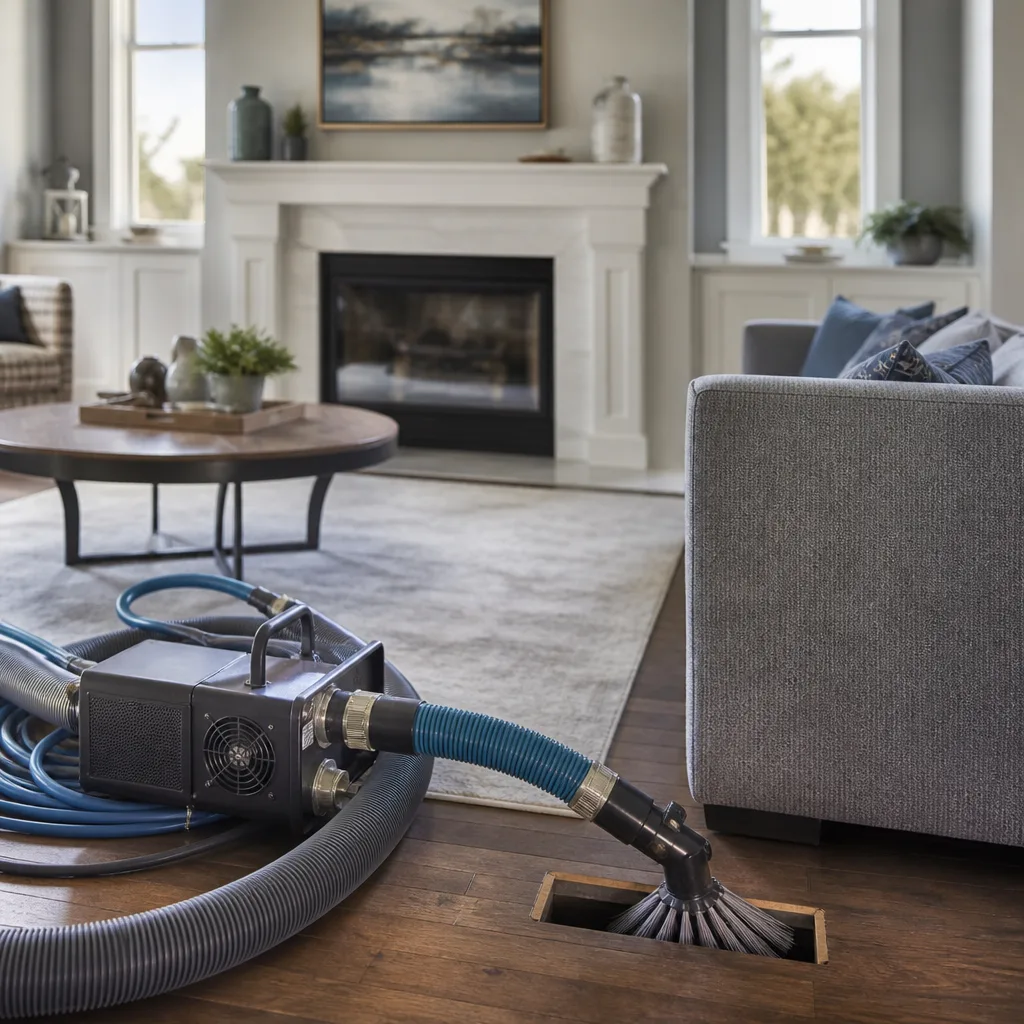 Whole-home duct cleaning
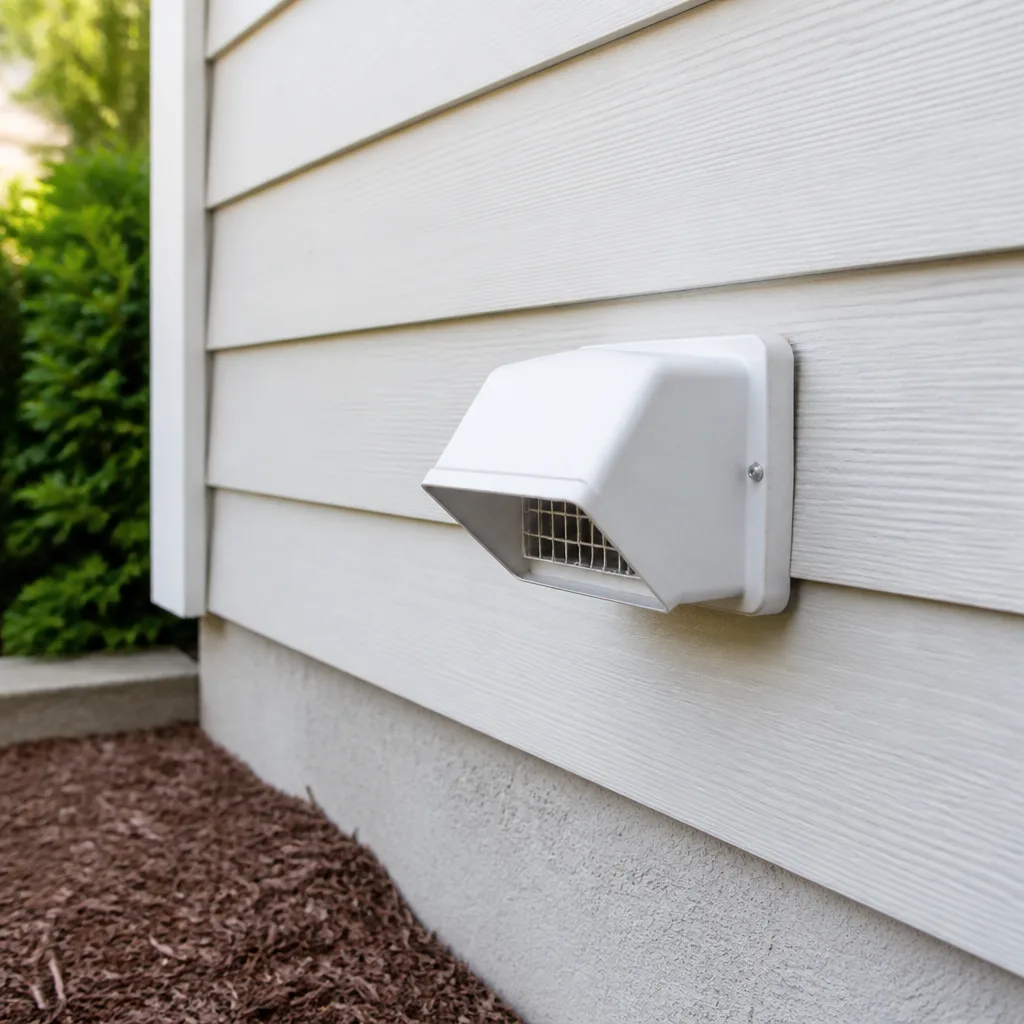 Dryer vent cleaning
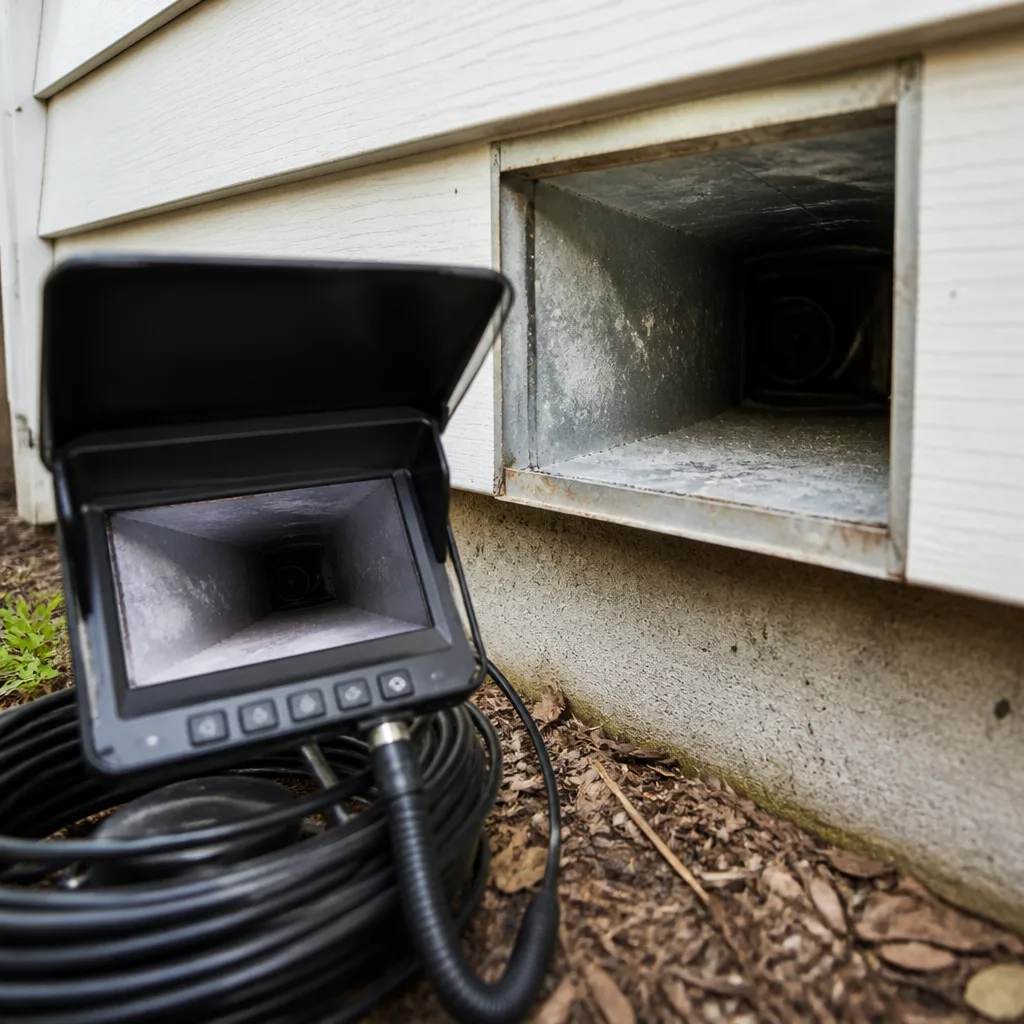 Camera inspection
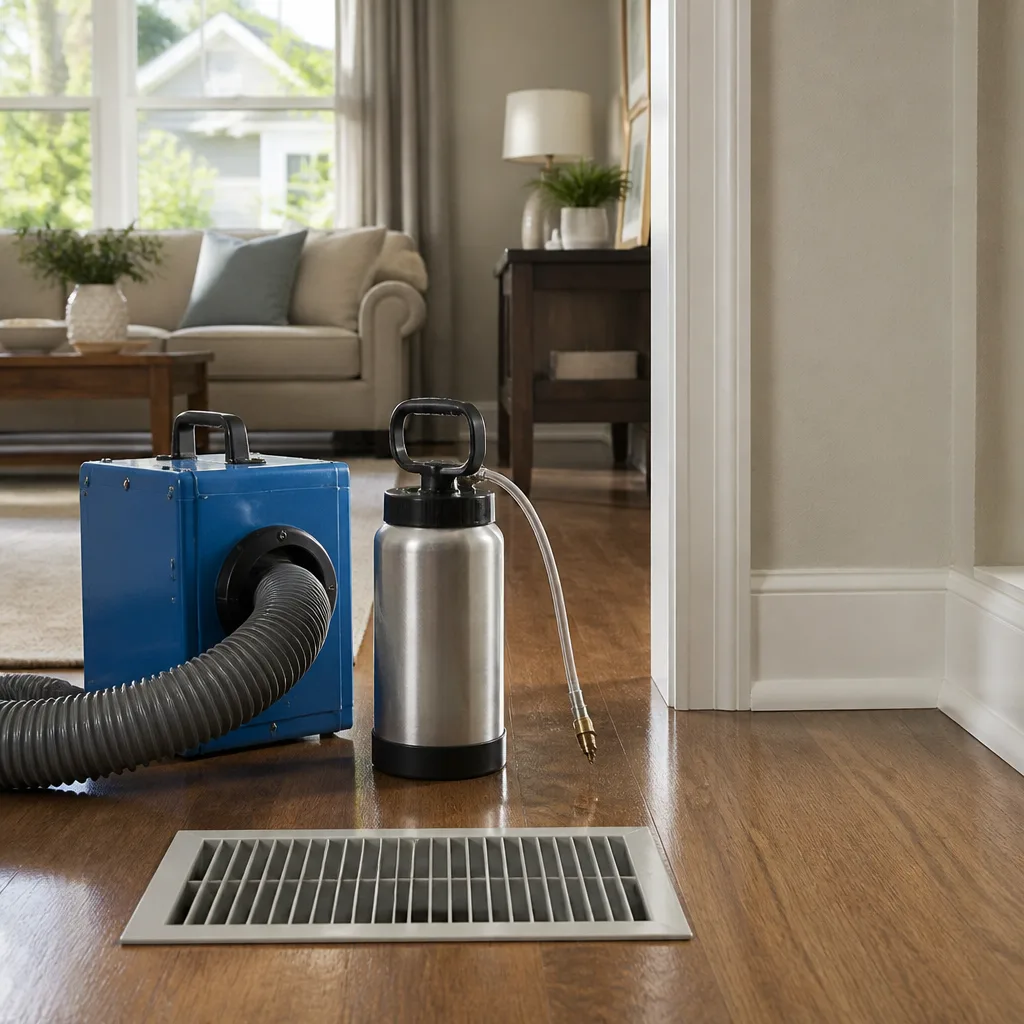 Sanitizing & deodorizing
Whole-system duct and dryer vent check with before-and-after photos - you see exactly what came out of your vents
That "$99 whole-house special" is a bait ad - the real number appears once they are in your hallway, or the "clean" is a shop-vac at the register. We photograph the inside of your ducts before and after instead.
How to Hire an Air Duct Cleaning Contractor in Co-op City: A Step-by-Step Guide
The offer that shows up first in your search results is often the one you should trust least. Whole-house duct cleaning advertised for a price that sounds too good to be true usually is, and the EPA has been warning consumers about exactly these “$99 whole-house” promotions for years. What makes Co-op City different is that a bad hire here isn’t just a wasted afternoon in a private home. It’s a contractor who didn’t clear building access, couldn’t move equipment through a high-rise corridor, or treated shared ventilation like it belonged to one apartment. This guide gives you a vetting framework tough enough to filter out the shop-vac operators before anyone reaches your lobby.
Quick Answer
To hire an air duct cleaning contractor in Co-op City, verify five things before you book: current NADCA certification, a certificate of liability insurance you can actually read, a real equipment list (rotary-brush machines and HEPA vacuums, not a shop vac), a written quote with line items instead of one teaser price, and proof the contractor has worked in cooperative buildings with board notification and elevator booking rules. Ask those five questions and most low-quality operators eliminate themselves.
Styles & brands we work with
- Whole-home duct cleaning
- Dryer vent cleaning
- Camera inspection
- Sanitizing & deodorizing
Table of Contents
- Why Co-op City Duct Cleaning Needs More Vetting Than Most
- The Five Credential Questions to Ask Before You Schedule
- How to Spot Bait-and-Switch Pricing Before You Book
- Co-op City Logistics: Board Rules, Elevators, and Equipment Access
- Real Professional Equipment vs. Renting and Improvising
- The First 20 Minutes: What to Watch For During the Job
- What Air Duct Cleaning Should Actually Cost in Co-op City
- What Happens After the Cleaning: Sealing and Air Quality
Why Co-op City Duct Cleaning Needs More Vetting Than Most
Co-op City is a cooperative, not a collection of standalone houses. That single fact changes almost everything about hiring someone to touch your ventilation. In a private home, the contractor’s only relationship is with the homeowner. In a co-op building, there’s a board, shared shafts and common areas, service-elevator scheduling, and neighbors whose air might share ductwork with yours depending on how the building was built.
So vetting a contractor in Co-op City means asking questions you might never think to ask in a suburb. Does the company know how to notify a board or management office before the job? Do their machines fit an elevator with padding, or will they be dragging a rig up stairwells and scraping walls? Do they understand that cleaning ducts in one apartment may involve components that physically serve more than one unit?
Add the housing itself. Co-op City’s high-rises run on mechanical ventilation systems that move a lot of air through shared components, and many apartments have baseboard heat or hydronic systems alongside central air. A contractor who only knows how to vacuum a run of flex duct in a single-family house may be out of their depth the moment they open your closet and find something else entirely.
None of this is exotic to a contractor who regularly works cooperative buildings. All of it is a wall for one who doesn’t. That’s the whole reason this guide exists: to move the vetting conversation earlier, from “the price looked good” to “the credentials check out.” If you’d rather read a shorter overview of the service first, our air duct cleaning page covers the basics.
The Five Credential Questions to Ask Before You Schedule
Ask these five questions on the phone, before anyone comes out. The answers tell you almost everything. A contractor who hesitates on any of them is telling you something useful, and you haven’t even unlocked the door yet.
- Are you currently NADCA certified? NADCA, the National Air Duct Cleaners Association, maintains a certification standard that includes the rotary-brush contact cleaning most professionals consider the baseline. Ask for the certification to be current, not expired, and verify it yourself through the association.
- Can you send me a certificate of liability insurance? Ask for the certificate by email before the appointment. A contractor who can’t produce one isn’t someone you want moving equipment through a co-op building. The local pro you end up hiring should be licensed and insured as their state requires.
- What equipment will you actually use in my unit? You’re listening for specifics: rotary-brush machines, HEPA-rated vacuums, air scrubbers for the fix-it-and-verify step. “We have professional equipment” is not an answer. A list of actual machines is.
- What exactly does the quote include? Total number of registers, the main trunk line, the air handler or furnace, sanitizing as a separate line, and any repair or sealing work. Get it in writing, per system, with the final price set by that written estimate rather than a phone figure that grows later.
- Have you worked in cooperative buildings like ours? Ask specifically about board notification, elevator reservations, and any building-specific rules about equipment transport. A contractor who has done this before will answer without pausing.
We ask these questions of ourselves when we scope a job. Our technicians have up to 10 years of experience, and in that time the same pattern holds: the contractors who can answer all five clearly are the ones whose work holds up.
How to Spot Bait-and-Switch Pricing Before You Book
The bait-and-switch model works on a specific trap. A very low advertised price gets a technician to your door. Once inside, a second pricing conversation begins: this cost extra, that wasn’t included, the vents outside the special were per-vent. By then you’ve taken a half day off, cleared the closet, and moved furniture. Most people pay.
You can usually spot the pattern in the ad or the quote language. Here’s what to watch for:
- A price without a scope. If a quote says “$X for duct cleaning” and never states how many vents, whether the main trunk is included, or whether the air handler is part of the job, you’re looking at a hook, not a price.
- The word “starting at.” Starting prices are designed to move once the technician is on-site. A legitimate estimate can say “starting at” in the sense of “we’ll quote your job in this range after we’ve seen it,” but the written estimate should set the actual number.
- Per-vent pricing. A flat per-vent rate lets the total balloon as the count of vents climbs. We don’t quote per vent. We quote per system, agreed before work begins, so the number on the invoice matches the number on the estimate.
- Sanitizing bundled invisibly. If sanitizing is folded into a single base price, you can’t tell whether it was actually performed. It should appear as a distinct line if it’s performed at all.
- Urgency in the ad copy. “This week only,” “limited time,” “call in the next hour.” Urgency is a sales tool, not a scheduling necessity for a maintenance job.
What should be true instead? One flat price per system, agreed before work starts. No per-vent math. Before-and-after photos of your own ducts so you can see what was there and what changed. A satisfaction guarantee in writing. When a contractor offers all of that, the low price on the competition’s ad looks a lot less interesting.
Co-op City Logistics: Board Rules, Elevators, and Equipment Access
This is the part of hiring that catches out-of-area contractors. Co-op City’s buildings have rules, and the rules matter because the equipment is heavy. A rotary-brush machine and a HEPA vacuum rig are not a box of tools you sling over your shoulder. They need a route, and that route usually goes through a service elevator.
Before you book, get answers to these logistics questions:
- What does your building require? Many co-op buildings want advance notification to the management office before a contractor arrives with equipment. Some want a certificate of insurance on file with the building. Ask your management office before you schedule, and confirm what the contractor will hand over.
- Is an elevator reservation needed? Service-elevator time often has to be reserved, and the elevator may need padding to protect the car. Confirm the window with your building and give it to the contractor so both sides plan around it.
- How will equipment get from the elevator to your unit? Corridors, thresholds, and doorways all matter. A contractor who has worked in Co-op City buildings will already know how to protect flooring and walls on the way through.
- Who takes the trash out? Expect bags of debris. Confirm where in the building it can be disposed of, since the rules are different from a house with a curb.
- Is the air handler in a closet, and is that closet accessible? Get to it and clear the floor before the appointment. If it’s blocked by storage, the job can’t proceed as scoped.
None of this is difficult, but it’s easy to skip. Skipping it is how a job turns into a rescheduled visit and a frustrated morning. When we quote air duct cleaning for a Co-op City co-op building, the logistics conversation comes first.
Real Professional Equipment vs. Renting and Improvising
The equipment question is where you separate a real duct cleaner from someone with a vacuum and a ladder. It’s also the question most homeowners can’t judge, because both types of contractor will say “professional equipment.” Here’s how to judge the claim.
Professional air duct cleaning relies on two pieces working together: something that mechanically loosens debris from the duct walls, and something that captures that debris before it can settle back into your living space. A shop vac does neither at the required scale. A rotary-brush system does the loosening. A HEPA-rated vacuum connected to the duct system does the capturing.
- Rotobrush systems use a rotary brush that moves through the ductwork and physically contacts the duct walls, which is the method most standards-level duct cleaning assumes. Ask whether the contractor owns one, or rents it, or uses something else.
- HEPA vacuums like a Nikro rig are rated to capture fine particles rather than blowing them back into the room. This is the single biggest practical difference between a real job and a cosmetic one.
- Air scrubbers such as Abatement Technologies units are deployed during and after cleaning for air-quality control. They’re also how a contractor confirms the air quality after the work, not just before it.
- System familiarity matters too. Aprilaire and Honeywell components show up in a huge share of residential HVAC installations, and a contractor who knows them can work around a whole-home air-quality system rather than disconnecting it.
If you want the full-service version of this process, including HVAC cleaning of the components around your ductwork, one contractor handling all of it saves you coordinating multiple visits. And the same equipment logic applies to dryer vent cleaning, where lint buildup is a fire risk and not just a performance issue.
The First 20 Minutes: What to Watch For During the Job
You’ve vetted, you’ve booked, the technician is at the door. The first 20 minutes tell you whether you hired well. What you’re watching for is a setup process, not a sales pitch.
A legitimate technician arrives and does the following, usually in this order:
- Walks the job before starting. They want to see the air handler, the registers, and the duct runs before touching a machine. That’s the moment when hidden issues, like detached flex duct or a disconnected run, get found and discussed.
- Sets up protection. Floor covering, corner guards, and a clear work zone. In a co-op corridor, protection matters twice over because the building is shared.
- Connects the vacuum and checks it’s drawing. The capture equipment gets connected to the duct system and confirmed to be pulling before any brush moves.
- Explains the scope. They should tell you which registers and returns are being cleaned, and note anything outside scope so there are no surprises later.
What you should not see: a technician who walks in, attaches a hose, and spends five minutes at each vent without looking at the air handler. Or one who starts a price conversation after unpacking, or asks to upsell sanitizing before any cleaning has happened. A crew that sells before it works is usually a crew that intends to inflate.
The finish should include a walkthrough. You should see the before-and-after condition of at least the visible duct areas, and you should get a clear account of what was found. Sealing work, if it was part of the job, should be explained in terms of what was sealed and why.
What Air Duct Cleaning Should Actually Cost in Co-op City
Realistic numbers beat any ad. Here’s how to think about pricing in Co-op City apartment terms, as estimated ranges and never a promise, with the written estimate setting the final number.
- Standard apartment cleaning (ducts, registers, air handler): typically the base job. The price depends on the number of registers and the complexity of the duct runs, not on a per-vent multiplier.
- System with multiple air handlers or zone dampers: typically higher, because more components are being cleaned and more time is involved.
- Duct repair and sealing: priced separately based on how much of the duct system needs resealing, which is usually discovered during the cleaning.
- Sanitizing step: a distinct line item, priced on its own, not folded into the base cleaning.
- Air quality and scrubbing: priced based on the system size and the number of units being served.
What shouldn’t happen: a low teaser figure that becomes a much larger invoice after the technician sees the job. One flat price per system, agreed before work begins, is the standard we quote against. If the number on the final invoice doesn’t match the written estimate, that’s a problem with the contractor, not with you.
One more thing to check: the written estimate should distinguish cleaning from sanitizing and from any repair work. If those are all piled into one number, ask for them separated. It makes the price comparison between contractors possible, and it makes sure you know what you’re paying for.
What Happens After the Cleaning: Sealing and Air Quality
The job doesn’t end when the brush stops moving. Two follow-up steps make the difference between a cleaning and a lasting result: sealing and verification.
Sealing. Cleaning removes what’s in the ducts today. Sealing addresses what will let debris back in tomorrow. Loose joints, disconnected runs, and gaps around boots and registers let unfiltered air and dust move into the system. An inspection is worth doing at the same time as the cleaning, because a contractor is already inside the system looking at it. Repair and sealing work is a specific service, and it should be quoted as such.
Verification and air quality. The sanitizing and air-scrubbing phase is where air scrubbing equipment earns its keep. An air scrubber moving air through filters after the cleaning helps confirm that the air quality is where it should be. If a contractor treats “cleaning” and “sanitizing” as the same word, that’s a sign they don’t separate the two phases. They’re different steps with different equipment.
Finally, confirm the walkthrough. You should leave the job with a clear record of what was cleaned, what was sealed, and what was sanitized. If the contractor offered before-and-after photos, review them. If they didn’t, ask for them next time. It’s the difference between trusting the contractor and seeing the result.
Common Mistakes to Avoid
- Booking off the price alone. The ad price is the tool, not the offer. Book off credentials, and confirm the estimate in writing before anyone comes out.
- Skipping the insurance check. Getting a certificate of insurance in your hands before the appointment is a two-minute email that saves you a real risk. If it doesn’t arrive, you didn’t book anyone.
- Forgetting to notify the building. In a co-op, the management office may want advance notice and may want the contractor’s insurance on file. Do that before you schedule, not on arrival day.
- Not reserving elevator time. A service elevator that isn’t reserved for equipment means the job stops in the hallway. Ask what’s needed and reserve the window.
- Assuming a shop vac is a professional vacuum. It’s not, and the difference is visible in the first 20 minutes. Ask for the equipment list in advance.
- Accepting a bundled “cleaning plus sanitizing” number. You can’t verify a phase you can’t see on the invoice. Ask for a separate line.
- Letting the price discussion move after the technician is inside. If the number changes on-site, stop. The written estimate is the agreement.
See the difference
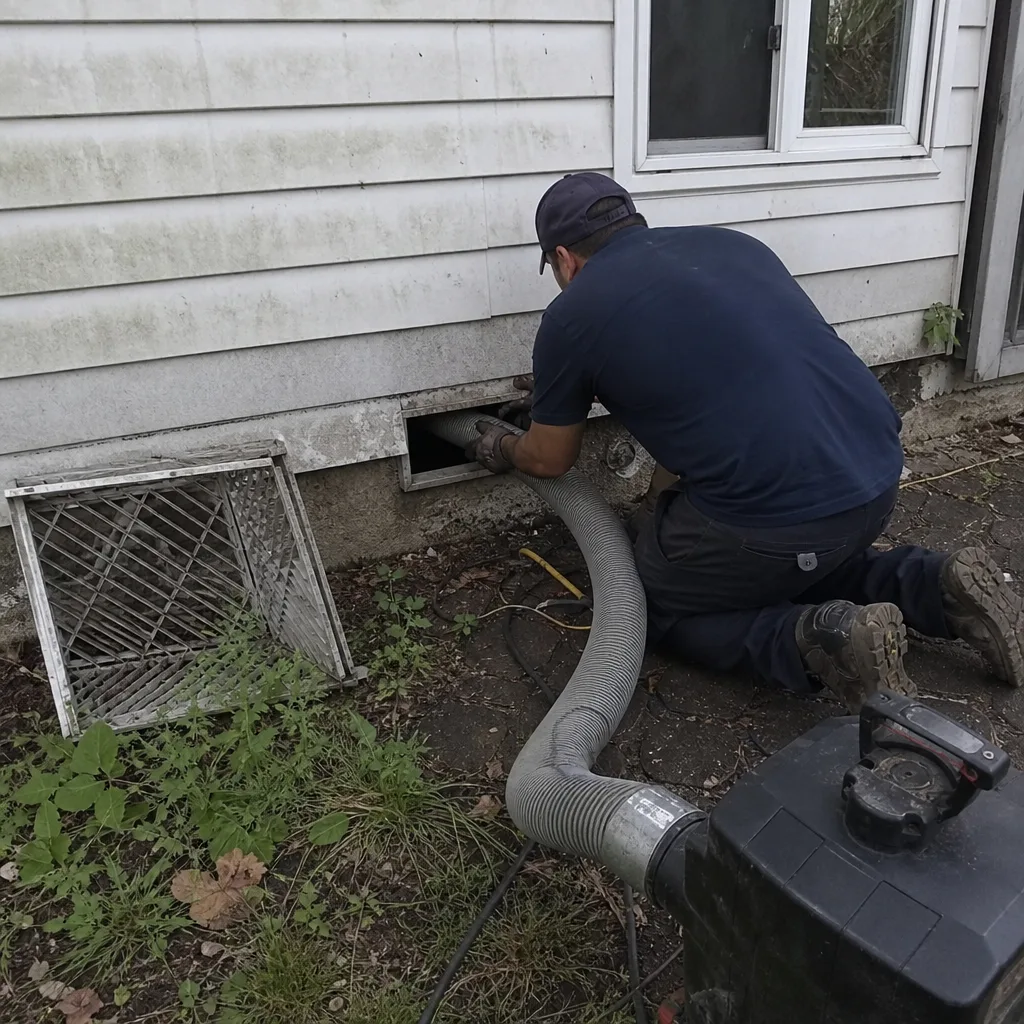 Before
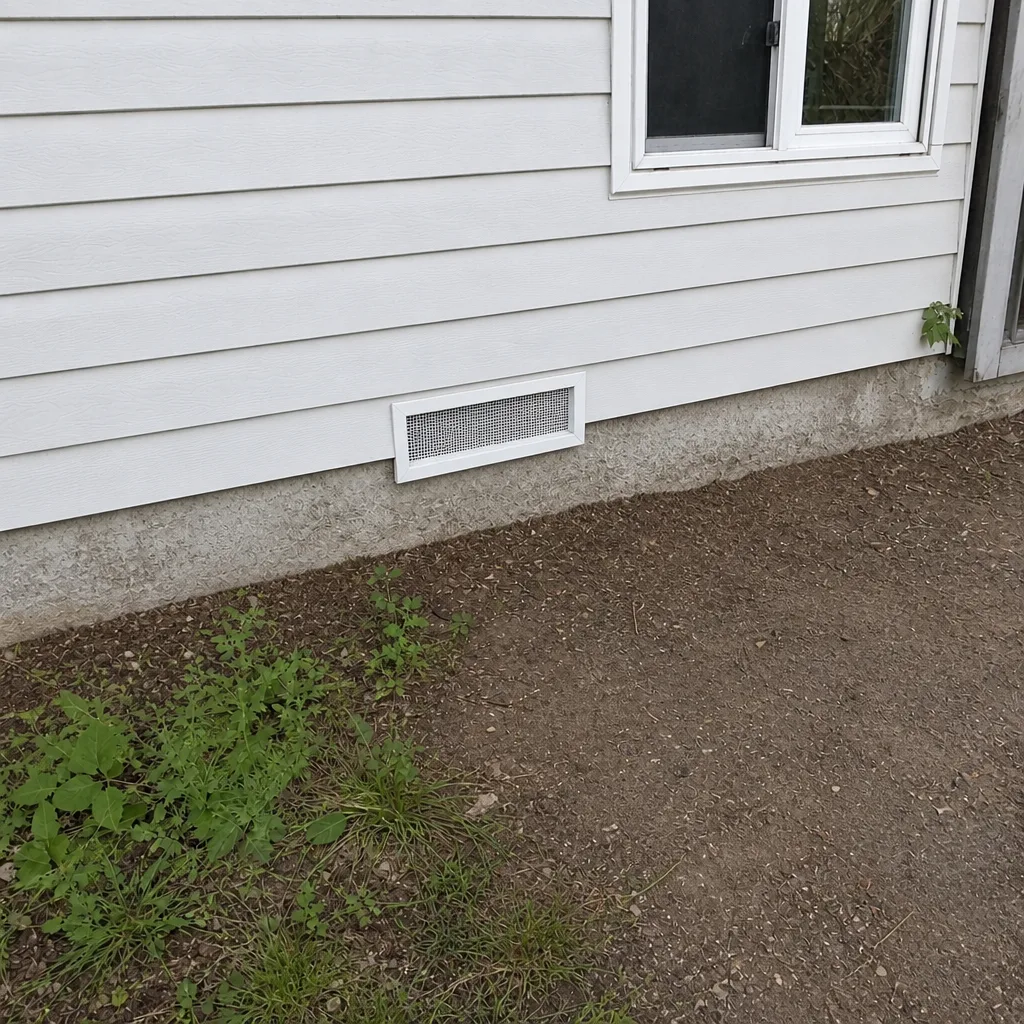 After
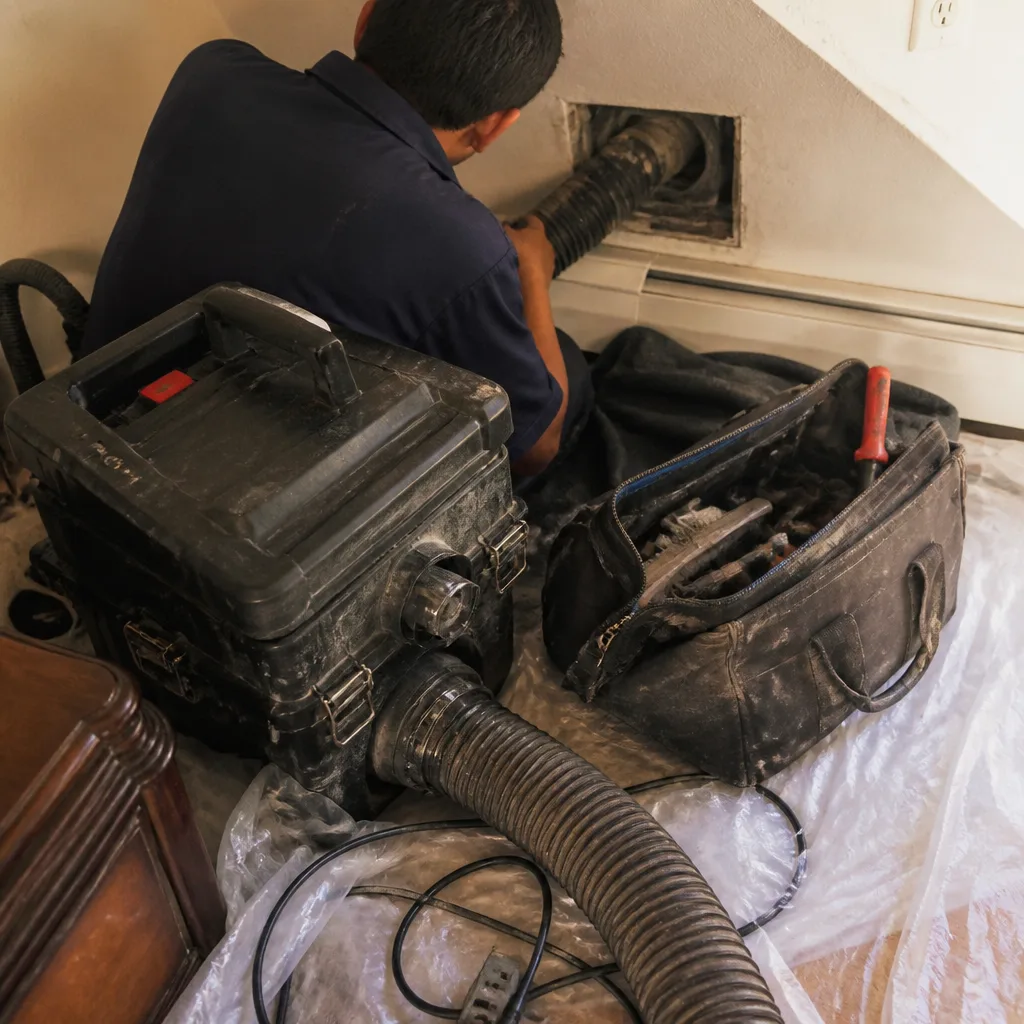 Before
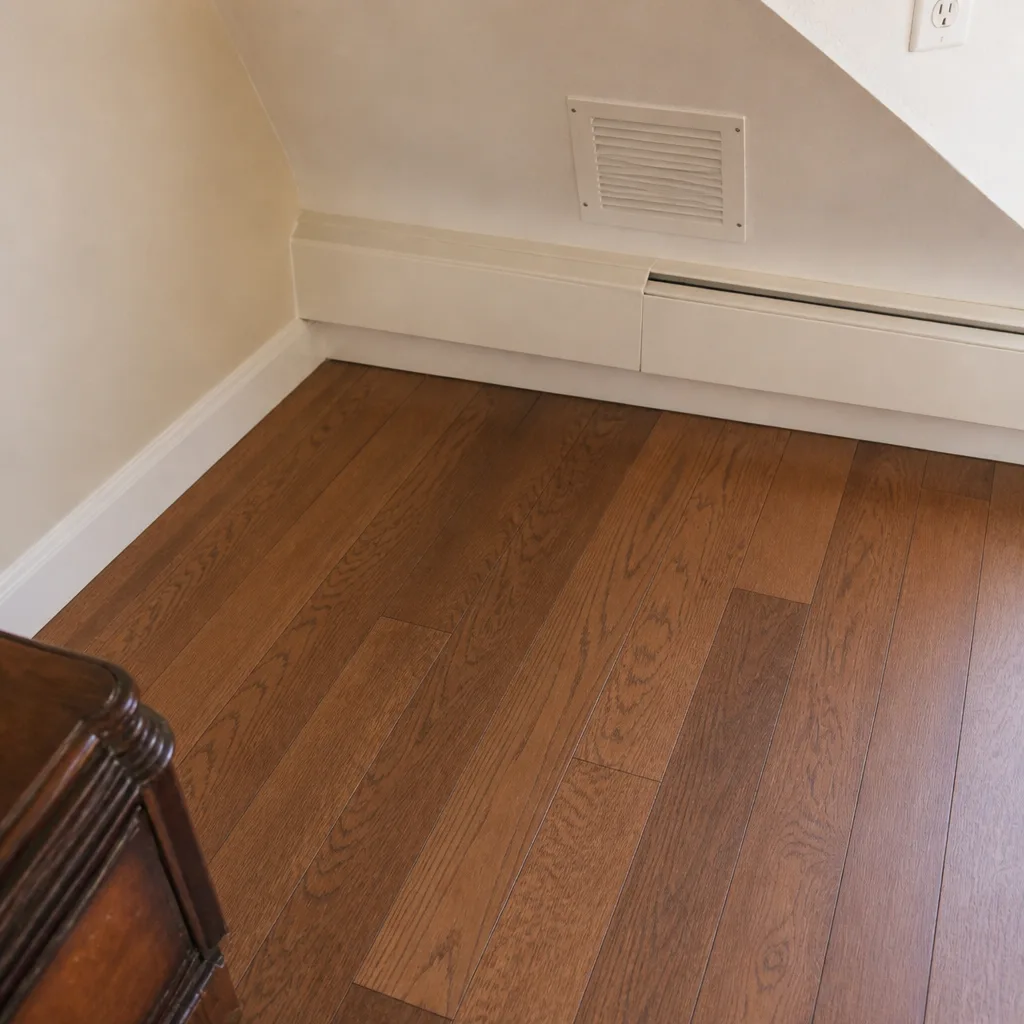 After
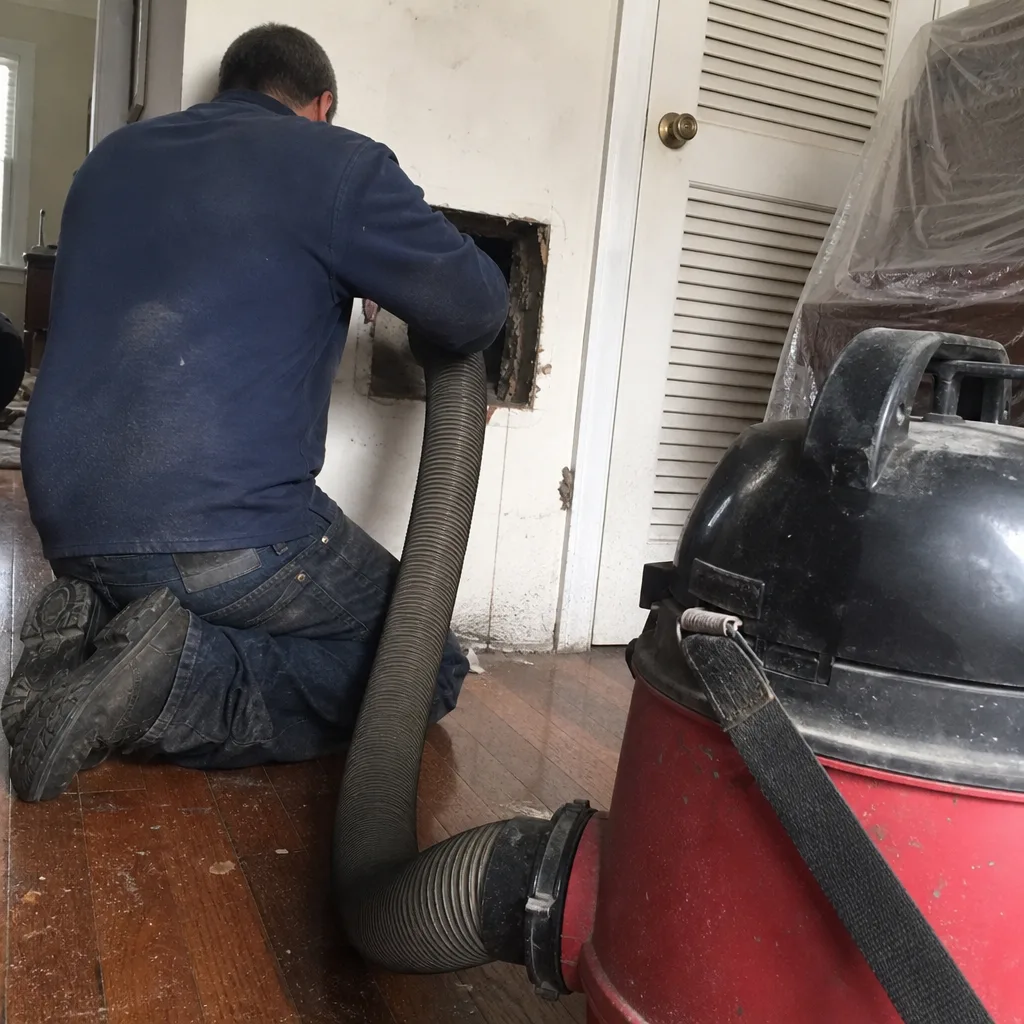 Before
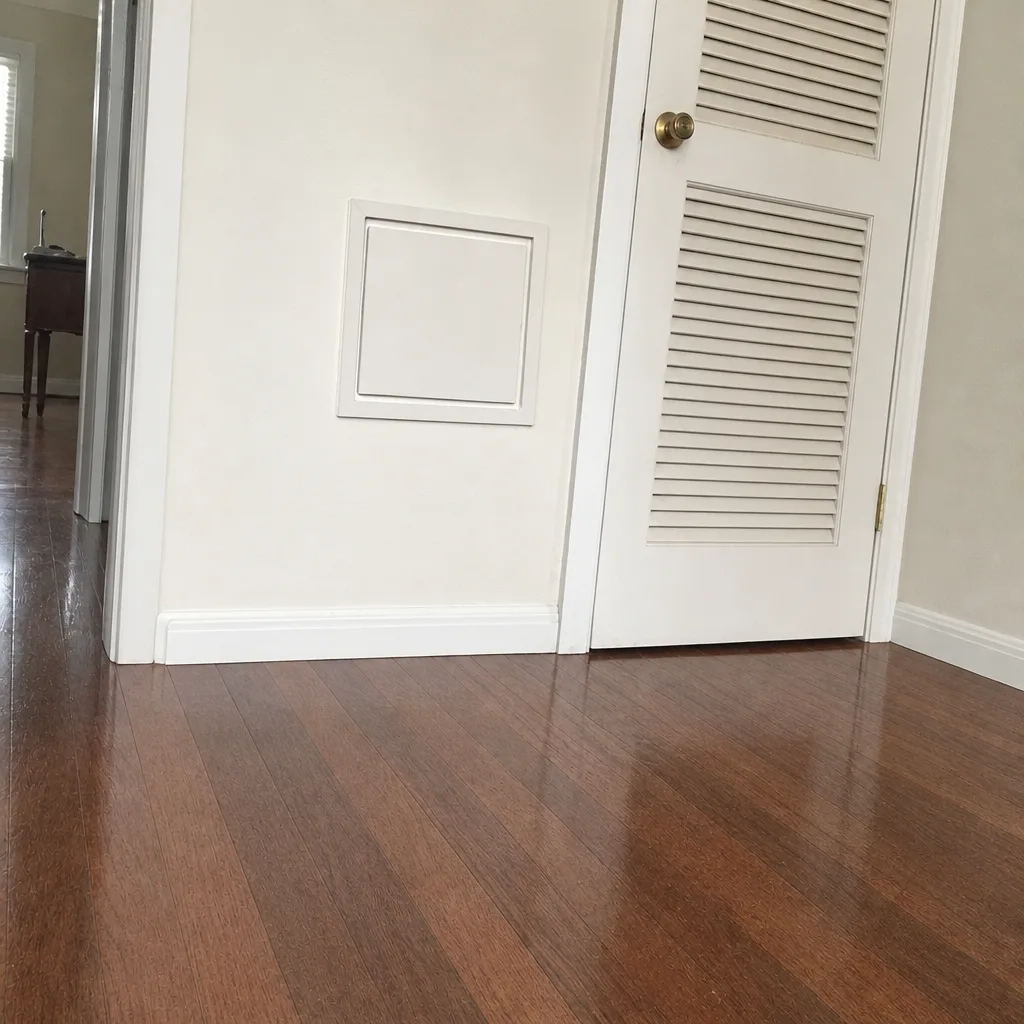 After
When to Call a Professional
Some duct conditions are a known maintenance task, and some are a sign that something has gone wrong. Call a professional when you notice a musty smell that returns after you clean the visible vents, when a family member with allergies or asthma gets worse indoors than outdoors, when you see visible dust collecting around a register, or when you hear a rattle or hiss from a duct run that suggests a disconnected joint. Call when the last duct cleaning was long enough ago that you can’t remember, or when a new-to-you apartment has no record of one. Call when you’re buying or selling and want the system verified. And call if your building is scheduling anything that requires the ducts to be in good shape.
Air Duct Cleaning Co-op City offers free estimates in Co-op City. Call (844) 443-4901. We answer 24/7. Fast dispatch from 7am to 7pm, Sunday through Friday.
Frequently Asked Questions
For most Co-op City apartments, the cost falls within a typical estimated range for a standard system, driven by the number of registers and the complexity of the runs. Sanitizing, sealing, and air-quality work are separate line items. The written estimate sets the final price, and you’ll get it before any work begins. Call (844) 443-4901 for an exact quote. Estimates are free.
Cheaper quotes are usually tied to a narrower scope, less equipment, or bait pricing that assumes an on-site upsell. A quote that doesn’t state the number of registers, the air handler, and the line items for sanitizing and sealing is comparing itself to nothing. Ask for a written scope and compare scopes, not just numbers. Call (844) 443-4901 for an estimate with the scope in writing.
You know because you saw it: pre- and post-cleaning photos of your own ducts, a technician who walked the job before starting, and a final walkthrough that explains what was cleaned and sealed. A crew that skips the set-up and the walkthrough is a crew you should question. Call (844) 443-4901 for an estimate and ask about documentation up front.
Most homes don’t need annual duct cleaning; a multi-year interval is typical, and the right interval depends on how much dust, pet hair, or renovation debris the system sees. If someone in your household has asthma or allergies, or if you can’t remember the last cleaning, it’s worth scheduling. Call (844) 443-4901 for an estimate.
Many co-op buildings want advance notice to the management office and may want the contractor’s certificate of insurance on file before the visit. Ask your management office what the building requires, and confirm the contractor can provide it. Doing that before you schedule avoids a stalled arrival day. Call (844) 443-4901 for an estimate.
Yes, but the logistics need to be planned first: equipment transport, service-elevator reservations, floor and wall protection in corridors, and debris disposal. A contractor who has worked cooperative buildings will answer these questions without hesitation. If they hesitate, book someone else.
The Bottom Line
Hiring a duct cleaner in Co-op City comes down to filtering out the shop-vac operators before they reach your building. Ask the five credential questions: NADCA certification, liability insurance, equipment list, written scope, and cooperative-building experience. Watch for bait pricing language before you book. Handle the building logistics, including board notification and elevator reservations, before the appointment. Then watch the first 20 minutes, and judge what you see. If the contractor passes, you’ll have a job with a flat price, before-and-after photos, and a satisfaction guarantee. If they don’t pass, you’ll have saved yourself a rescheduled morning.
For a cleaner, more accurate read on Air Duct Cleaning Co-op City, start with a free estimate. Call (844) 443-4901. We answer 24/7. Fast dispatch from 7am to 7pm, Sunday through Friday.
Written by the team at Air Duct Cleaning Co-op City.