
Last updated November 25, 2026
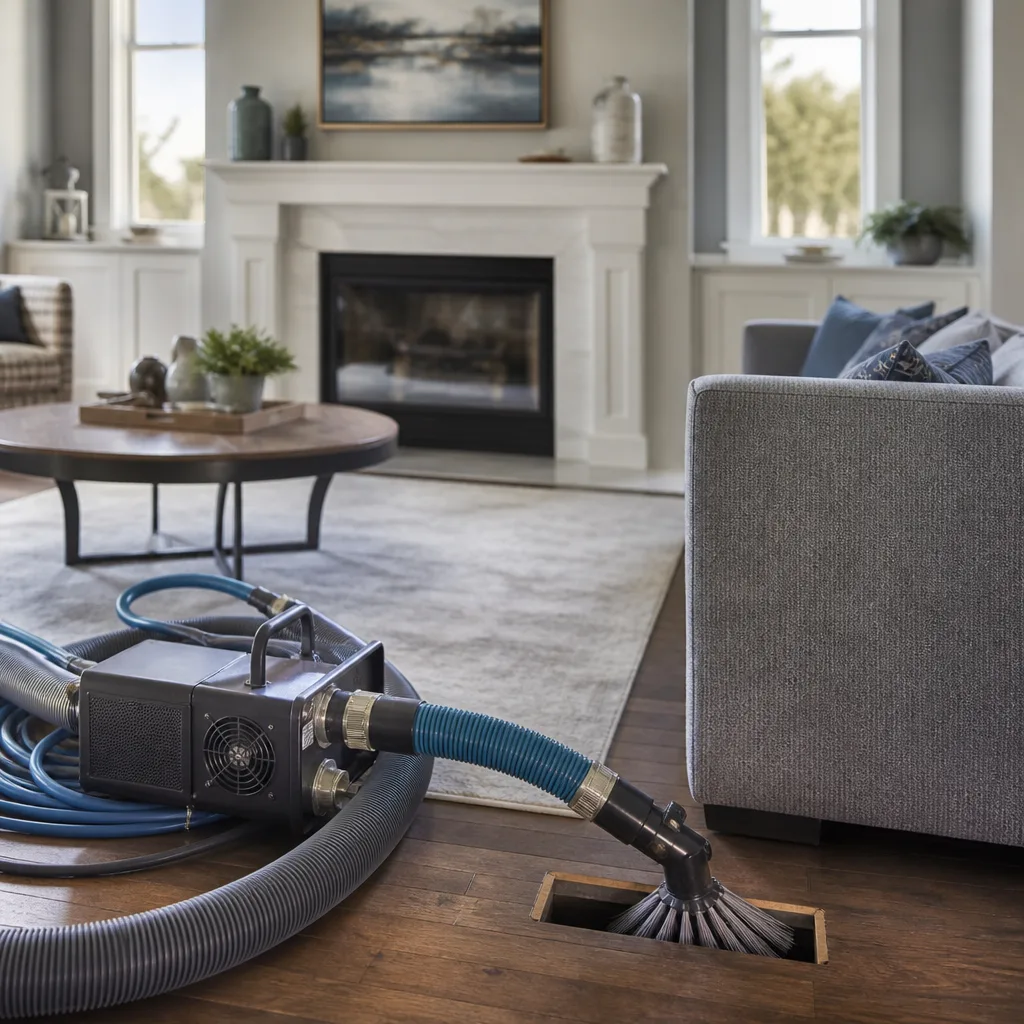 Whole-home duct cleaning
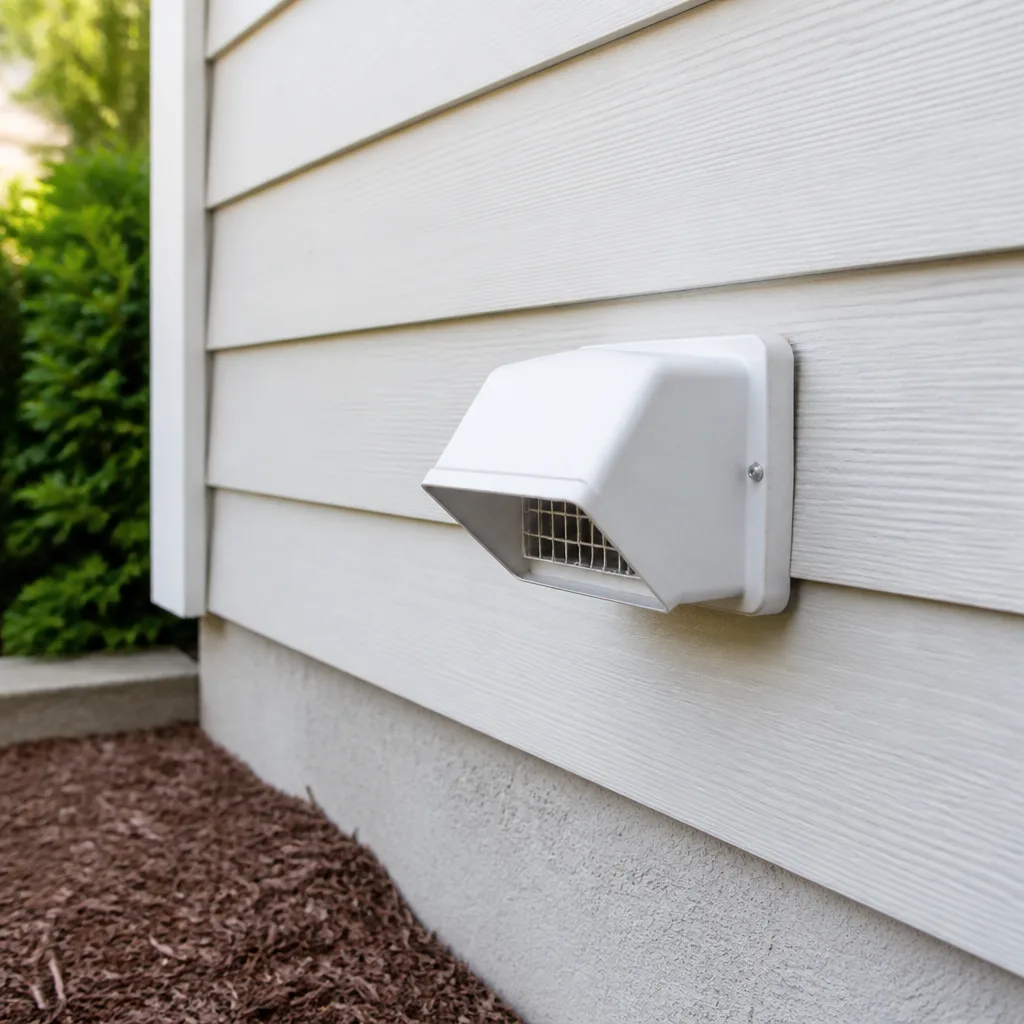 Dryer vent cleaning
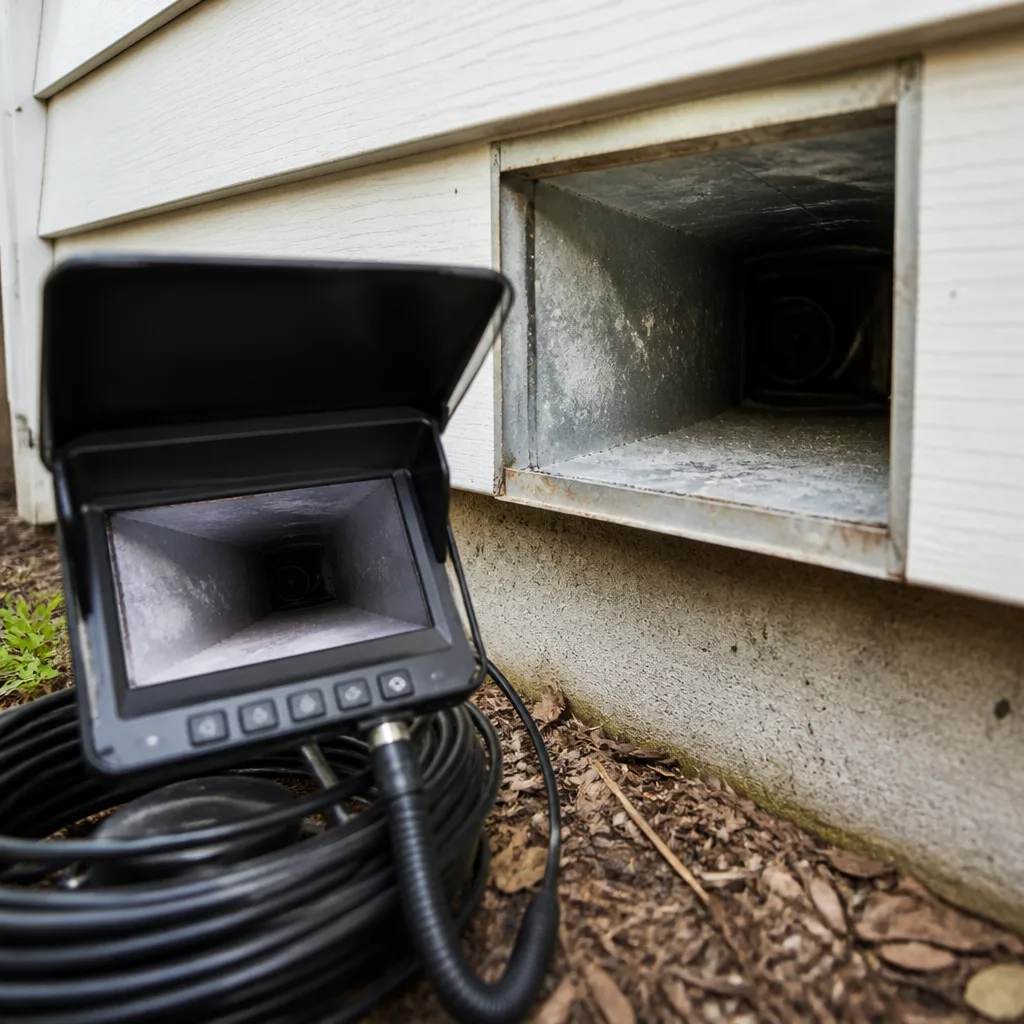 Camera inspection
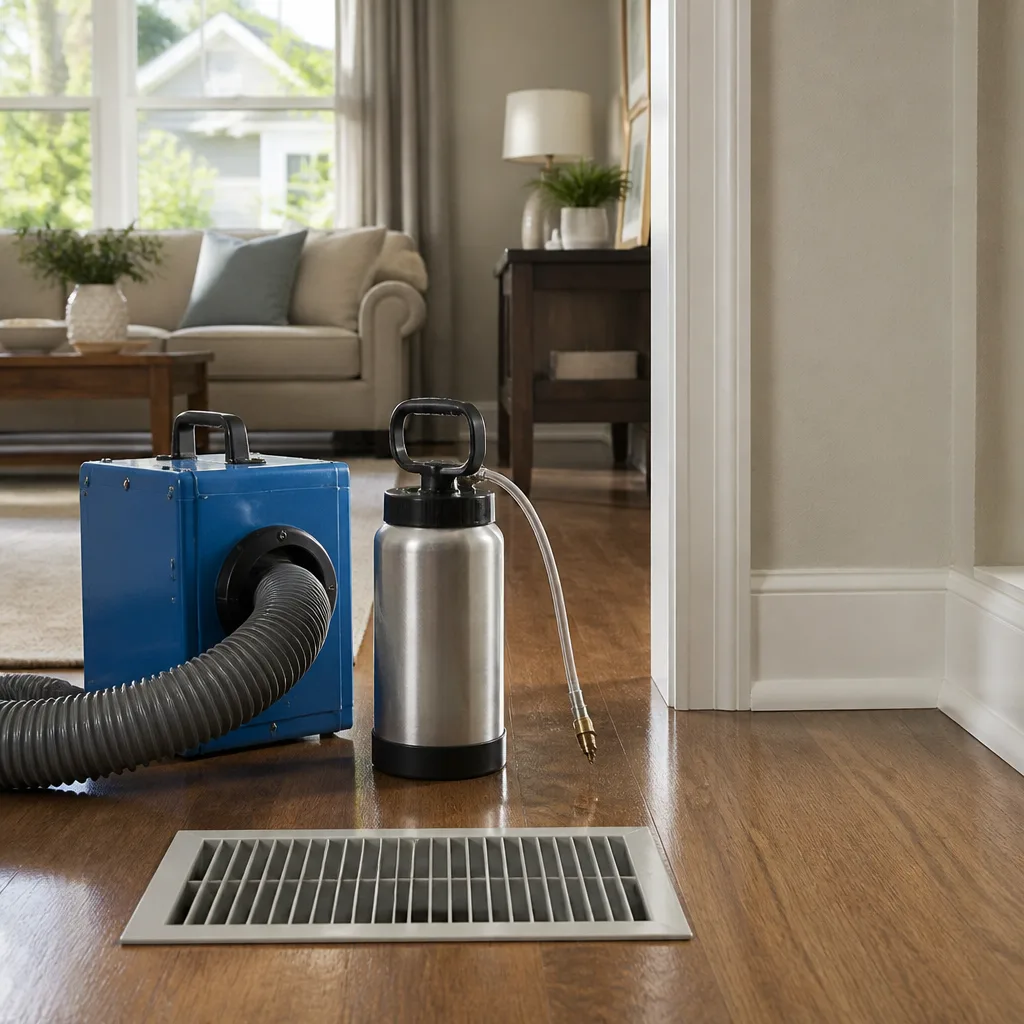 Sanitizing & deodorizing
Whole-system duct and dryer vent check with before-and-after photos - you see exactly what came out of your vents
That "$99 whole-house special" is a bait ad - the real number appears once they are in your hallway, or the "clean" is a shop-vac at the register. We photograph the inside of your ducts before and after instead.
Seasonal Air Duct Cleaning Care for Co-op City: Year-Round Homeowner’s Guide
Most duct-cleaning advice tells you to schedule one cleaning a year and forget about it. That advice was written for a house on a quiet suburban lot, not for a high-rise apartment in Co-op City sitting downwind of I-95 and the Hutchinson River Parkway. In these buildings, the air your HVAC system moves changes character four times a year: spring brings post-heating dust, summer raises humidity inside idle duct runs, fall is your window to clean before the boilers fire, and winter dries out the air and glues debris to sheet metal. This guide walks through what each season actually demands, which work needs professional equipment like Rotobrush and Nikro, and which you can handle with a filter change and a flashlight.
Quick Answer
In Co-op City, air ducts need a professional cleaning roughly once every one to three years depending on household allergies and building maintenance cycles, but the timing matters as much as the frequency. The best window for a full cleaning is early fall, before heating season starts, and a lighter assessment in spring after the radiators and baseboard heat have run all winter. Filter upgrades you can do yourself; rotary-brush and HEPA-vacuum work you cannot.
Styles & brands we work with
- Whole-home duct cleaning
- Dryer vent cleaning
- Camera inspection
- Sanitizing & deodorizing
Table of Contents
- Why Co-op City Ducts Age Differently
- Spring: The Post-Heating-Season Assessment
- Summer: Humidity, Idle Ducts, and Early Mold
- Fall: Clean Before the Boilers Fire
- Winter: Filter Checks and Dry-Air Debris
- Syncing With Building-Wide Maintenance
- What You Can Do vs. What Needs a Pro
- Common Mistakes to Avoid
Why Co-op City Ducts Age Differently
Co-op City isn’t a single building. It’s a collection of high-rise co-ops spread across a stretch of the northeast Bronx, and each one pulls outdoor air through its own intake and moves it through a shared HVAC system that serves dozens of units. That setup matters for your ducts because the debris that reaches your apartment may have entered the building hundreds of feet away, months before you noticed anything.
Two things make Co-op City duct loads heavier than what a generic cleaning schedule assumes. First, the location: I-95 and the Hutchinson River Parkway run directly upwind of the complex during the prevailing northwest winter winds, and consistent traffic corridors like those are the single largest source of fine particulate matter that settles into HVAC intakes. Second, the housing type: high-rise co-op buildings recirculate a percentage of interior air through shared systems, so dust, pollen, and combustion byproducts don’t just pass through your unit – they can settle in duct interiors that serve several units at once.
In our experience, the practical result is that Co-op City residents should think about their ducts more often than a homeowner in a detached suburban house, not less. The ducts are working harder because the system is shared and the incoming air carries more. That’s the foundation for everything below.
Spring: The Post-Heating-Season Assessment
By the time the heat shuts off in April or May, your duct interiors have been pushing warm air for months. That air is drier and hotter than what the system sees in summer, and the effect on debris is real: dry heat causes particles to lose whatever slight adhesion they once had and re-suspend as fine dust, then settle again in a new layer when the blower stops. That’s why spring is the season when you actually assess what accumulated over the winter.
Here’s what spring looks like in a Co-op City apartment:
- Pull the return-air grille. A screwdriver is usually enough. Look at the metal behind it – if you see a visible dust mat on the duct wall or the grille face is coated in gray fuzz, the system is overdue.
- Check the supply registers in every room. A light dusting on the louvers is normal. Streaking, dark patches, or visible debris coming out of the fin gaps means the duct run itself is loaded.
- Note your allergy symptoms. If spring pollen season hits harder inside than out, that’s a signal – a professional cleaning with a Nikro HEPA system captures what a household vacuum just stirs up again.
Spring is also the right time to schedule a full air duct cleaning before the cooling season begins, because the system is about to switch modes entirely. A Rotobrush rotary-brush pass in April or May clears winter accumulation before the AC starts pulling humid summer air across it.
Summer: Humidity, Idle Ducts, and Early Mold
Summer is when duct problems get worse quietly. On the hottest weeks, Co-op City’s cooling demand pulls humid outdoor air into the system, and when that air passes through ducts that have been sitting at cooler temperatures, the moisture can condense on metal. In a single-family house this dries out eventually. In a high-rise co-op with limited airflow through some duct runs, condensation can persist long enough to become a problem.
Mold in ducts doesn’t always announce itself. What to watch for:
- Musty, wet-cardboard smell when the system runs, especially on the first cool day after a humid stretch.
- Visible dark speckling or green-black patches on the inside of a return grille or the duct wall behind it.
- Condensation on the exterior of ductwork in a closet or utility chase.
- A sudden uptick in allergy symptoms for someone in the household who was fine in spring.
If you find any of these, cleaning alone isn’t the full answer – the system needs to be cleaned and then sanitized as a separate, verifiable phase. Guardsman antimicrobial treatment does that work, and it’s a step we never bundle invisibly into base pricing, because treating “cleaning” and “sanitizing” as the same job is how a lot of low-bid companies hide their real cost.
If your search history includes the phrase “mold in air ducts” you’re in good company. It’s one of the most common questions we get from Co-op City residents in July and August.
Fall: Clean Before the Boilers Fire
Fall is, for most Co-op City households, the best time of year to schedule a thorough cleaning. The reasoning is straightforward: you want duct interiors clean before the building’s heating season begins, so the first weeks of warmed air don’t immediately carry a fresh dust layer through the apartment. Once boilers activate and radiators or baseboard units run continuously, the debris you didn’t clear in October becomes part of your daily air for the next six months.
Here’s the realistic fall sequence:
- Late September: Schedule your professional cleaning. This gets it done before the building’s maintenance window crowds up.
- Early October: Replace HVAC filters at every filter location. Order the next set of replacements at the same time so winter checks are quick.
- Mid-October: Have any torn or disconnected duct sections sealed. Fall is when a HVAC cleaning makes the most sense as a combined visit, because you’re cleaning the whole system, not just the visible vents.
- Late October: Confirm with building management that your apartment’s HVAC is ready for the transition to heating mode, and ask about any building-wide maintenance timing.
Fall filter upgrades are also worth considering in a Co-op City unit. If someone in the household has asthma or allergies, moving to a MERV-rated filter that your system can handle – without over-restricting airflow – is a cheap upgrade that pays for itself in the run-up to heating season.
Winter: Filter Checks and Dry-Air Debris
Winter is when duct advice tends to go quiet, and that’s a mistake. Dry, heated air does something specific to duct interiors: it reduces the humidity inside the system, and dry particles lose adhesion. Dust that’s been sitting quietly on a duct wall since October re-suspends when the blower cycles, which means your midwinter air quality can actually be worse than your fall air quality even though nothing new entered the system.
What winter calls for:
- Filter checks every 30 to 60 days. Heating season pushes more air through the same filter at a higher temperature. Filters load faster in winter than in spring.
- Grille wipe-downs. A quick pass with a dry microfiber cloth on return and supply grilles keeps the surface from becoming a re-suspension point.
- Watch for new smells. A dry, dusty smell at fan start in the coldest weeks is a signal the duct interiors need attention even if you cleaned in fall – because the air is moving differently.
Winter is not the right season for a full duct cleaning in an older building with ongoing heating, most of the time. It’s the season for observation and filter discipline. You’re gathering information for the spring assessment.
Syncing With Building-Wide Maintenance
Co-op City’s shared infrastructure means apartment-level maintenance and building-level maintenance are tangled together. When management announces a water shutdown, boiler inspection, or HVAC service window, that’s also your cue to schedule any duct work that requires shutting down your unit’s air handler or blocking a return.
The practical steps:
- Read every management notice for HVAC references. Boiler inspections, riser maintenance, and filter change schedules at the building level all affect when your apartment’s system is safe to work on.
- Book your cleaning one to two weeks after a building maintenance window closes. That gives the building’s systems time to stabilize before you assess your own ducts.
- Coordinate with neighbors if your building has shared returns. A full Air Duct Cleaning Co-op City project on a shared-return unit works best when management knows the schedule.
- Keep a simple maintenance log. Date of cleaning, filter change dates, any issues observed. It helps you and it helps building management understand what’s happening inside individual units.
When we clean a Co-op City apartment, we always ask what building maintenance is scheduled for the next 60 days. It changes what we do and when.
What You Can Do vs. What Needs a Pro
Not every seasonal task requires a professional visit. Here’s the honest breakdown:
- You can do: filter replacement, grille wipe-downs, visual inspections of the return-air plenum, checking for smells and condensation.
- You should call: any visible debris in duct runs, mold or mildew growth inside a duct, torn or disconnected sections, sanitizing work, and full HVAC cleaning that involves the air handler and coil.
- You cannot do: rotary-brush cleaning of duct interiors, HEPA-rated collection, antimicrobial sanitizing, or sealing access points inside the system.
The equipment is what separates the two lists. Rotobrush contact-cleaning systems are the same rotary-brush technology NADCA standards specify for duct interiors, and Nikro HEPA-rated vacuums capture dislodged particulate instead of recirculating it into the living space. Neither is available at a home-improvement store, and neither is a substitute for the other – you need the brush to dislodge and the HEPA capture to keep it from ending up in your bedroom.
If your dryer vent is part of your seasonal maintenance checklist, that’s a safety call, not a cleaning call. Lint buildup in a vent run is a fire risk, and dryer vent cleaning should be scheduled whenever the run hasn’t been cleared in a year or more.
Common Mistakes to Avoid
- Cleaning once a year and assuming that’s enough. A Co-op City apartment has a different dust load than a suburban house. Some households need a cleaning every 18 months, others closer to three years – allergy status and building maintenance drive the answer.
- Ignoring the building-wide maintenance schedule. Booking work the week of a boiler inspection wastes a visit. Check with management before you schedule.
- Swapping in a high-MERV filter the system can’t handle. Over-restricting airflow strains the blower and can hurt your air quality rather than help it. Match the filter to what the system was designed for.
- Treating “cleaning” and “sanitizing” as the same service. They’re different phases. A company that quotes one price and calls it both is usually skipping the sanitizing step.
- Cleaning in mid-July to save on the calendar. Unless you found visible mold, fall is the better timing. Cleaning before heating season means a clean system meets the biggest dust-load months of the year.
- Skipping the dryer vent every spring. Dryer vents clog year-round. A quick check at the outside vent cap each spring catches the buildup before it becomes a risk.
- Accepting a per-vent price. Per-vent pricing is how a low coupon turns into a much larger invoice. A whole-system cleaning is priced as a whole system.
See the difference
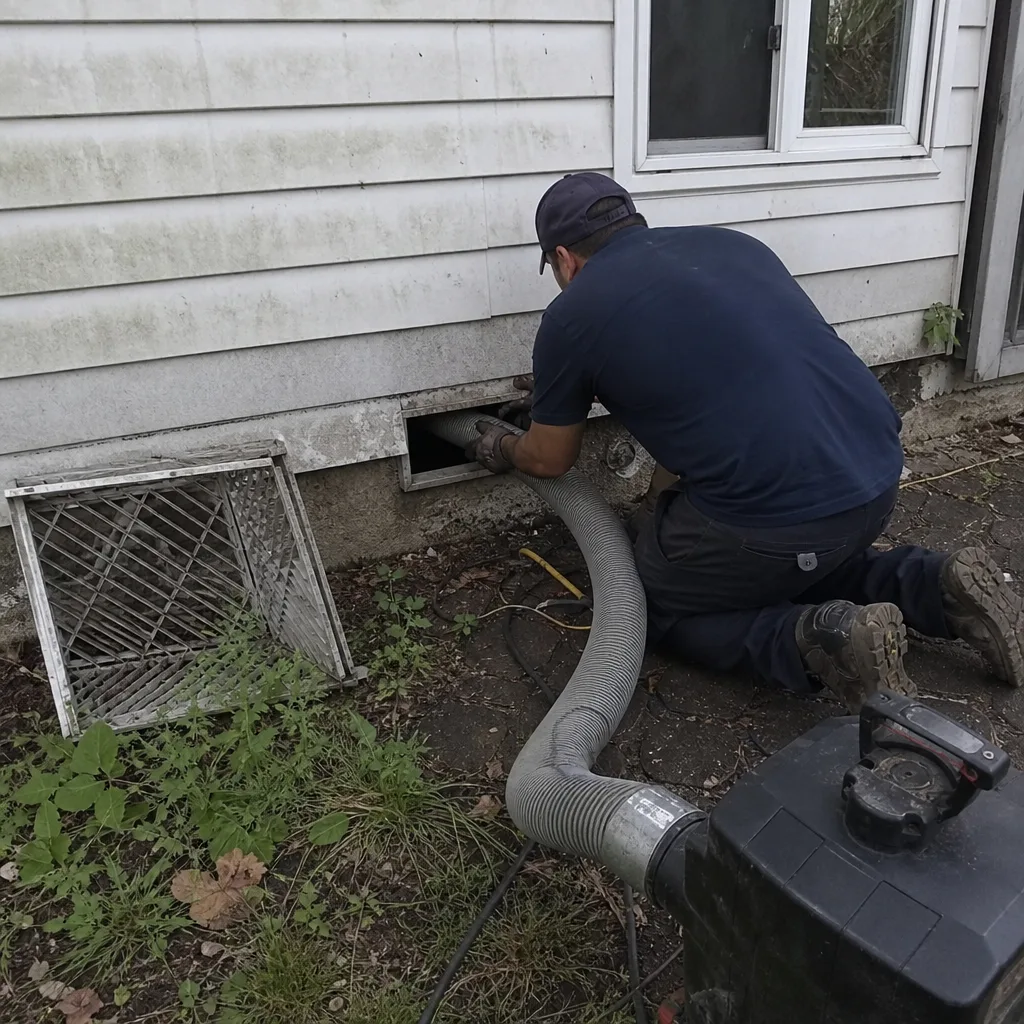 Before
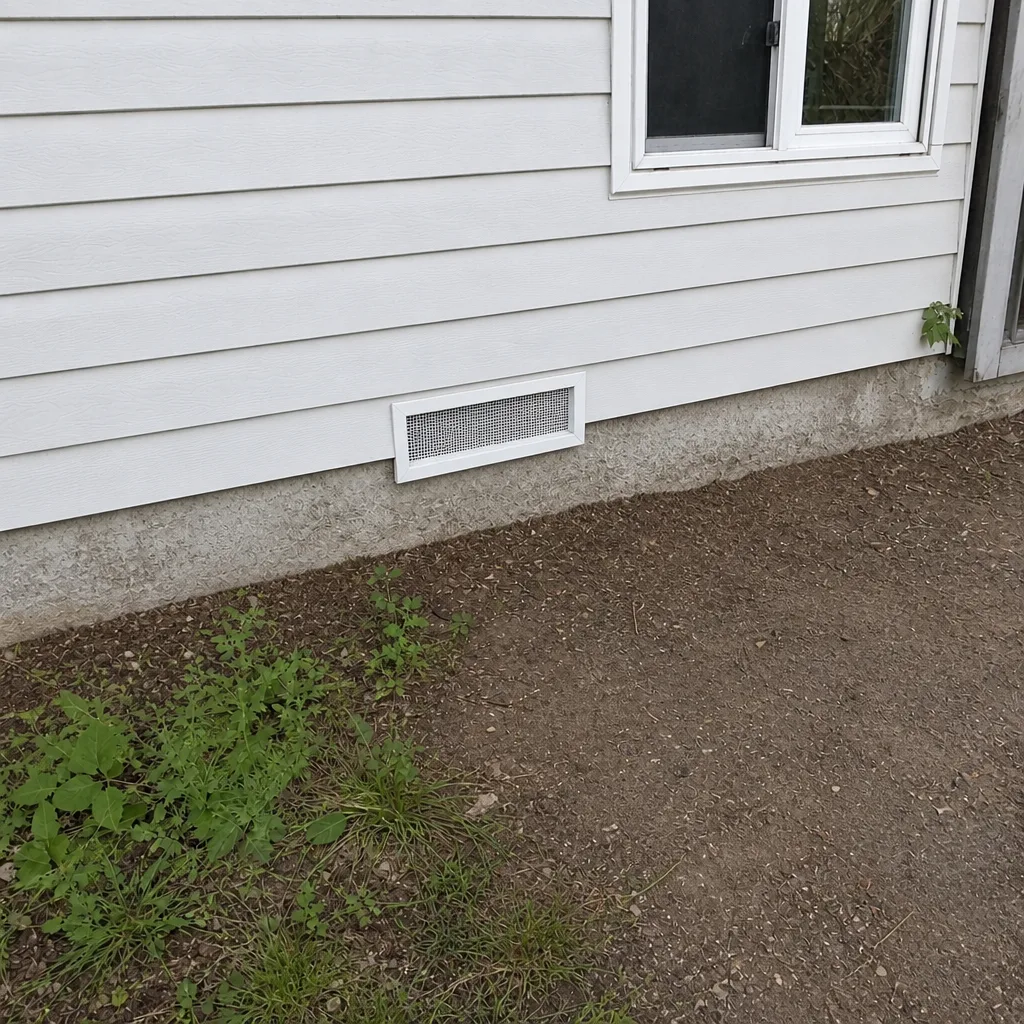 After
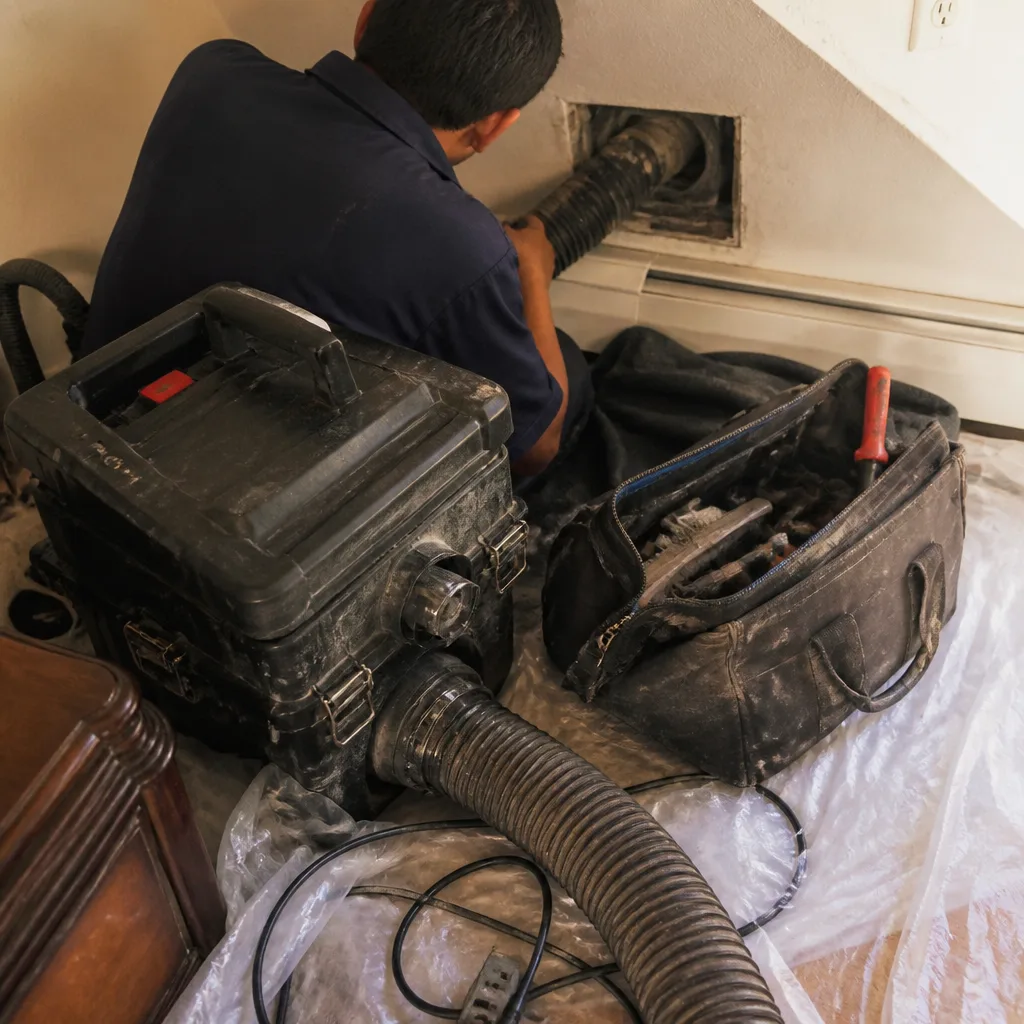 Before
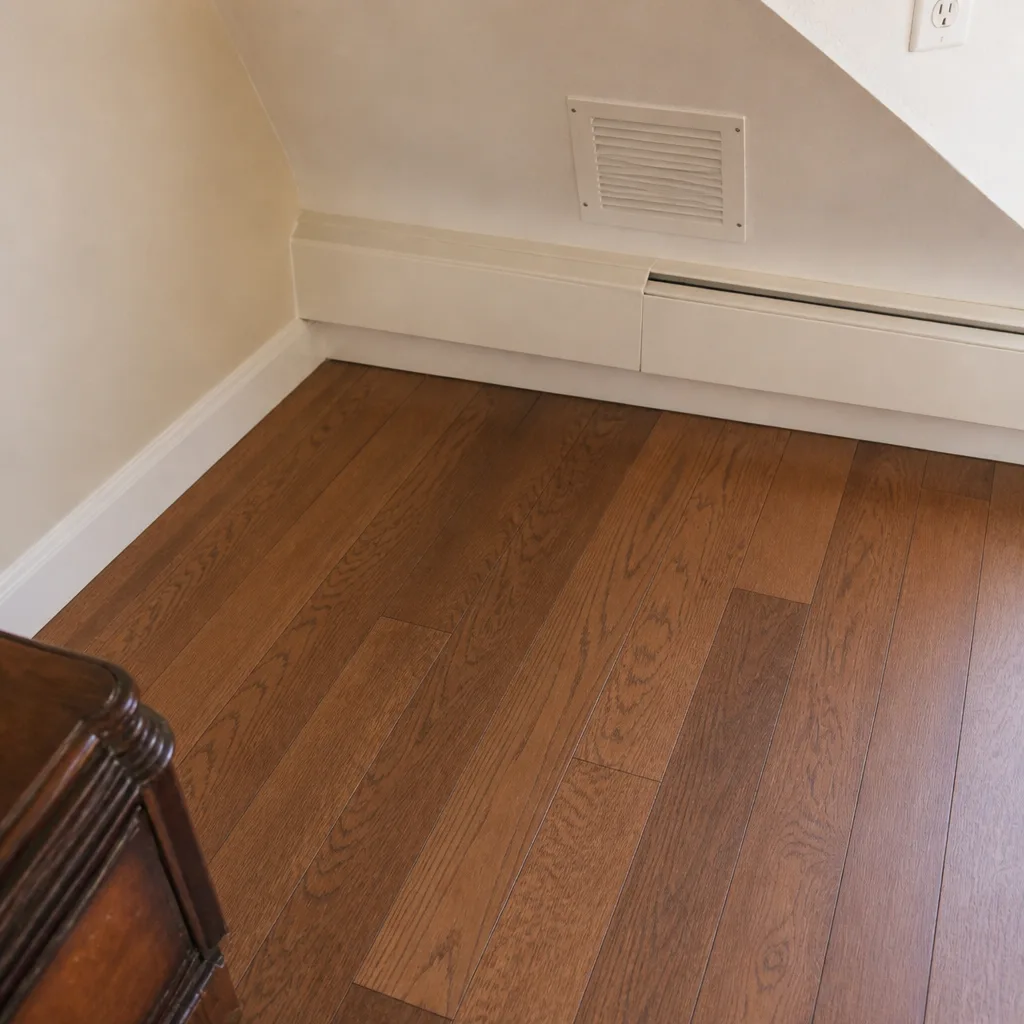 After
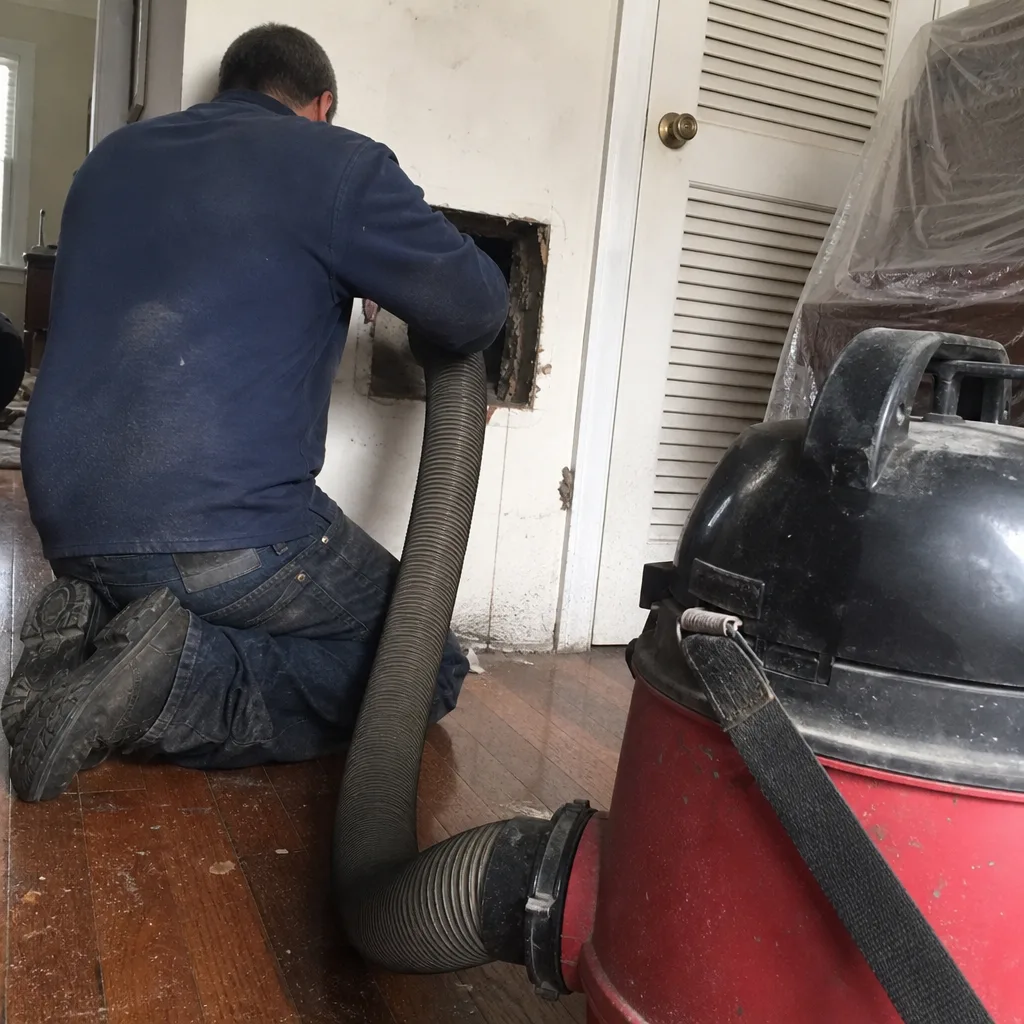 Before
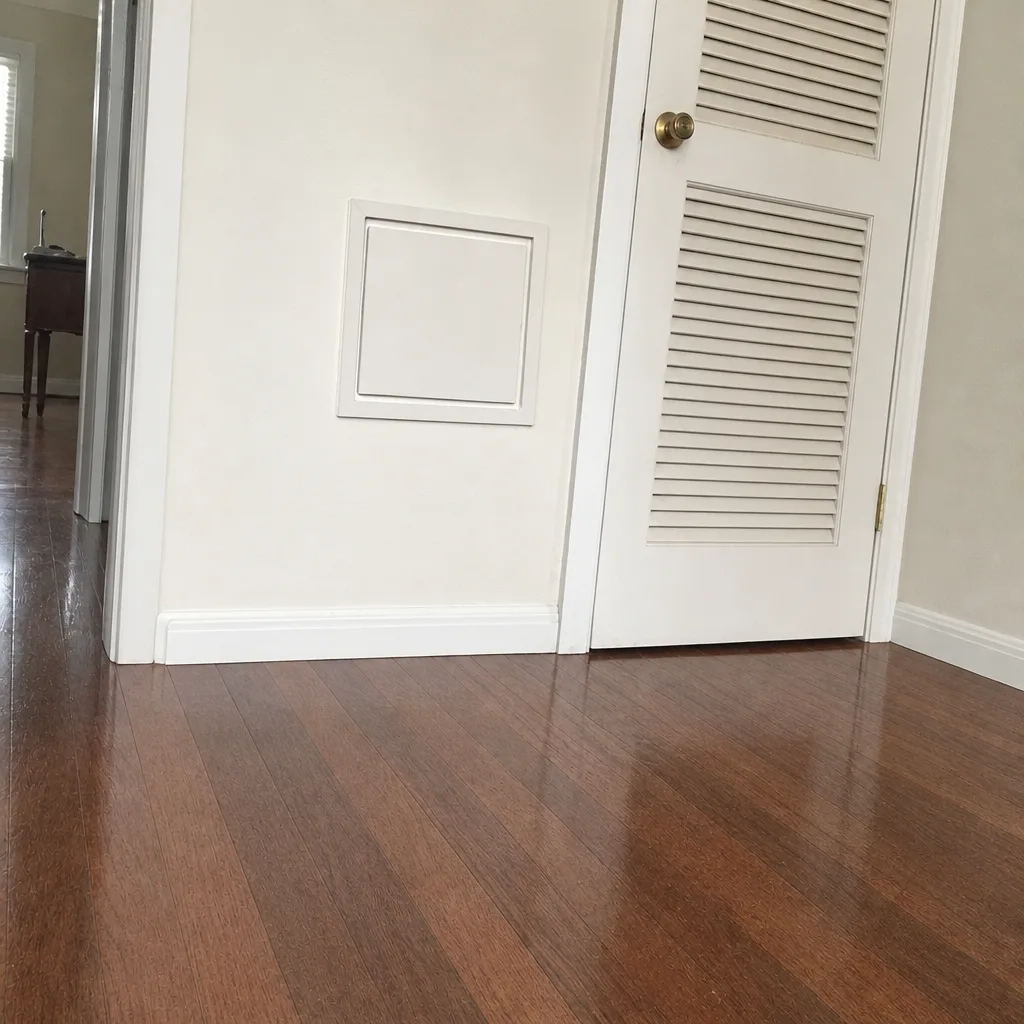 After
When to Call a Professional
Call a professional immediately if you see visible mold inside a duct, if debris actually blows out of a supply register when the system runs, if a duct section is torn or disconnected, or if a household member with asthma or respiratory sensitivity notices symptoms tied to the system cycling on. Also call if your ducts haven’t been cleaned in three years or more – the visual inspection you do yourself will only catch what’s near the grille. Air Duct Cleaning Co-op City offers free estimates in Co-op City. The estimate is written, the price is per job, and before-and-after photos of your own duct interiors are part of what you get. Call (844) 443-4901. We answer 24/7. Fast dispatch from 7am to 7pm, Sunday through Friday.
Frequently Asked Questions
Every one to three years, depending on household allergies, smoking, pets, and how recently the building did any HVAC maintenance. A Co-op City apartment in a high-rise with shared returns tends toward the shorter end of that range because the incoming air carries a heavier particulate load than a suburban single-family house. If you have an asthmatic or allergic household member, lean toward the shorter end. Call (844) 443-4901 for an exact quote – estimates are free.
Fall, ideally late September or early October, before the building activates its heating boilers. Cleaning before heating season means the first warmed air of the winter passes through clean duct interiors instead of whatever accumulated over the summer. Spring is a reasonable second choice if you missed fall and want the work done before AC season. Call (844) 443-4901 to book an estimate around a fall or spring window.
The estimate is set per job and depends on the number of systems and duct runs in your apartment, not on a per-vent count. We don’t quote a teaser coupon figure and then build up from there – the written estimate is the final price. Why some quotes come in much cheaper: they’re quoting a single-vent cleaning with a shop vacuum and calling it a whole-system job. Call (844) 443-4901 for a free estimate you can compare directly against those cheaper quotes.
Yes. An idle duct run in a Co-op City apartment can stay cooler than surrounding air, and in a humid summer the moisture in that air condenses on the metal. If the condensation sits long enough, it becomes a breeding surface for microbial growth. That’s why summer inspection is a real seasonal step, not just advice to run the AC. If you find mold, the fix is cleaning followed by Guardsman antimicrobial sanitizing – two separate phases. Call (844) 443-4901 to schedule an inspection.
Cleaning removes physical debris – dust, pollen, construction residue – from duct interiors using rotary-brush and HEPA-vacuum equipment. Sanitizing treats the interior surfaces against microbial contamination after cleaning, and it’s a distinct phase with its own equipment and its own cost line. A company that says sanitizing is included in cleaning usually isn’t doing it. We quote sanitizing as a separate step so you know what you’re paying for. Call (844) 443-4901 for a combined cleaning-and-sanitizing estimate.
Ask for before-and-after photos of your own duct interiors, not stock photos from a company’s website. A verifiable cleaning also includes some indication of what was extracted – Nikro HEPA equipment collects what comes out of the ducts, so there’s physical evidence of the work, not just a handle turned and a bill handed over. If your technician doesn’t offer photos before you ask, that’s a signal. Call (844) 443-4901 – our written estimate and before-and-after documentation are part of the standard visit.
The Bottom Line
Seasonal duct care in Co-op City follows a specific rhythm. Spring is assessment – pull the grille and see what winter left behind. Summer is humidity watch – look for condensation and mold before they spread, and sanitize as a separate phase if you find either. Fall is the ideal cleaning window, booked ahead of heating season. Winter is filter discipline and observation. Sync all of it to your building’s maintenance schedule, keep a simple log, and upgrade filters when the system can handle it. When the work needs professional equipment – Rotobrush brushes, Nikro HEPA capture, Abatement Technologies air scrubbing – book it and ask for photos of your own ducts. Clean ducts, sealed ducts, tested air. That’s the sequence, and it changes with each season.
Written by the team at Air Duct Cleaning Co-op City.