
Last updated November 25, 2026
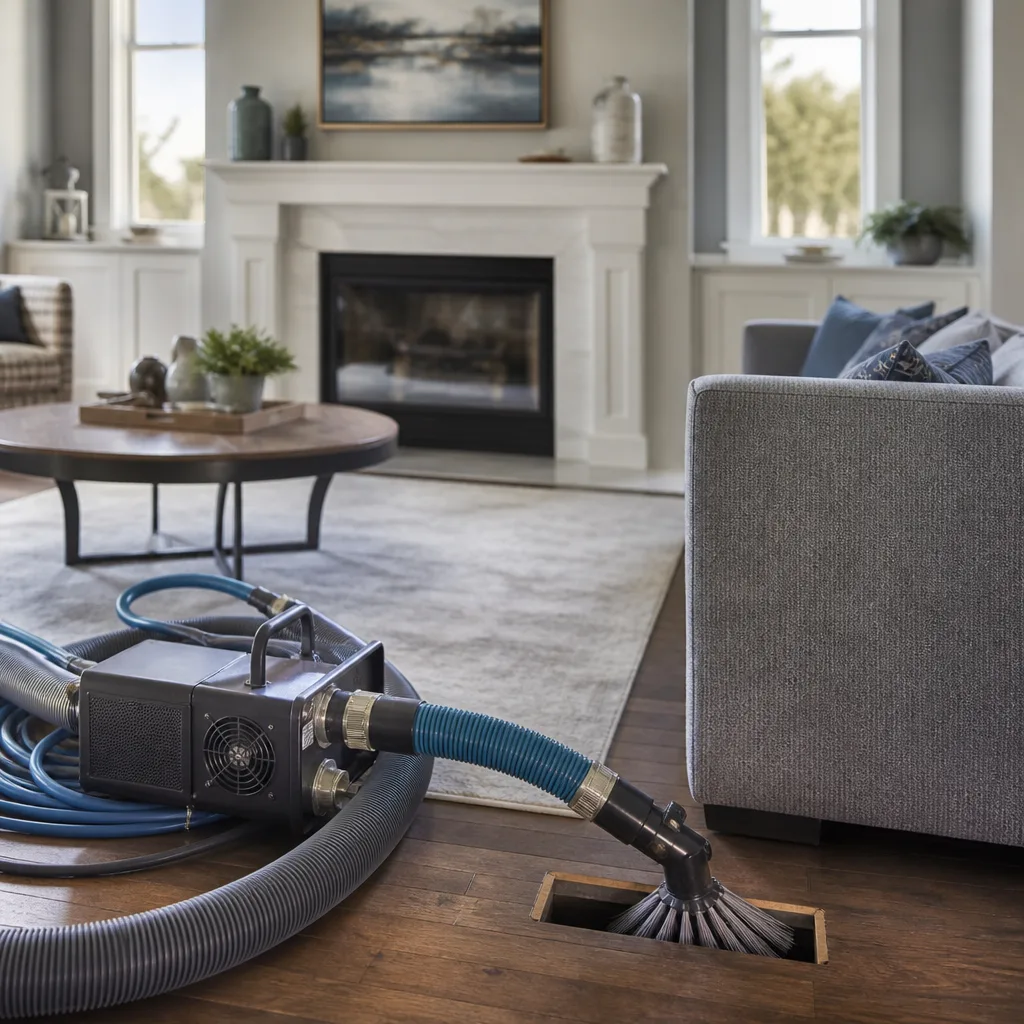 Whole-home duct cleaning
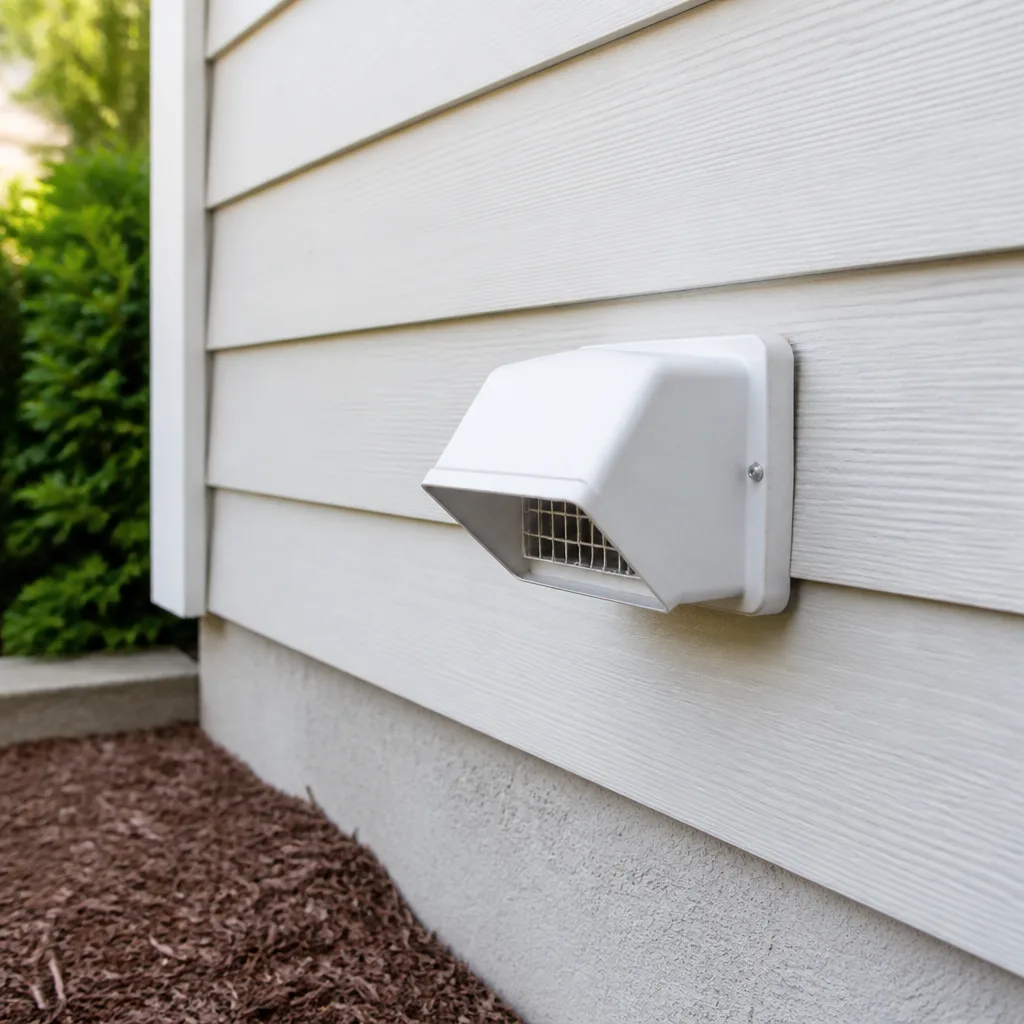 Dryer vent cleaning
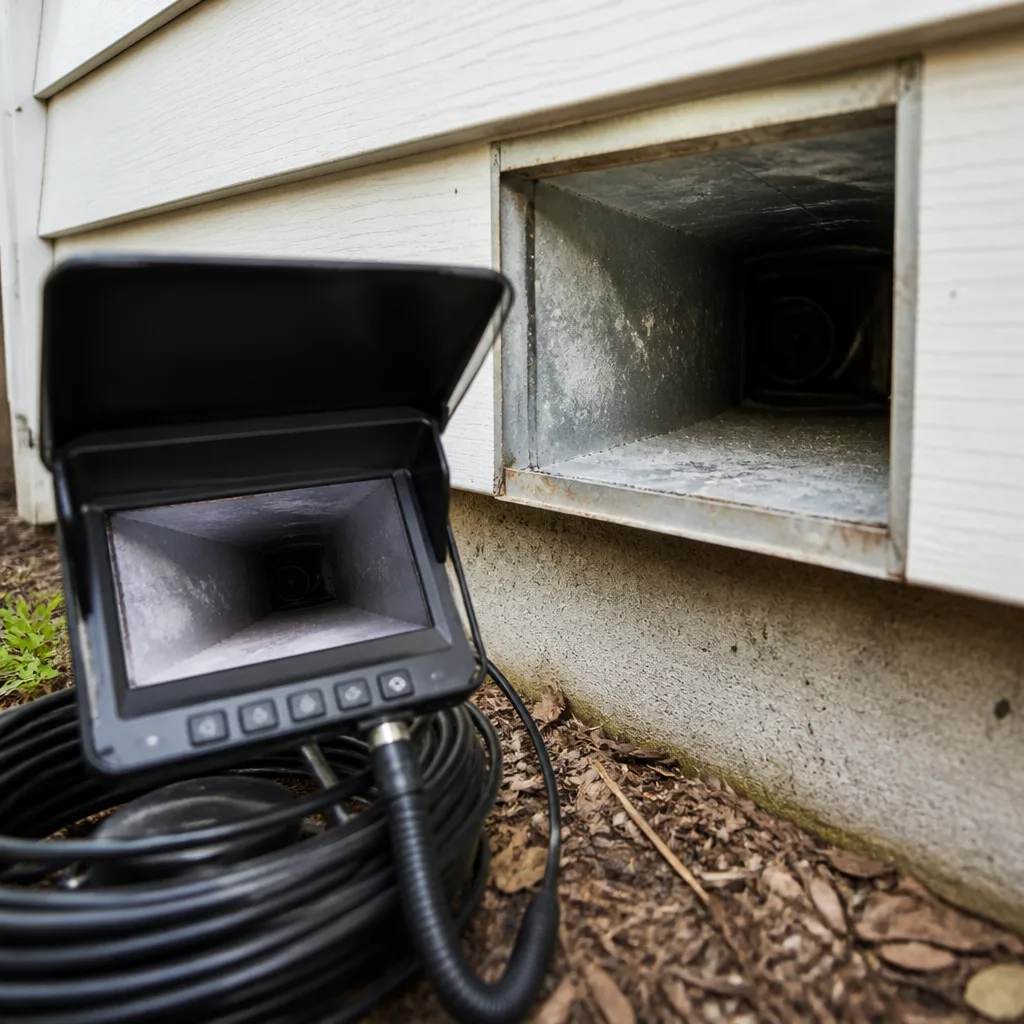 Camera inspection
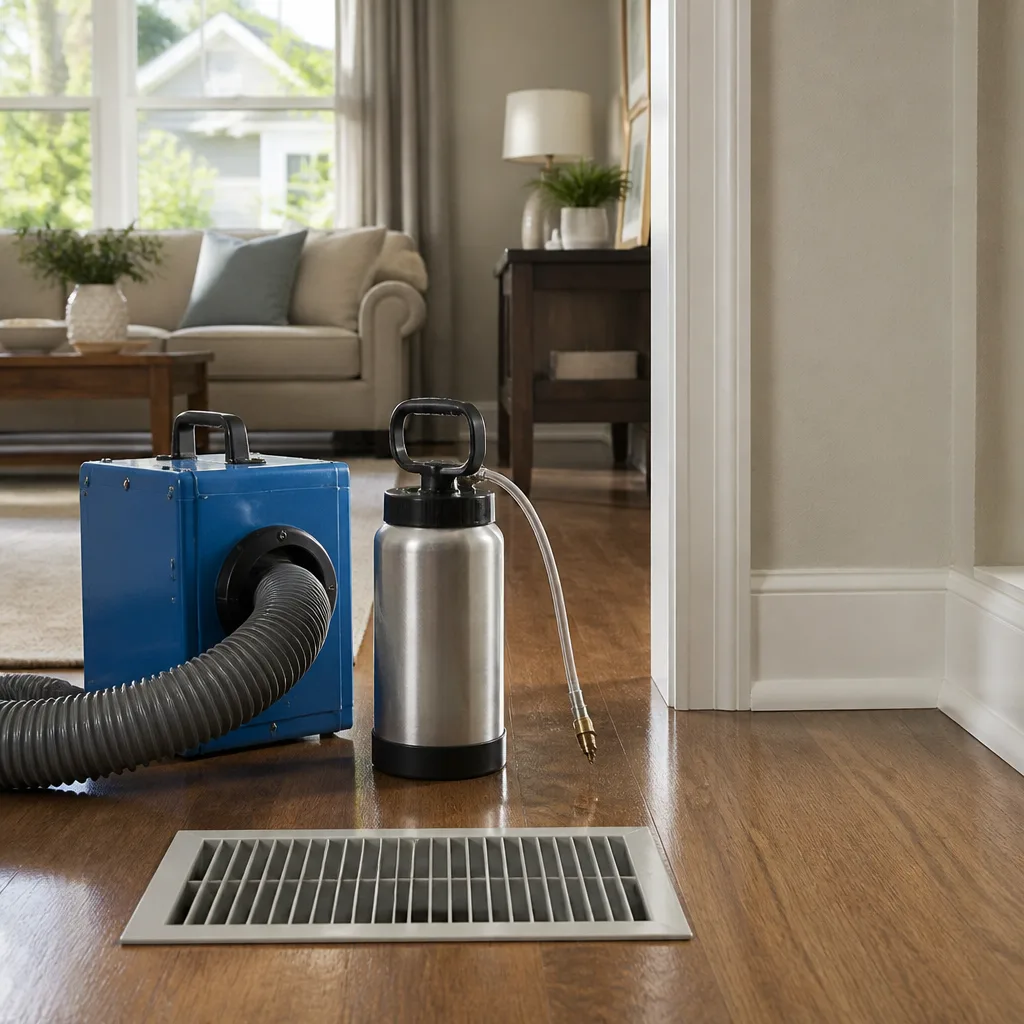 Sanitizing & deodorizing
Whole-system duct and dryer vent check with before-and-after photos - you see exactly what came out of your vents
That "$99 whole-house special" is a bait ad - the real number appears once they are in your hallway, or the "clean" is a shop-vac at the register. We photograph the inside of your ducts before and after instead.
DIY vs Professional Air Duct Cleaning: The Co-op City Homeowner’s Decision Guide
Most DIY duct cleaning advice assumes a single-family house with a basement, a straight trunk line, and registers you can reach with a step stool. Co-op City doesn’t work that way. The apartments here sit inside very large multi-story buildings with shared mechanical infrastructure, short branch runs, and ductwork that disappears into walls and risers long before it reaches anything you can see. That changes the entire question. It’s not really “can I clean my ducts myself?” It’s “what can anyone actually reach in this building, and what happens to the debris that gets moved but not removed?”
This guide draws that line honestly. We’ll walk through what a brush kit and a household vacuum genuinely do, why negative air pressure is the whole ballgame in professional cleaning, which maintenance tasks you should absolutely handle yourself, and the specific situations where a DIY attempt makes things worse. You’ll also learn how a pre-cleaning inspection should drive the decision, in Co-op City and anywhere else with apartment-scale duct layouts.
Quick Answer
For most Co-op City apartments, DIY air duct cleaning is limited to surface tasks: cleaning register grilles, changing and upgrading filters, and documenting what you can see. The duct runs themselves sit behind walls and in shared chases that a household vacuum can’t reach and shouldn’t try to. Meaningful duct cleaning requires mechanical agitation plus negative air pressure, equipment most residents don’t own and can’t safely operate inside an apartment. The right call depends on what a pre-cleaning inspection finds, not on a general rule about DIY versus professional.
Styles & brands we work with
- Whole-home duct cleaning
- Dryer vent cleaning
- Camera inspection
- Sanitizing & deodorizing
Table of Contents
- What DIY Duct Cleaning Can and Cannot Reach in a Co-op City Apartment
- The Negative Air Pressure Principle: Why Suction at the Register Isn’t Cleaning
- Where DIY Maintenance Genuinely Adds Value
- Where DIY Attempts Cause Real Harm
- Let the Inspection Decide, Not the General Rule
- What Professional Equipment Actually Does Differently
- What Professional Air Duct Cleaning Costs in Co-op City
- How to Vet a Duct Cleaner Before You Book
What DIY Duct Cleaning Can and Cannot Reach in a Co-op City Apartment
A shop-vac hose attached to a residential register cleans roughly the first stretch of duct it can touch, and that’s it. In a Co-op City apartment, that stretch is often shorter than you’d expect. The branch runs feeding each register are short, then turn, narrow, or join a riser that runs vertically through the building. Brush kits sold for homeowner use are built for straight, accessible runs of a certain diameter. Most apartment ductwork violates both assumptions.
Here’s a realistic breakdown of what household tools can do:
- A hand brush or register brush: good for the grille face, the louver fins, and the first few inches behind the cover. Cannot negotiate a 90-degree turn or a flexible connector.
- A shop-vac with a crevice tool: picks up loose dust and debris at the opening. Loses suction fast as the hose lengthens and the duct narrows.
- A rotary brush kit sold at retail: works on straight, rigid runs. In apartment layouts with short branches and flexible transitions, the brush can jam, abrade the duct lining, or push debris deeper instead of pulling it out.
- Compressed air: this is the one to avoid. Blowing air into a duct doesn’t remove anything. It relocates debris into the living space or into runs you can’t reach.
The deeper issue is geometry. Co-op City buildings were designed around shared mechanical systems, and the ductwork reflects that. What you see at the register is the end of a run, not the run itself. Any tool that can’t travel the full length of that run and bring material back out isn’t cleaning the duct. It’s cleaning the doorway to the duct.
The Negative Air Pressure Principle: Why Suction at the Register Isn’t Cleaning
Professional duct cleaning doesn’t work by suction alone. It works by putting the entire duct system under negative pressure while mechanical agitation breaks debris loose inside. The vacuum pulls from a controlled point, usually at the main trunk or through a purpose-built access, while a rotary brush travels the branch runs. Debris gets dislodged and immediately captured. It never has a chance to settle back into the system or drift into the room.
This is why a Nikro HEPA-rated vacuum rig isn’t just a bigger shop-vac. The HEPA filtration captures fine particulates at the source instead of exhausting them back into the apartment. That matters in any home, and it matters more in a multi-unit building where a cloud of disturbed dust doesn’t just affect one apartment.
The negative pressure principle breaks down into a few parts:
- Containment: the system is sealed at the register faces so air moves through the equipment, not into the living space.
- Pressure differential: a HEPA vacuum holds the whole duct under negative pressure, so loose material travels toward the capture point.
- Mechanical agitation: a Rotobrush rotary-brush system contacts the duct walls, loosening the adhered layer that airflow alone never moves.
- Capture: dislodged debris enters the vacuum and stays there. Nothing is recirculated.
Compare that to suction at a single register. You’re pulling air through one opening with a household motor, generating a fraction of the pressure, agitating nothing, and filtering almost none of what you lift. The debris that comes loose has nowhere to go but the rest of the system. That’s true of a homeowner with a shop-vac and equally true of a low-bid “professional” who shows up with the same equipment and a different invoice. When we talk about air duct cleaning, this is the distinction that matters: contact cleaning plus negative pressure, or nothing.
Where DIY Maintenance Genuinely Adds Value
We’re not going to tell you that everything about your duct system requires a professional. Plenty of maintenance is genuinely yours to handle, and doing it well makes any professional cleaning last longer. In a Co-op City apartment, these tasks are worth putting on a calendar.
- Register and grille cleaning: remove the covers, wash them in the sink, wipe the frame and the first inch of duct you can reach. Do this seasonally. Dust accumulates on the grille face faster than inside the run.
- Filter changes and upgrades: this is the highest-leverage thing a resident can do. A properly sized filter changed on schedule protects the blower and keeps the duct cleaner. If your system takes a media filter, Aprilaire and Honeywell housings are common in residential HVAC, and matching the correct filter to the housing matters more than buying the most expensive one on the shelf.
- Visual inspection documentation: photograph the inside of each register with your phone flashlight before and after you clean the grille. Date the photos. If you ever need to show a building manager or a technician what the ducts looked like, you have a record.
- Humidity awareness: Co-op City summers run humid, and indoor humidity above the comfort range feeds microbial growth in any damp spot in the system. Running the fan appropriately and keeping indoor humidity in check is maintenance, not cleaning, but it prevents the conditions that make cleaning necessary.
- Furniture and return-air clearance: make sure nothing blocks return grilles. A sofa pushed against a return chokes airflow and accelerates dust loading.
None of this replaces duct cleaning. All of it reduces how often you need it and makes the results last. A resident who changes filters on schedule and keeps registers clean is starting from a better place than one who doesn’t.
Where DIY Attempts Cause Real Harm
This is the part most DIY guides skip. Some duct conditions are not just ineffective to tackle yourself. They’re actively made worse by a homeowner attempt, and occasionally dangerous.
- Mold-colonized ductwork: if there’s visible growth inside a register or a musty smell that follows the airflow, agitating that duct with a brush spreads spores through the apartment and into the building’s shared air. Microbial contamination needs containment and a sanitizing step, not a scrub brush and a fan.
- Dislodging debris in inaccessible runs: pushing material deeper into a branch run that turns into a riser means it settles somewhere no one can reach without opening the system. You’ve converted a cleanable problem into a permanent one.
- Damaging flexible duct and insulation: apartment ductwork often includes flexible connectors and internal insulation. A retail rotary brush run at the wrong speed or diameter can tear the liner. That’s a repair job now, not a cleaning job.
- Voiding HVAC warranties or violating building rules: modifying ductwork, cutting access panels, or working on shared mechanical components can breach your warranty and your building’s alteration rules. In a co-op, the line between “your” ductwork and the building’s is not always where you’d guess, and it’s worth asking management before you touch anything structural.
- Electrical and moisture hazards: working around a furnace or air handler with a wet vacuum or a spray bottle is a genuine shock risk. Wet components inside an air handler invite corrosion and microbial growth.
Our general stance: if the inspection shows dry, lightly dusted ductwork with no growth and no damage, DIY surface maintenance is reasonable. If it shows moisture, growth, pest activity, or debris you can’t reach, stop. That’s not a job for a homeowner tool.
Let the Inspection Decide, Not the General Rule
The honest answer to “DIY or professional?” is that neither is universally right. The decision should come from what’s actually inside the ducts, which is why any legitimate cleaner starts with an inspection rather than a quote. Here’s how a pre-cleaning inspection should work and what each finding means for your decision.
- Register-by-register visual check: the technician removes each grille and photographs the interior with a light. Light surface dust is a maintenance situation. Heavy accumulation, discoloration, or visible growth is not.
- Moisture assessment: any sign of dampness inside the duct or at the air handler points to a source problem that cleaning alone won’t fix. Moisture means microbial risk, and that’s a professional scope.
- Access and geometry review: the technician identifies where the runs go and whether they can be reached with rotary equipment. In Co-op City buildings this step determines whether cleaning is even feasible without building coordination.
- System condition check: seals, insulation, flexible connectors, and the air handler itself. A duct with failed seals lets debris back in immediately after cleaning, which is why sealing belongs in the same visit.
- Findings shared before work starts: you should see the photos and hear the recommendation before anything is cleaned. If a company quotes a price without an inspection, that price is a guess or a sales script.
In our experience, the inspection outcome sorts residents into three groups. Some need only filter upgrades and register maintenance. Some have a real cleaning need, usually tied to moisture, renovation dust, or years without service. A few have a repair or sealing problem that cleaning alone won’t solve. The inspection tells you which group you’re in. A general rule can’t.
What Professional Equipment Actually Does Differently
The gap between a household vacuum and professional duct cleaning isn’t a matter of degree. It’s a different category of work. Here’s what the equipment actually does, and why it changes what’s possible in a Co-op City apartment.
- Rotobrush rotary-brush systems: contact cleaning means a rotating brush physically scrubs the duct wall, removing the adhered layer that airflow never lifts. This is the same rotary-brush approach specified in NADCA standards for source removal.
- Nikro HEPA vacuum rigs: high-volume negative pressure with HEPA-rated filtration. Debris is captured at the source, not exhausted into the room.
- Abatement Technologies air scrubbers: deployed during and after cleaning to scrub the air in the work area. This is what makes air-quality remediation and sanitizing a real phase rather than a spray-and-hope add-on.
- Guardsman antimicrobial sanitizing: a distinct treatment step for microbial contamination, applied after cleaning and never confused with cleaning itself.
That last distinction matters more than most homeowners realize. Cleaning removes debris. Sanitizing addresses what’s growing on surfaces after the debris is gone. Treating them as the same thing is how cheap services cut corners: they spray something that smells clean and call it done. HVAC cleaning that stops at the visible vents, or at a surface spray, hasn’t cleaned the system.
Whole-system thinking is the other difference. Proper work covers the air handler, the coil, the blower, the duct runs, and the sealing that keeps debris from returning. Familiarity with Aprilaire and Honeywell air-quality components means the technician understands how filtration and humidification interact with duct hygiene instead of working around them. And when a job needs dryer vent cleaning too, that’s a fire-risk reduction task, not an airflow tune-up, and it belongs in the same visit if the layout allows.
What Professional Air Duct Cleaning Costs in Co-op City
Air duct cleaning for a Co-op City apartment typically runs in a range set by system size, number of registers, and what the inspection finds, with most residential jobs landing between roughly $300 and $700 for cleaning alone. We quote per system, not per vent, and the written estimate you receive after the inspection is the price you pay. That’s the honest structure, and it’s the opposite of the coupon-then-invoice pattern that gives this trade a bad name.
Here’s how the scope typically breaks down:
| Scope | Typical range |
|---|---|
| Air duct cleaning, standard apartment system | $300 – $700 |
| Duct repair and sealing, per affected run | $150 – $450 |
| Antimicrobial sanitizing step (Guardsman) | $100 – $250 |
| Dryer vent cleaning (separate service) | $100 – $200 |
Treat these as typical estimates for the Co-op City market, not exact prices. What actually determines the number:
- Number of registers and branch runs: more openings mean more cleaning passes.
- System condition: heavy accumulation, renovation dust, or pest debris takes longer.
- Access: building layouts vary, and some runs need more setup than others.
- Scope bundling: cleaning, sealing, and sanitizing in one visit usually costs less than separate bookings, but each phase is priced visibly so you can see what you’re paying for.
If a quote is dramatically below these ranges, ask what it includes. Per-vent pricing with a low base figure is the classic setup for upsells once the technician is inside. A per-system flat price agreed before work starts, with before-and-after photos of your own ducts, is the standard to hold every company to.
How to Vet a Duct Cleaner Before You Book
Whether you decide DIY or professional, the choice of who does the work matters more than the decision to hire at all. Here’s how to tell a real duct cleaning service from a coupon operation.
- Ask about equipment by name: a legitimate cleaner can tell you what negative-pressure system and rotary equipment they use. “We use a big vacuum” is not an answer.
- Require an inspection before the quote: photos of your actual ducts, shared with you, before a price is agreed.
- Insist on per-system pricing: no per-vent rate, no teaser coupon, one flat price per system in writing.
- Ask for before-and-after photos: of your own ducts, not stock images. This is the simplest proof that the work happened.
- Confirm the scope covers the whole system: air handler, coil, blower, and seals, not just the register faces.
- Check that the local pro is licensed and insured as their state requires: ask to see it. It’s table stakes, not a sales point.
Air Duct Cleaning Co-op City connects residents with independent local professionals who work this way: one flat price per system agreed before work starts, before-and-after photos, a satisfaction guarantee, and the local pro licensed and insured as their state requires. You can see the full scope on our Air Duct Cleaning Co-op City page. Our technicians have up to 10 years of experience, and the equipment stack is rotation-brush, HEPA vacuum, and air scrubbing, not a shop-vac with a logo.
Common Mistakes to Avoid
- Attacking a musty duct with a brush. A smell that follows the airflow usually means growth inside the system. Agitating it spreads spores through your apartment instead of removing them, so call for an inspection first.
- Using compressed air to “blow out” a register. Blowing into a duct just moves debris somewhere you can’t reach. In a Co-op City apartment, that somewhere may be a shared riser.
- Buying a coupon-price cleaning without asking about equipment. If the quote is a fraction of the honest range and the equipment is a shop-vac, the cleaning is happening in the first couple of feet and nowhere else.
- Cutting access panels into ductwork without checking building rules. Co-op buildings have rules about what residents may alter, and structural ductwork is usually not yours to modify.
- Skipping the filter change and paying for cleaning instead. A clogged filter is the most common cause of poor airflow, and it costs a fraction of a cleaning. Fix the filter first.
- Cleaning the ducts without checking the seals. If the system leaks, debris returns quickly. Cleaning without sealing is half a job.
- Ignoring the dryer vent because it’s a different service. Dryer vents are a fire-safety matter, not a comfort one, and they deserve the same attention as the HVAC runs.
See the difference
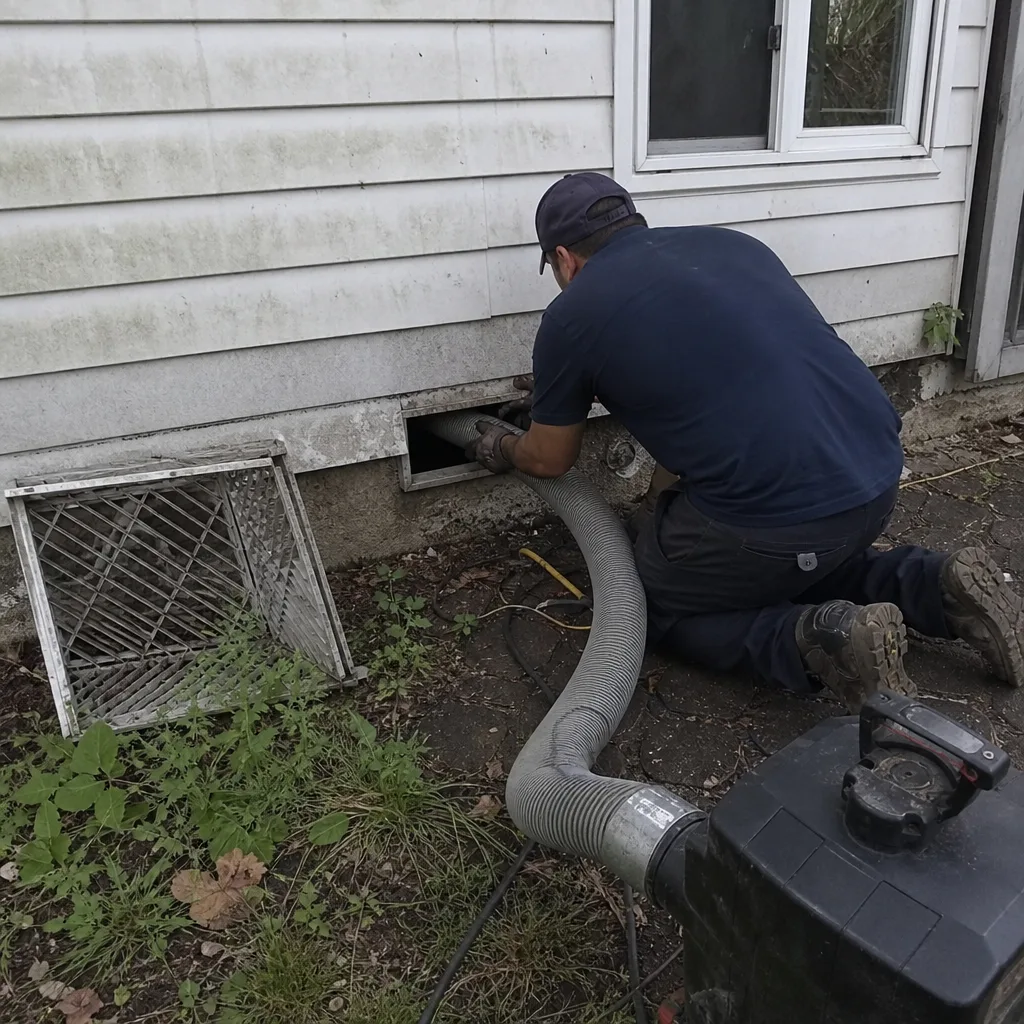 Before
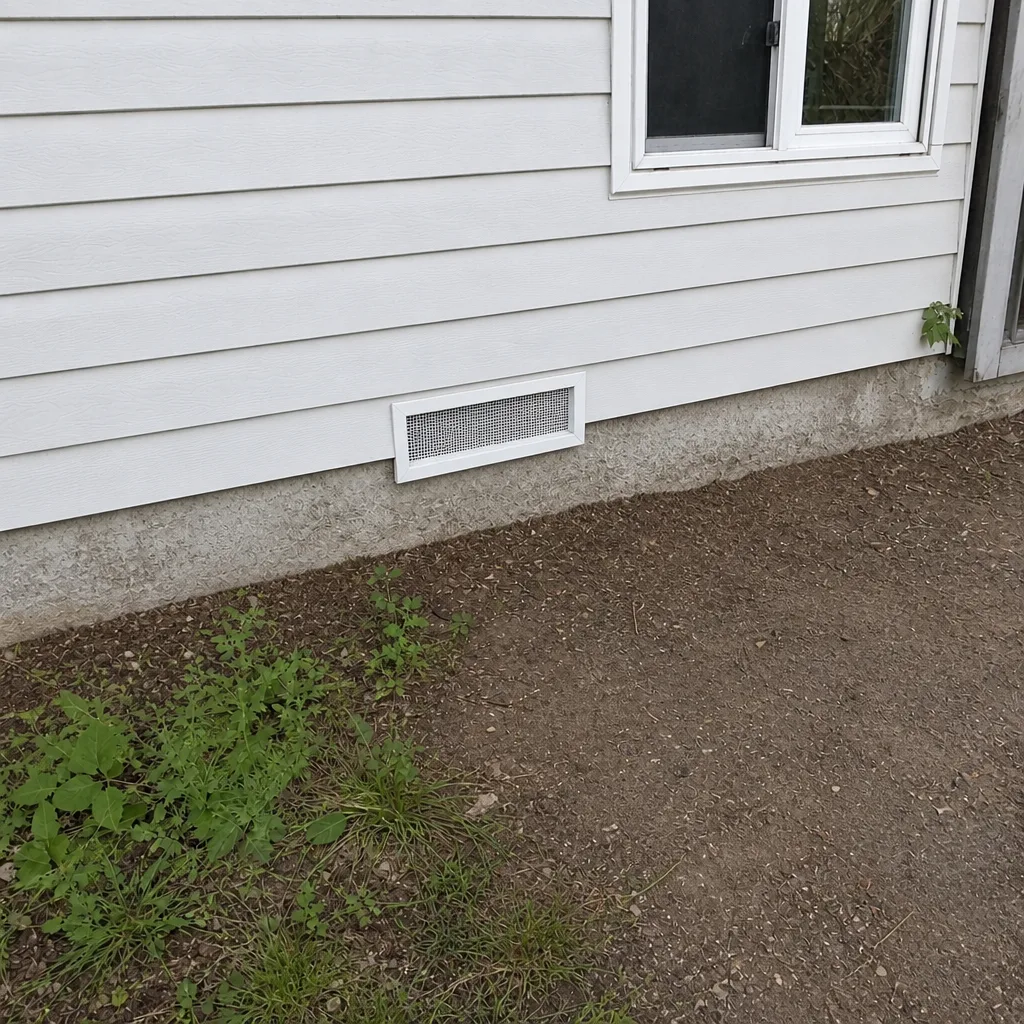 After
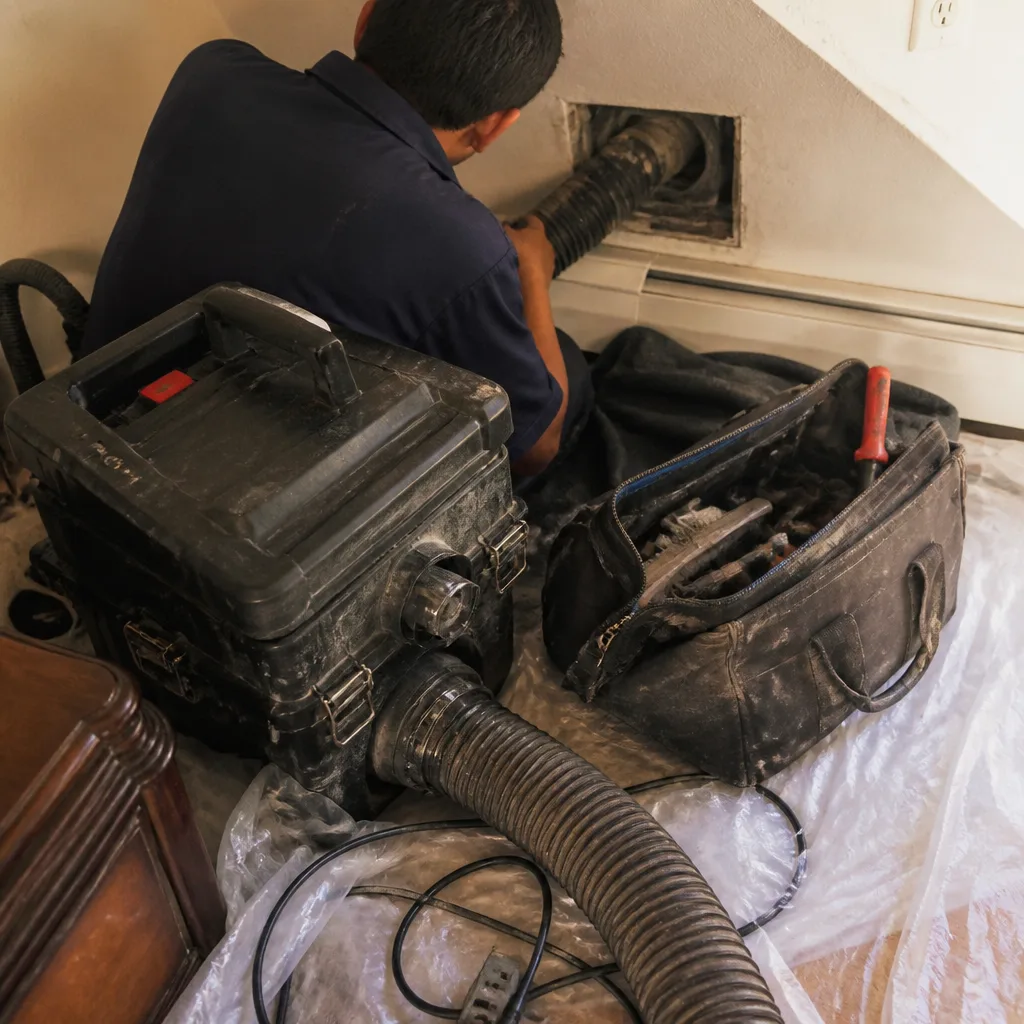 Before
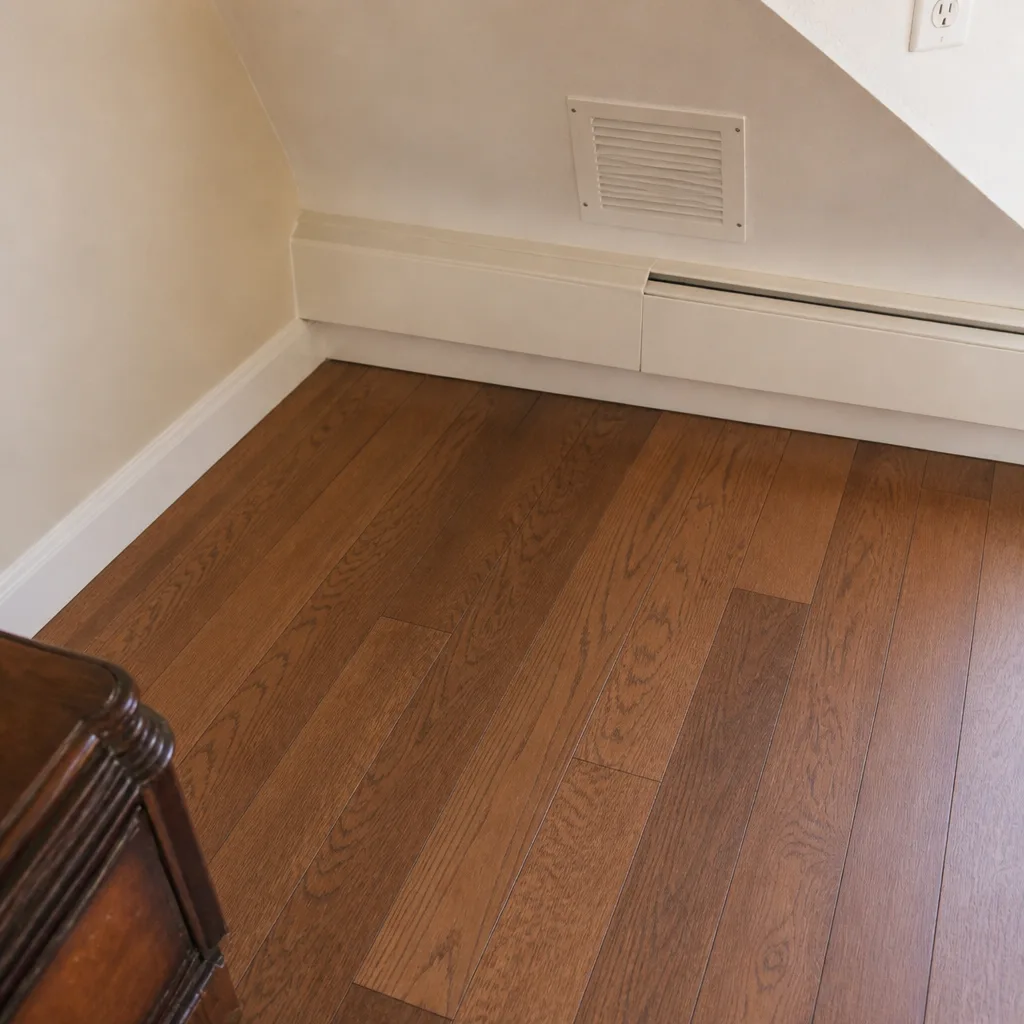 After
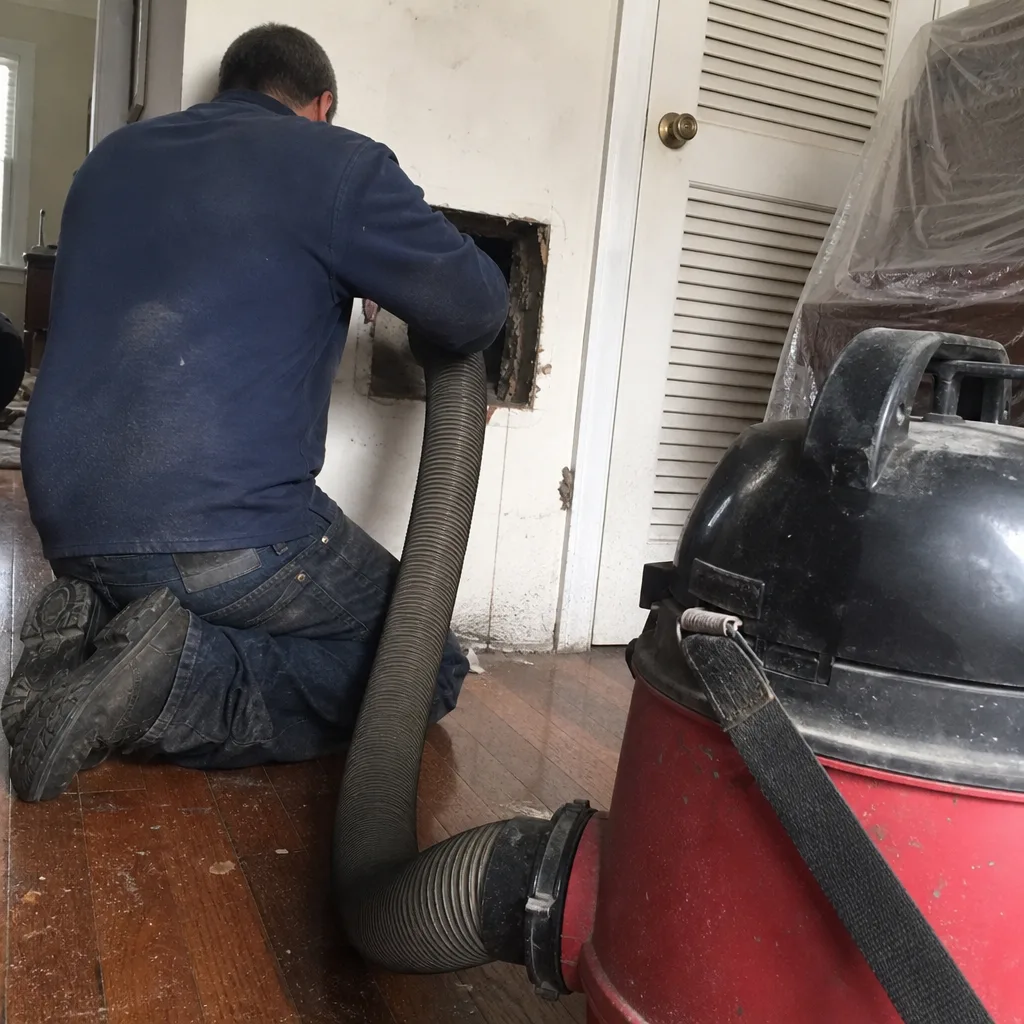 Before
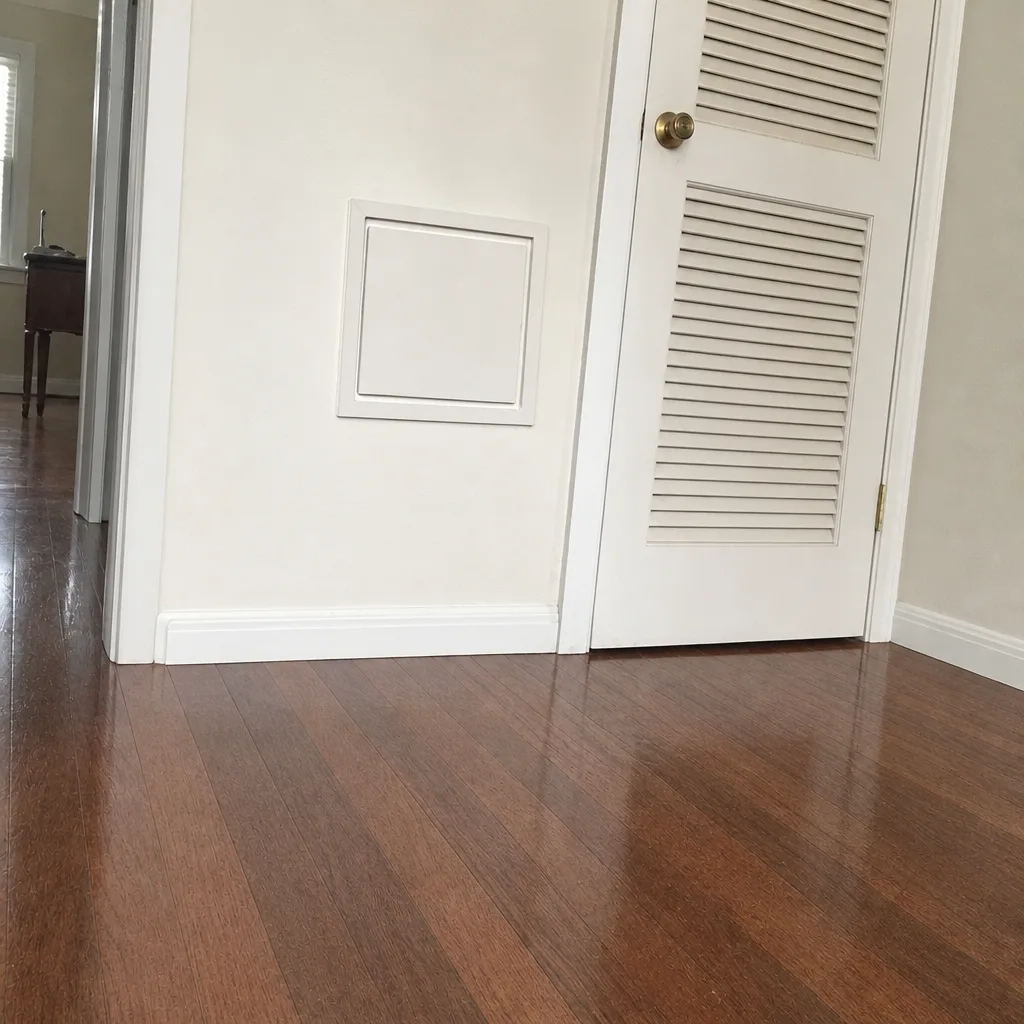 After
When to Call a Professional
Call a professional when a pre-cleaning inspection shows moisture, visible growth, pest activity, heavy accumulation, or debris in runs you can’t reach. Call when you smell mustiness that follows the airflow, when a renovation filled the ducts with drywall dust, when you or someone in the household has respiratory sensitivities and the ducts haven’t been evaluated, or when you’ve tried surface maintenance and the problem persists. If you’re a property manager responsible for multiple units, an inspection of the shared components is worth scheduling before anything else.
Air Duct Cleaning Co-op City offers free estimates in Co-op City – call (844) 443-4901. We answer 24/7. Fast dispatch from 7am to 7pm, Sunday through Friday.
Frequently Asked Questions
You can clean the register grilles, change and upgrade filters, and document what you see, but you can’t meaningfully clean the duct runs themselves. The runs sit behind walls and in shared chases, and household equipment can’t generate the negative pressure or contact cleaning needed to remove debris from them. Surface maintenance is yours; duct cleaning is a professional scope.
Most apartment systems land between roughly $300 and $700 for cleaning, with sealing and sanitizing priced separately as their own line items. Those are typical ranges for this market, and the written estimate after an inspection sets the final price. Call (844) 443-4901 for an exact quote – estimates are free.
Cheap quotes usually mean per-vent pricing layered onto a low base figure, with upsells added once the technician is on site. The low number buys cleaning of the visible vents and not much else. Ask what equipment the company uses and whether the price is flat per system. Call (844) 443-4901 if you want a per-system quote that doesn’t change once work starts.
Ask for before-and-after photos of your own ducts taken during the job. A legitimate cleaner will share them without hesitation. If a company can’t produce photos of your system, you have no way to verify what happened. Call (844) 443-4901 and we’ll explain what an inspection and photo record look like.
Most apartments don’t need it on a fixed schedule. Filter changes on time, clean registers, and no moisture problems often mean years between cleanings. Renovation dust, a musty smell, visible debris, or a household member with respiratory sensitivity are better triggers than a calendar. Call (844) 443-4901 and we’ll help you decide whether an inspection makes sense now.
Removing accumulated dust and debris from the system reduces what gets circulated into your living space, and a sanitizing step addresses microbial growth that surface cleaning misses. It isn’t a treatment for a medical condition, but a cleaner system is a cleaner baseline. Call (844) 443-4901 to schedule an inspection and find out what’s actually in the ducts.
The Bottom Line
DIY duct cleaning in a Co-op City apartment is worth doing at the surface level and not worth attempting inside the system. Register grilles, filters, and visual documentation are yours to handle, and doing them well reduces how often the ducts need attention. The runs themselves need mechanical contact cleaning under negative pressure, which is a different category of equipment and a different category of skill. Let the inspection decide what your particular apartment needs, insist on a per-system price agreed before work starts, and ask for photos of your own ducts. That combination keeps you out of the bait-and-switch cycle and gets you ducts that are actually clean.
Written by the team at Air Duct Cleaning Co-op City.