
Nikro Air Duct Cleaning in Co-op City: A Homeowner’s Guide
Most Co-op City residents never see the machine that cleans their ducts. A crew arrives, a hose disappears into a vent, and forty minutes later the work is declared done. The question worth asking is simpler than any sales pitch: what equipment is actually inside your walls, and is it built to remove debris or just stir it up? Nikro Industries builds portable, HEPA-filtered extraction systems rated for the source-removal standard the National Air Duct Cleaners Association recommends. If a contractor shows up without a machine in that class, the standard can’t be met no matter how confident they sound.
This guide walks through what Nikro equipment does mechanically, why it fits the high-rise layouts common across Co-op City, and how to confirm real equipment is on the job before work starts. If you’d rather skip the research and talk it through, call (844) 443-4901.
What does a Nikro HEPA vacuum actually do during a duct cleaning?
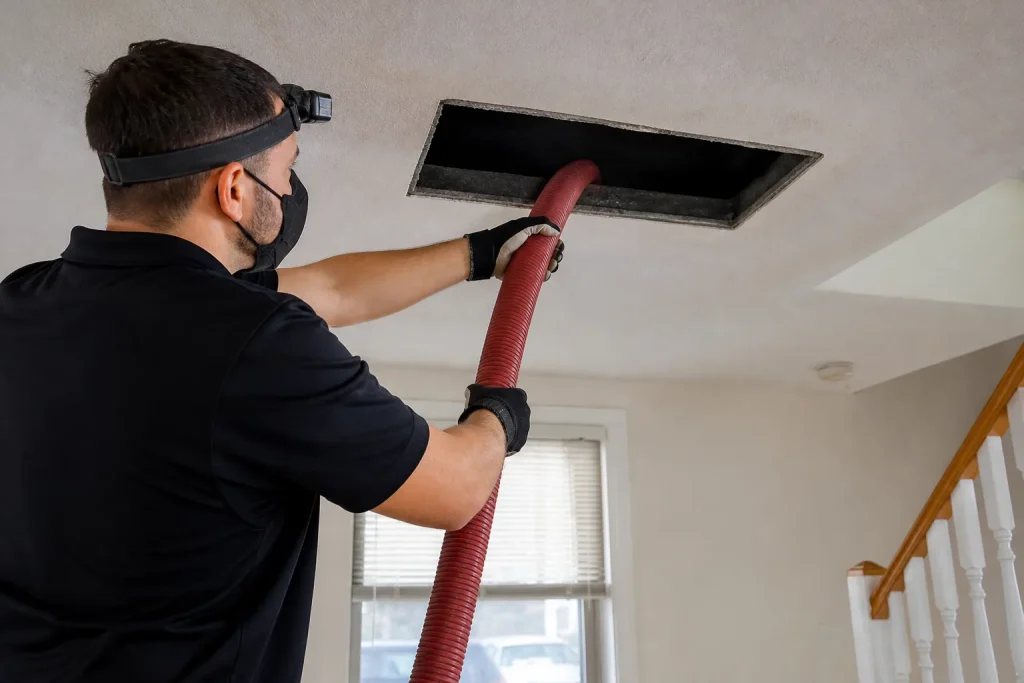
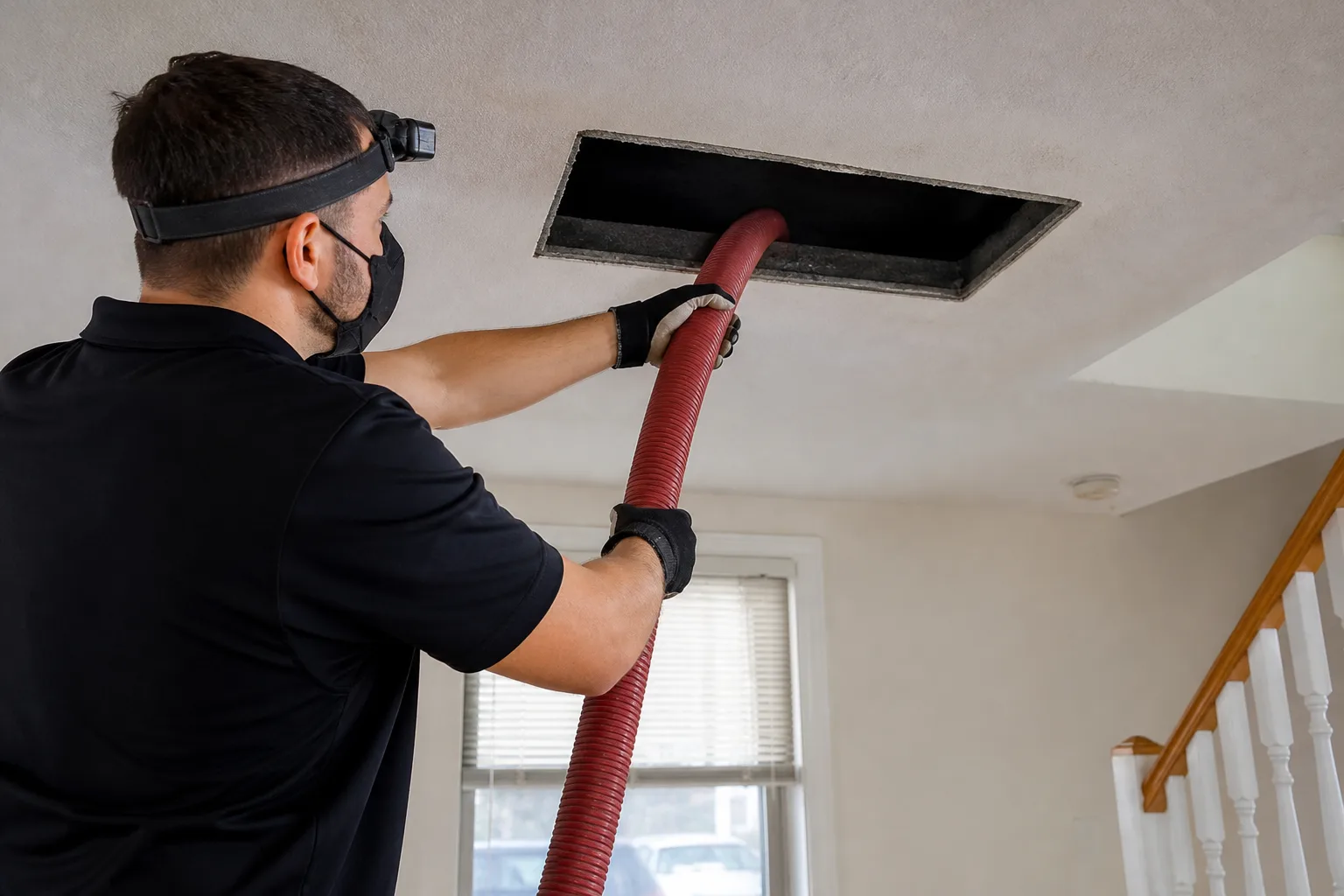
A Nikro HEPA vacuum creates negative pressure inside the duct system while a technician agitates the interior surfaces, then filters every particle it pulls out through a multi-stage HEPA filtration stack before releasing air back into the unit. It is an extraction machine, not a blower. The distinction matters more than most homeowners realize.
The CFM rating (cubic feet per minute) describes how much air the unit moves. High CFM alone does nothing useful. What earns a machine its place is the combination of strong airflow and true HEPA filtration at the exhaust stage. Without filtration, a high-CFM machine simply relocates dust from the ductwork into your living room air. With it, dislodged debris is captured at the source and sealed inside the collection system.
Nikro’s portable units typically run a multi-stage filter stack: a pre-filter to catch the bulk, a secondary filter for finer particulates, and a final HEPA stage rated to trap particles at the microscopic level. Each stage protects the next. That’s how a professional rig stays effective through an entire job rather than clogging halfway through the second room.
In our experience, this is the single biggest difference between a real cleaning and a cosmetic one. A shop-vac pulls debris from the vent opening and stops. A HEPA-rated extraction machine pulls from the whole branch run and holds what it catches.
Why does Nikro fit Co-op City buildings specifically?
Co-op City’s high-rise residential buildings present access constraints that truck-mounted equipment can’t solve. There’s no exterior wall port to hook into from the street, no way to run a hose up twenty floors, and no practical route for a large skid-mounted unit. Portable, high-CFM extraction is the only equipment class that works inside that environment.
The logistics break down like this:
- Elevator access. Portable Nikro units break down into components a two-person crew can move through standard elevator cabs without blocking residents.
- Corridor navigation. The hose runs and collection equipment fit through interior hallways and unit doorways, which truck-mounted systems cannot negotiate.
- No exterior access required. Everything operates from inside the unit, using the existing return and supply openings.
- Negative pressure containment. The system keeps the duct under vacuum during agitation, which is what prevents debris from escaping into the apartment.
We’ve worked this trade long enough to know that equipment chosen for a suburban ranch house doesn’t translate to a Co-op City apartment. The right rig is the one built for the building it’s working in. That’s the practical case for a portable HEPA system here, and it’s why the equipment question matters just as much as the price question.
How do agitation and extraction work together in a two-phase cleaning?
Source removal requires two distinct phases: mechanical agitation to loosen debris from the duct walls, then HEPA extraction to pull it out and capture it. Skip either step and the job is incomplete. This is the part most homeowners never hear explained.
Phase one uses a rotary-brush contact system like Rotobrush to physically scrub the interior surfaces of the ductwork. Dust, lint, and debris bond to the metal over time, especially in buildings where return-air pathways run long. A vacuum alone won’t break that bond. The brush does.
Phase two brings the Nikro HEPA unit into play. As the brush loosens material, the extraction system maintains negative pressure through the duct run and pulls the dislodged debris into the collection stack. The two phases run in coordination, not sequence. The brush disturbs, the vacuum captures, and the duct stays under vacuum throughout so nothing escapes into the room.
Some contractors run one phase and call it cleaning. Agitation without extraction leaves loosened debris in the system. Extraction without agitation pulls only what’s already loose. Both steps are required for a NADCA-compliant result. If you’re comparing quotes, ask which specific equipment handles each phase. A clear answer tells you the crew understands the process. A vague one tells you something too.
What does HEPA filtration at the exhaust stage mean for neighboring units?
HEPA filtration at the exhaust stage means the air leaving the vacuum has passed through a filter rated to capture microscopic particulates before it re-enters the building’s shared environment. In a cooperative building where ductwork, corridors, and shared mechanical spaces sit close together, that detail carries more weight than it does in a detached house.
Here’s why. When a duct cleaning disturbs years of accumulated dust, the debris has to go somewhere. Without proper exhaust filtration, it goes into the air of the unit being cleaned and, through shared shafts or hallway leakage, potentially into neighboring units. That’s a real concern for Co-op City residents living in close proximity, and especially for households with allergies, asthma, or respiratory sensitivities.
A Nikro HEPA rig captures particles at the exhaust outlet. The air leaving the machine is filtered, not bypassed. This is also where Abatement Technologies air scrubbers come in during air-quality remediation and sanitizing work: they provide additional filtration capacity in the space itself, so the indoor air stays clean through and after the job. Together, portable HEPA extraction and supplemental air scrubbing keep a cleaning contained to the ducts being cleaned, which is exactly the outcome a cooperative building needs.
How do you confirm Nikro equipment is being used before the job starts?
Ask directly, in writing if possible, and expect a specific answer. A professional crew can name the equipment they use for agitation and extraction without hesitation. If the answer is “a really powerful vacuum,” that’s not the answer you’re looking for. Here’s how to verify:
- Ask what brand of extraction equipment they use. Nikro or a machine in its class should be named. “HEPA-rated” without a brand and model is worth a follow-up question.
- Ask which system handles agitation. A rotary-brush contact system like Rotobrush is the standard. If they describe a brush attachment on a shop-vac, walk away.
- Ask to see the equipment when they arrive. A legitimate crew will show you the HEPA stack and explain how it works. Look for a multi-stage filter housing and a branded unit, not a generic tank.
- Ask whether they run extraction and agitation simultaneously. The answer should be yes, with the duct under negative pressure throughout.
- Ask for before-and-after photos of your own ducts, not stock images from a website.
A crew using equipment in Nikro’s class will answer all five without flinching. That’s the transparency test, and it’s far more useful than a coupon price.
When should you call a pro instead of waiting?
If you’re seeing visible dust blowing from vents shortly after a cleaning, hearing a persistent rattle in the ductwork, or noticing that airflow has dropped in one section of your apartment, it’s time to stop guessing and get the system inspected. Co-op City residents dealing with allergy flare-ups that track with HVAC use are another signal. Dryer vents are their own safety story: lint buildup is a fire risk, not just an airflow problem, and it’s worth a separate look. If you want a professional inspection that covers the full system, air duct cleaning paired with a duct health check tells you what’s actually happening behind the walls.
Related services in Co-op City: we also handle dryer vent cleaning and HVAC cleaning as part of the same visit, so a single appointment can cover the whole system. If you’re not sure which service fits your situation, Air Duct Cleaning Co-op City is the place to start.
The Bottom Line
The equipment behind a duct cleaning is the job. Nikro HEPA extraction and Rotobrush agitation together deliver source removal; either one alone leaves the work unfinished. In Co-op City’s high-rise buildings, portable HEPA rigs are the right tool because they fit the access constraints, contain the debris during the job, and protect neighboring units through exhaust-stage filtration. You can verify the whole picture in about five questions before work begins.
Clean ducts. Sealed ducts. Tested air. That sequence is what a real job looks like from start to finish.
If you’re in Co-op City and need help, Air Duct Cleaning Co-op City offers free estimates – call (844) 443-4901. We answer 24/7. Fast dispatch from 7am to 7pm, Sunday through Friday.
Frequently Asked Questions
Any true HEPA-rated extraction system in Nikro’s class can do the job, provided it maintains negative pressure and filters at the exhaust stage. What it must have is multi-stage filtration, high enough CFM to move air through the duct run, and the portability to work inside a high-rise unit. Nikro’s portable line fits that spec. A shop-vac, no matter how strong, does not. Call (844) 443-4901 for an exact quote on your Co-op City unit – estimates are free.
Before-and-after photos of your own ductwork are the answer. A crew using Nikro or equivalent equipment will photograph the interior of the ducts before cleaning and again after extraction. You should see a visible difference. If a contractor can’t or won’t provide that, the cleaning is unverifiable. Call (844) 443-4901 to schedule a job where you can see the result.
Cheap quotes usually skip one of the two phases. Agitation without HEPA extraction, or a shop-vac run over the vent covers, takes a fraction of the time and equipment cost of a real two-phase cleaning. The low price reflects the scope, not a bargain. Ask what equipment handles agitation and extraction before you commit. Call (844) 443-4901 for a quote that spells out both phases – estimates are free.
Most homes benefit from a cleaning every few years, but a Co-op City apartment in a building with shared returns and long duct runs can justify a closer interval, especially for households with allergies or respiratory sensitivities. Visible dust at the vents, reduced airflow, or musty odors are signals to inspect sooner. Call (844) 443-4901 to talk through your building and get a specific recommendation – estimates are free.
Written by the team at Air Duct Cleaning Co-op City.
Need Air Duct Cleaning Help?
Call Air Duct Cleaning Co-op City - the local pro we connect you with is licensed and insured, with free written estimates in Co-op City.
(844) 443-4901