
Last updated November 25, 2026
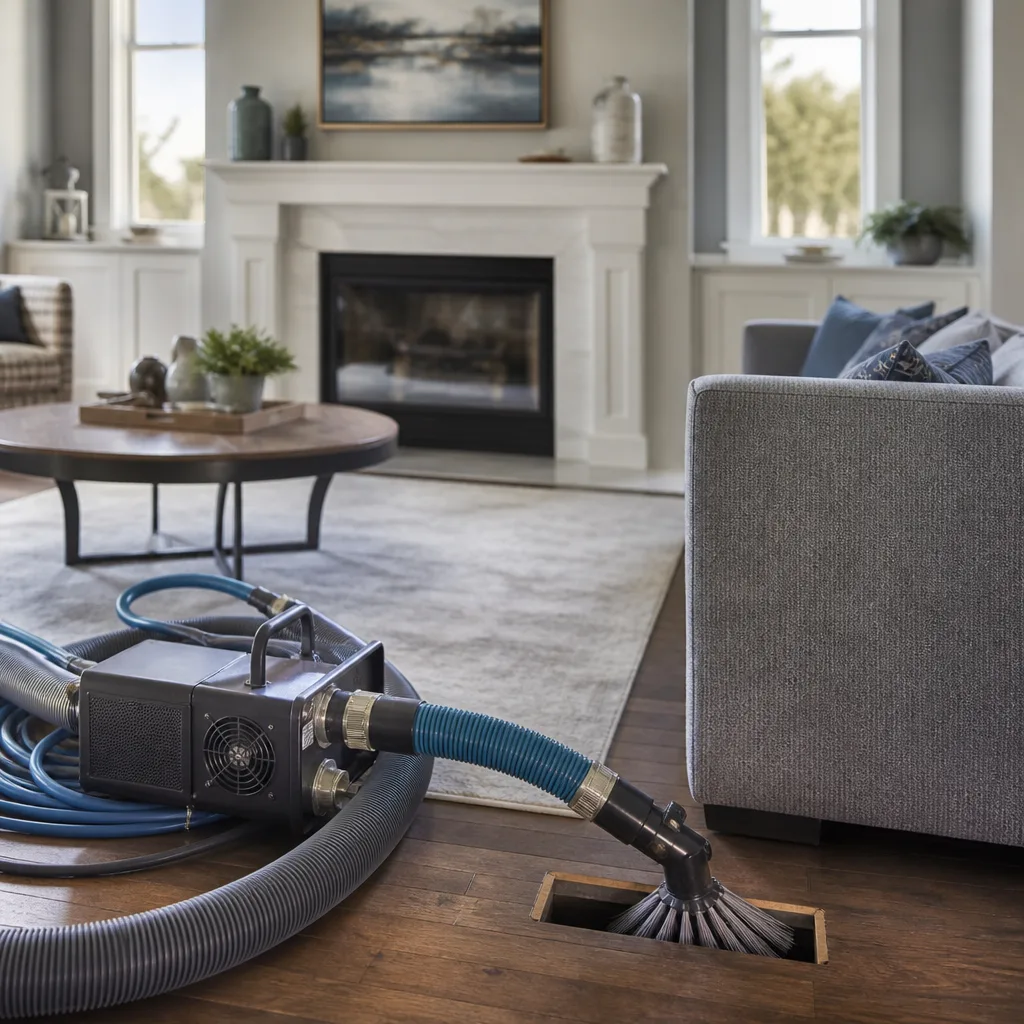 Whole-home duct cleaning
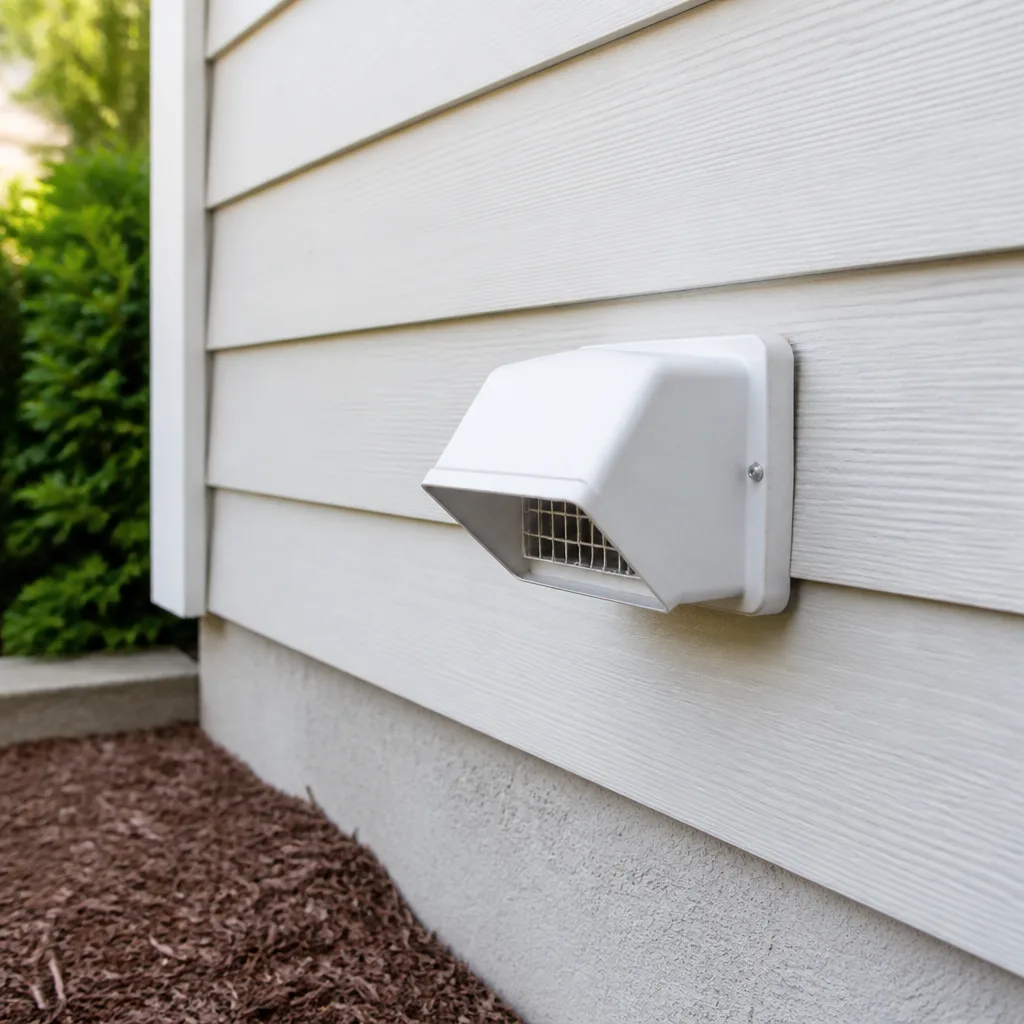 Dryer vent cleaning
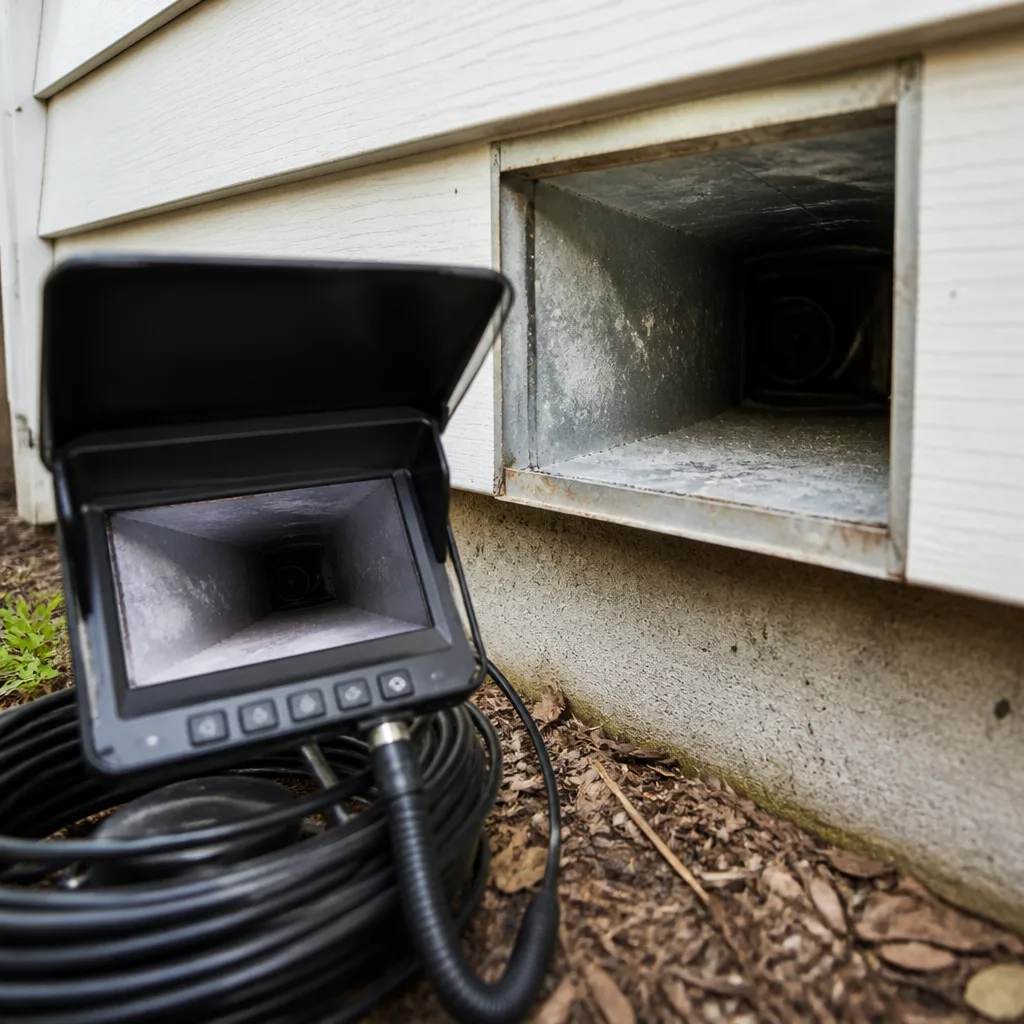 Camera inspection
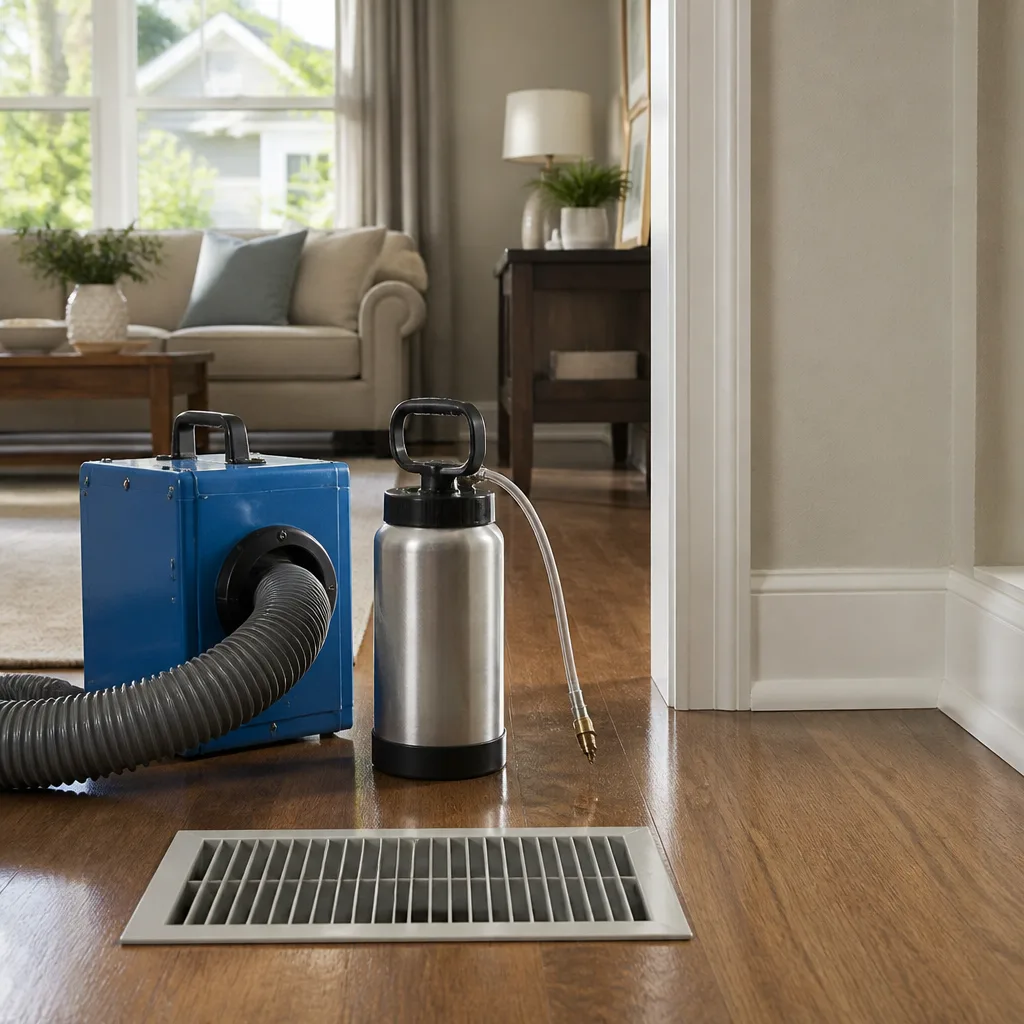 Sanitizing & deodorizing
Whole-system duct and dryer vent check with before-and-after photos - you see exactly what came out of your vents
That "$99 whole-house special" is a bait ad - the real number appears once they are in your hallway, or the "clean" is a shop-vac at the register. We photograph the inside of your ducts before and after instead.
Air Duct Cleaning Warning Signs: A Co-op City Homeowner’s Reference Guide
When the air in a Co-op City apartment starts to smell musty or the dust comes back a day after you wipe the shelves, the first call most residents make is to the building manager. That’s a reasonable instinct in a cooperative the size of Co-op City, where mechanical systems are shared and a problem in one stack can feel like a problem for everyone. But in our experience, a good share of the air-quality complaints that originate in individual units trace back to the ducts inside that unit, not to the building plant. That distinction matters, because a building inspection won’t flag contamination that lives behind your own register. This guide walks you through the specific signals that separate a building-wide issue from a unit-level one, so you spend money in the right place.
Quick Answer
Air duct cleaning warning signs in Co-op City usually show up as three things at once: visible debris or dark staining at the register, an odor that returns every time the system runs, and respiratory irritation that clears up when you leave the apartment. Any one of those can have another cause. Two or three together, persisting across seasons, point to contamination inside the ductwork of your unit and warrant a professional inspection before you spend anything on filters or air purifiers.
Styles & brands we work with
- Whole-home duct cleaning
- Dryer vent cleaning
- Camera inspection
- Sanitizing & deodorizing
Table of Contents
- Building-Wide Symptoms vs. Unit-Level Duct Contamination
- What a Flashlight at the Register Actually Reveals
- Odor Patterns: Mold in the Ducts vs. Other Sources
- HVAC Performance Signals That Trace Back to Restricted Ducts
- Health-Symptom Patterns That Correlate With Duct Contamination
- Why Co-op City Buildings Produce These Signals
- A Step-by-Step Way to Check Your Own Unit
- What a Professional Cleaning Actually Involves
Building-Wide Symptoms vs. Unit-Level Duct Contamination
The single most useful skill a Co-op City resident can develop is telling a building problem from a unit problem. Both produce complaints that sound similar, but they behave differently, and the difference shows up in who else is affected and when.
A building-wide air quality issue tends to be reported by multiple households along the same line or stack, and it often tracks with building maintenance activity or seasonal shifts in how the central system runs. A unit-level duct problem stays inside your four walls. Your neighbor’s air is fine. The hallway smells normal. But your apartment has a persistent odor or a dust film that no amount of cleaning fixes.
Here’s how to sort the two:
- Ask your neighbors. If two or three households on your line report the same smell or symptom at the same time, escalate to building management first. If you’re the only one, look inward at your unit.
- Watch the timing. Symptoms that spike when the building system cycles on suggest a shared-system issue. Symptoms that spike when your fan or blower runs point to your own branch ductwork.
- Check the register, not the hallway. A film of dust on a hallway vent is a building matter. A film of dust on the supply registers inside your apartment, recurring after cleaning, is yours.
- Note whether it moves with you. If the irritation lifts when you leave the apartment and returns within an hour of coming home, that pattern is about your unit’s air, not the neighborhood’s ambient air.
In our experience working through Co-op City apartments, the unit-level cases are the ones that get dismissed the longest, because residents reasonably assume their air is somebody else’s responsibility. It often isn’t. The branch ducts that feed your registers serve your unit alone, and that’s exactly where debris, dust, and microbial growth accumulate over time.
What a Flashlight at the Register Actually Reveals
A register grille that looks dusty on the surface tells you almost nothing. Surface dust on the louvers is normal in any apartment and wipes off in seconds. What matters is what sits behind the grille, inside the boot and the first stretch of duct, and you can see that with a flashlight in about a minute per vent.
Pop the grille off (most residential supply registers lift out or release with two screws) and shine a light straight into the opening. Here’s how to read what you find:
- Light gray, uniform film. Ordinary settled house dust. Wipe it and move on. This is not a duct cleaning signal on its own.
- Dark, fuzzy, or patchy growth. Dark staining that looks like soot but doesn’t wipe clean, or a fuzzy texture on the duct wall, indicates microbial growth. That’s a signal worth a professional look.
- Visible debris chunks or flakes. Loose material sitting on the bottom of the duct, especially near the boot, means the duct has a debris load that the system is slowly lifting and pushing into the room.
- Streaking past the register. Dark trails on the wall or ceiling radiating from the grille suggest air is escaping around the boot, which carries dust with it and often means the seal is failing.
- Rust or moisture staining. Any sign of water inside the duct or at the boot is a red flag. Moisture plus organic dust equals a growth environment, and no amount of cleaning fixes it until the moisture source does.
A flashlight inspection tells you whether to worry. It does not tell you how bad the full run of duct is, because you’re only seeing the first few inches. But those first few inches are a reasonable sample. In Co-op City units where the boot shows heavy debris or dark growth, the trunk line behind it is almost always worse. For a broader walkthrough of the cleaning process, see our guide to air duct cleaning.
Odor Patterns: Mold in the Ducts vs. Other Sources
Odor is the most misread signal in the whole conversation, because several very different problems smell like “musty” and residents usually guess wrong about which one they have. Read the pattern before you read the smell.
Odor that appears only when the system runs
This is the classic duct-contamination signature. The apartment smells fine with the fan off, then a faint musty or stale odor drifts out of the supply registers within a minute or two of the system kicking on. That’s air moving across contaminated surfaces. It points squarely at the ductwork or the air handler, and it’s the pattern worth calling about.
Odor that’s constant, regardless of the system
A smell that never changes with the HVAC cycle usually isn’t the ducts. It’s more likely a plumbing issue (a dried trap, a slow leak under a sink), damp insulation in a wall cavity, or moisture coming in from outside. Those need a different trade. Cleaning the ducts won’t fix a plumbing smell, and we’d rather tell you that than sell you a cleaning you don’t need.
Odor that’s worse in one room
Localized smell points to a localized source: a bathroom exhaust that vents poorly, a closet with moisture against an exterior wall, or a single branch duct with a problem. Note which register the smell comes from and tell the technician. It saves diagnostic time.
Odor that smells like exhaust or fuel
Stop. A fuel or exhaust smell is not a duct cleaning issue. It’s a safety matter that needs the utility or your building’s maintenance line immediately, not an appointment next week.
One note on Co-op City specifically: many of these buildings sit close enough to major roadways that residents assume any odor is outside air coming in. Sometimes it is. But outside air doesn’t smell worse when your own blower starts. That timing test is the cleanest way to separate the two.
HVAC Performance Signals That Trace Back to Restricted Ducts
Duct contamination and duct restriction often travel together, and the HVAC symptoms are easier to notice than the dust. If your system is working harder than it should, the ductwork is a reasonable suspect.
- Uneven room temperatures. If the bedroom never gets as cool as the living room, and it’s not a sun-exposure difference, a partially blocked or leaking branch duct is a common cause. Restricted airflow starves the far rooms first.
- Longer run cycles. A system that used to satisfy the thermostat in a reasonable time and now runs noticeably longer is fighting resistance. Duct debris, crushed flex duct, and disconnected joints all add resistance.
- Weak airflow at one register. Hold your hand at each supply. If one is clearly weaker than the others, that branch has a problem: a damper partly closed, a crushed section, or a joint that has come apart.
- Whistling or rattling at a grille. Whistling usually means the register is starved and pulling air through a gap. Rattling can be a loose grille, but a hum or rumble from the duct run itself often means the blower is working against a restriction.
- Dust settling fast after cleaning. If you dust a surface and it’s filmed again within a day or two, the system is redistributing debris instead of holding it. That’s a duct-load signal.
A restricted or leaking duct system also wastes energy, because the equipment runs longer to do the same job. Sealing and cleaning are often done together for that reason, and our page on HVAC cleaning covers how the air handler and coil fit into the picture. A dirty coil and dirty ducts compound each other, and treating one without the other is a partial fix.
Health-Symptom Patterns That Correlate With Duct Contamination
We’re not doctors and we don’t diagnose anyone. But there’s a well-known pattern that homeowners describe again and again, and it’s worth understanding because it’s often the signal that finally gets someone to call.
The pattern is this: respiratory irritation that improves when you leave the apartment and returns within a short time of coming home. If your eyes itch or your nose runs in the living room and clears up at work, then comes back an hour after you walk in, the variable is your indoor air, not the city’s ambient air. Co-op City sits in the Bronx, and it’s easy to blame urban air quality. But urban air is roughly the same at work and at home. The thing that changes when you cross your own threshold is the air inside your unit.
Other patterns worth noting:
- Morning congestion that clears during the day. If you wake up stuffy and it resolves after you’ve been out for a while, the bedroom’s air handling is worth checking.
- Symptoms that track with the system cycling. Irritation that flares shortly after the heat or AC comes on points to the supply air.
- One household member affected, others not. Sensitivities vary. One person reacting while others don’t is normal, and it doesn’t make the signal less real.
- Improvement after a filter change that fades within days. If a fresh filter helps briefly and then symptoms return, the filter is catching what’s already airborne but the source is still in the ducts.
If anyone in the household has asthma or a diagnosed respiratory condition, treat these patterns as a reason to get an inspection rather than a reason to wait. And if symptoms are severe or worsening, see a medical professional first. Duct cleaning supports indoor air quality; it doesn’t replace medical care.
Why Co-op City Buildings Produce These Signals
Co-op City is one of the largest cooperative housing developments in the country, and its building stock has characteristics that make duct contamination more likely to develop and harder to notice.
First, the scale. Thousands of units across multiple building clusters means a lot of individual branch duct systems, each serving one apartment. Those branch runs see decades of use and, in many cases, intermittent maintenance attention, because the shared systems get the scheduled service and the in-unit ductwork is easy to overlook.
Second, the construction type. Many of these buildings use ductwork routed through chases and soffits, which means long runs with bends, and bends are where debris collects. A straight duct stays cleaner longer than one with several turns, and apartment ductwork rarely runs straight.
Third, the shared-wall reality. In a building where units are stacked and adjacent, air and odor can migrate through gaps, penetrations, and shared chases. That’s exactly why the building-vs-unit distinction matters so much here. A smell in your closet might be coming through a penetration from a neighboring unit, not from your ducts, and a good inspection sorts that out before anyone starts cleaning.
Fourth, the seasonal swing. Bronx summers are humid and winters run dry with the heat on. That cycle of moisture and dryness stresses duct seals and insulation, and humid air moving across dust-laden surfaces is the recipe for microbial growth. Residents often notice the musty smell in late summer and assume it’s the building. Frequently it’s the unit.
Fifth, the ownership structure. In a co-op, residents often aren’t sure what they’re responsible for versus the building. That ambiguity delays action. A straightforward inspection of your own unit’s ducts clears it up quickly, and it tells you whether the problem is even yours to fix.
A Step-by-Step Way to Check Your Own Unit
You can gather most of what a technician needs before you call, and doing so makes the estimate faster and more accurate. Here’s the sequence we recommend to Co-op City residents:
- Change the filter first. Put in a fresh filter of the correct size and note the date. If symptoms or dust return within a week or two, you’ve established that the filter isn’t the whole story.
- Do the register flashlight check. Remove each supply grille and photograph what’s inside. Photos of dark growth, debris, or moisture staining are the single most useful thing you can hand a technician.
- Run the timing test. With the system off, note any odor. Then turn the fan on and note the odor again after two minutes. If it’s worse with the fan on, write that down.
- Map the weak registers. Hold your hand at each supply and rank them by airflow. Note which rooms are coldest or warmest relative to the thermostat.
- Log the symptom pattern. Note whether irritation improves away from home, and whether it tracks with the system running. A few days of notes is enough.
- Check for moisture. Look for water staining at the air handler, at the boots, and anywhere ductwork passes through a wall or ceiling. Moisture is the one finding that changes the whole plan.
- Ask your neighbors. One conversation tells you whether this is a building matter or a unit matter. Do this before you spend money.
That’s a half hour of work, and it turns a vague complaint into a specific one. When you call, you can say “the supply in the second bedroom shows dark growth and the smell only appears when the fan runs” instead of “my air smells funny.” The first gets you a real answer.
What a Professional Cleaning Actually Involves
The difference between a professional duct cleaning and a cheap one isn’t the price on the coupon. It’s whether the equipment can actually remove debris from the duct wall and capture it instead of blowing it into your living room.
Contact cleaning is the key concept. A rotary-brush system like the Rotobrush agitates debris off the duct surface mechanically, and a HEPA-rated vacuum like the Nikro rig captures what’s dislodged at the source. Those two working together are what separate a real cleaning from a vacuum stuck on a vent. A shop-vac at the register pulls loose surface dust and leaves the adhered layer on the duct wall, which is exactly the layer that feeds the smell and the dust film.
The full process typically runs like this:
- Inspection and setup. Registers are pulled, the vacuum is connected, and the technician confirms the scope before any work starts.
- Mechanical cleaning of the branch runs and trunk. Rotary brush and HEPA vacuum working together, supply and return.
- Air handler and coil cleaning. The blower and coil get attention because a dirty coil recontaminates clean ducts fast. This is the HVAC cleaning piece, and it’s why we treat the whole system as one job.
- Repair and sealing where needed. Leaking joints and disconnected runs get sealed so debris and outside air stay out. Clean ducts without sealed ducts just get dirty again.
- Sanitizing as a separate step. Microbial contamination gets treated as its own phase, not folded invisibly into the base price. Our Guardsman-backed sanitizing step is quoted separately so you know exactly what you’re paying for.
We also deploy Abatement Technologies air scrubbers during and after cleaning to verify air quality and capture fine particulates. And because many Co-op City units have Aprilaire or Honeywell air-quality components installed, our technicians are trained on how those systems interact with the ductwork. A cleaning that ignores a whole-home humidifier or media cabinet leaves a contamination source behind.
The one-price-per-system model matters here. A low per-vent number that grows once the technician is on site is the exact bait-and-switch this industry is known for. We agree one flat price per system before work starts, and you get before-and-after photos of your own ducts so you can see what was actually removed. If you also want the lint trap and exhaust line addressed, our dryer vent cleaning is a separate safety service and worth doing in the same visit.
Common Mistakes to Avoid
- Blaming the building before checking your own unit. It’s the natural first assumption in a co-op, but it delays the inspection that would actually solve the problem. Ask a neighbor, then check your registers.
- Judging the ducts by the grille surface. Dust on the louvers is meaningless. The flashlight check behind the grille is what tells you something.
- Buying an air purifier before an inspection. A purifier treats the air in the room. If the source is in the ducts, the purifier runs continuously against a problem that never goes away.
- Going with the lowest per-vent quote. Per-vent pricing invites a low teaser number that grows on site. A per-system price agreed in writing before work starts is the only structure that protects you.
- Skipping the air handler and coil. Cleaning ducts while leaving a contaminated coil in place means the system re-dirties itself within months. Treat the whole HVAC system as one unit.
- Ignoring a moisture finding. Cleaning ducts that show water staining without fixing the moisture source wastes the cleaning. Moisture always gets addressed first.
- Assuming a smell is always a duct problem. Plumbing and insulation smell too. A professional look tells you which trade to call, and sometimes it’s not us.
See the difference
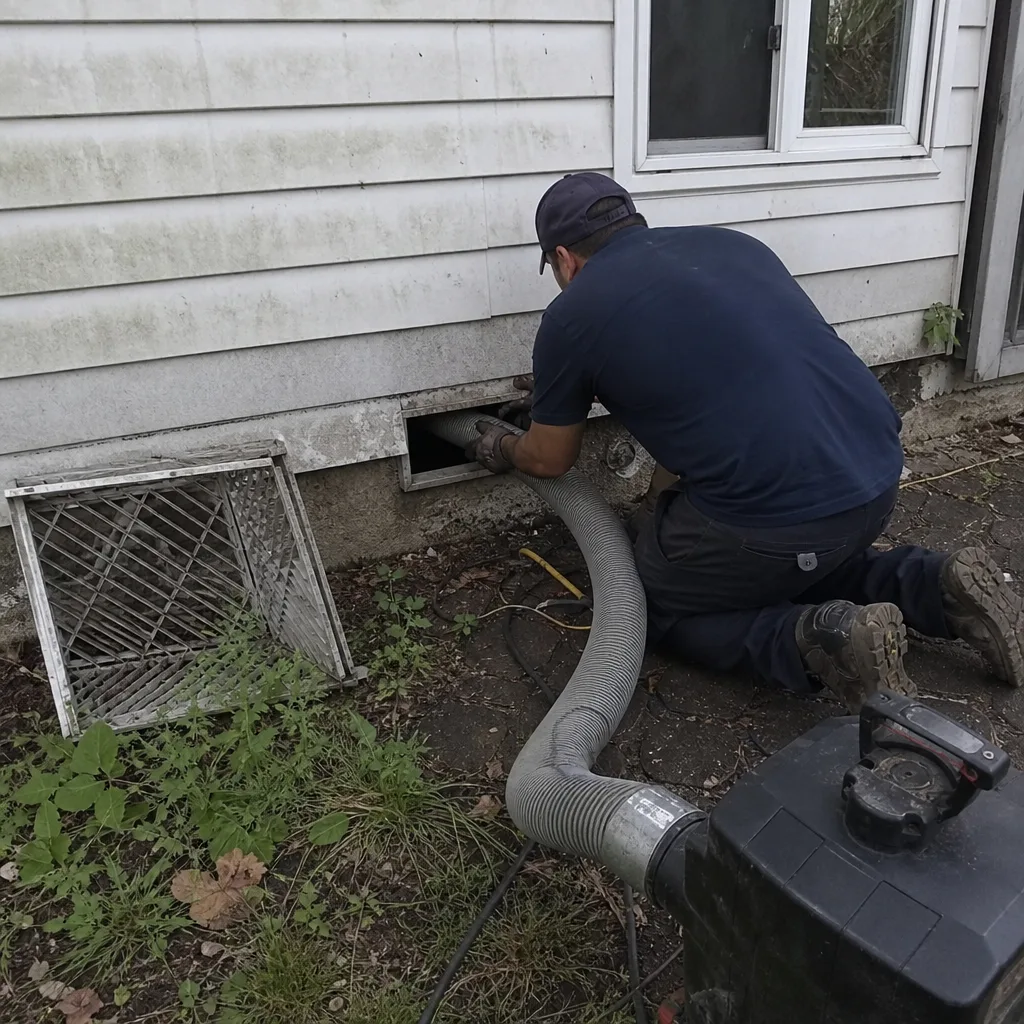 Before
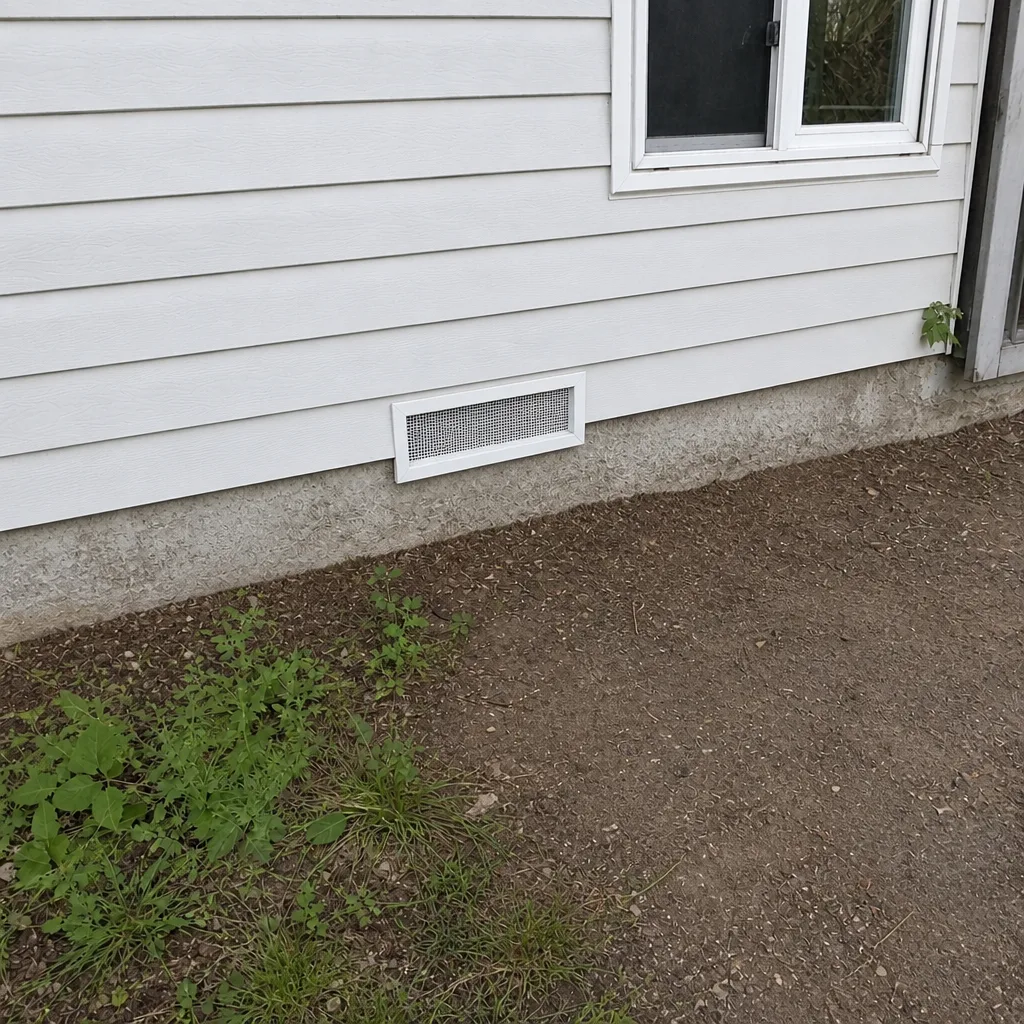 After
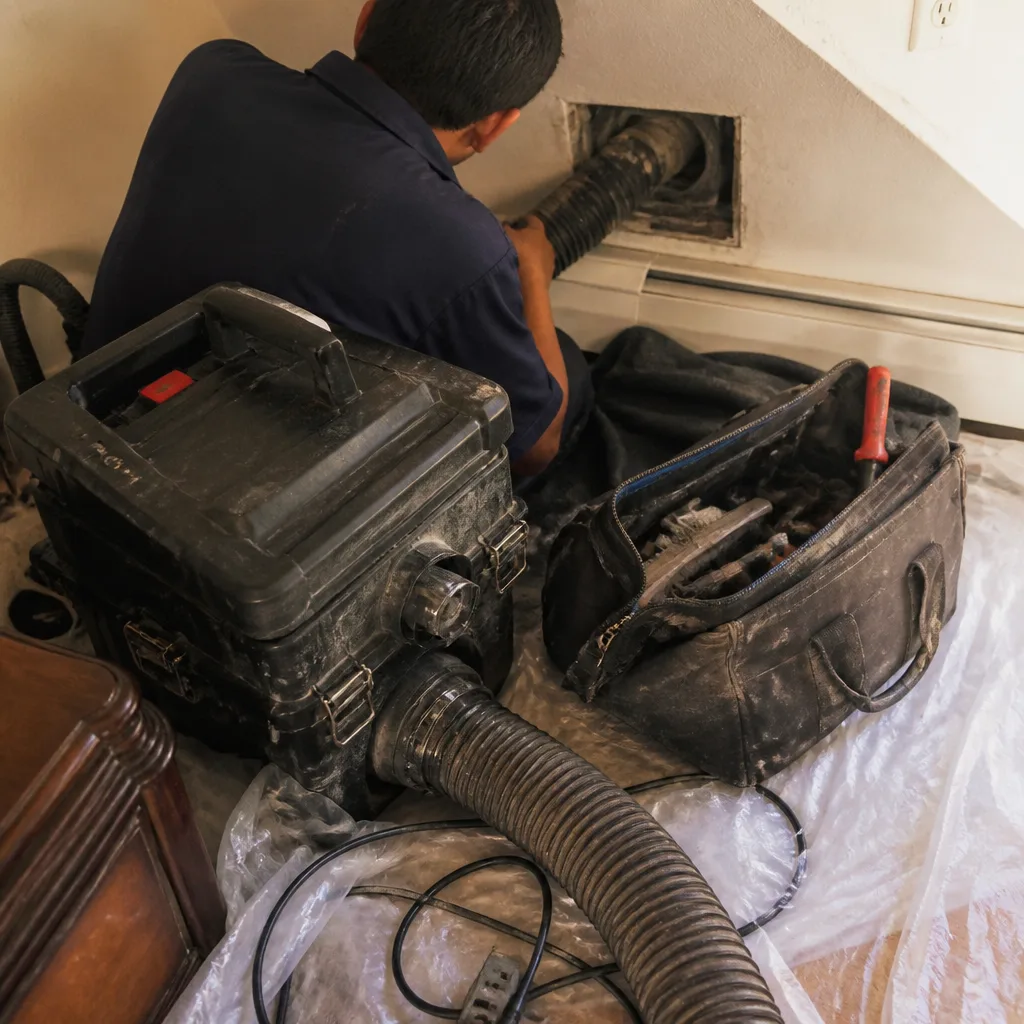 Before
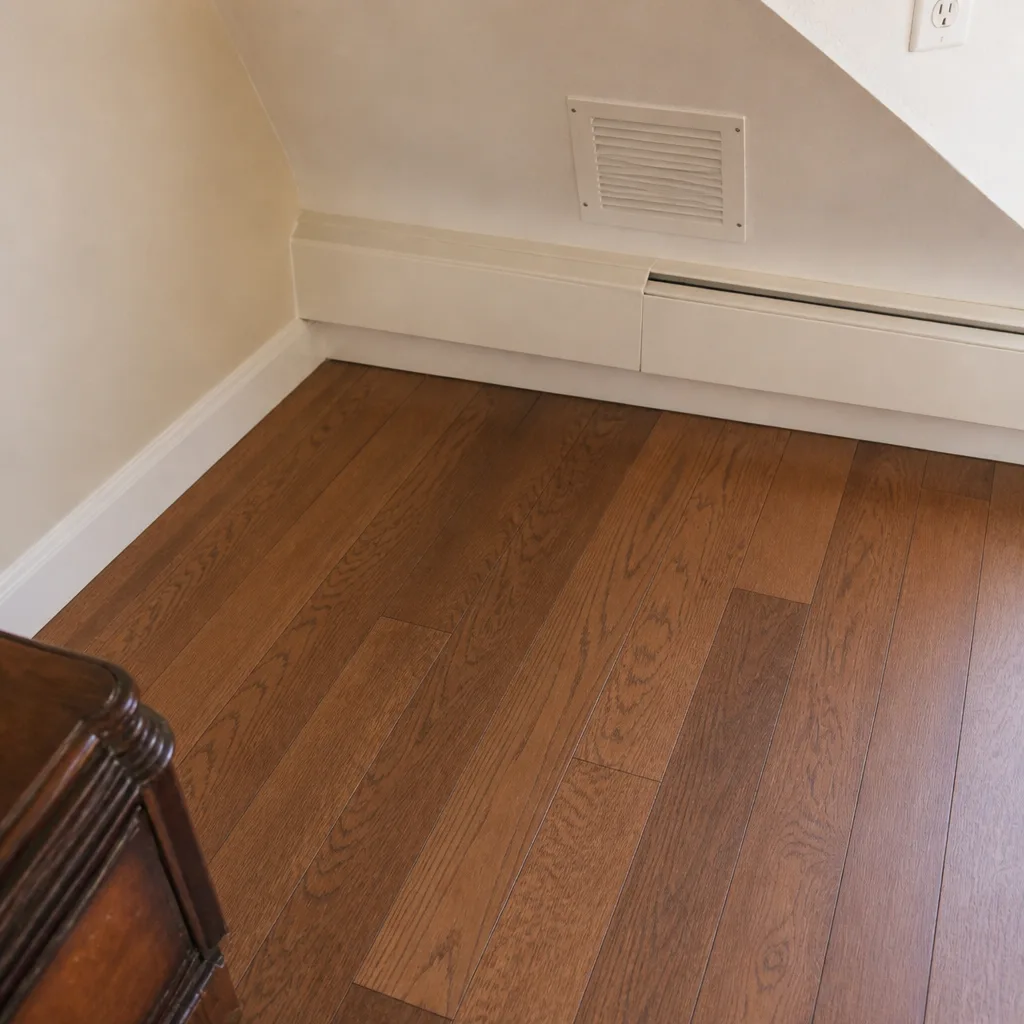 After
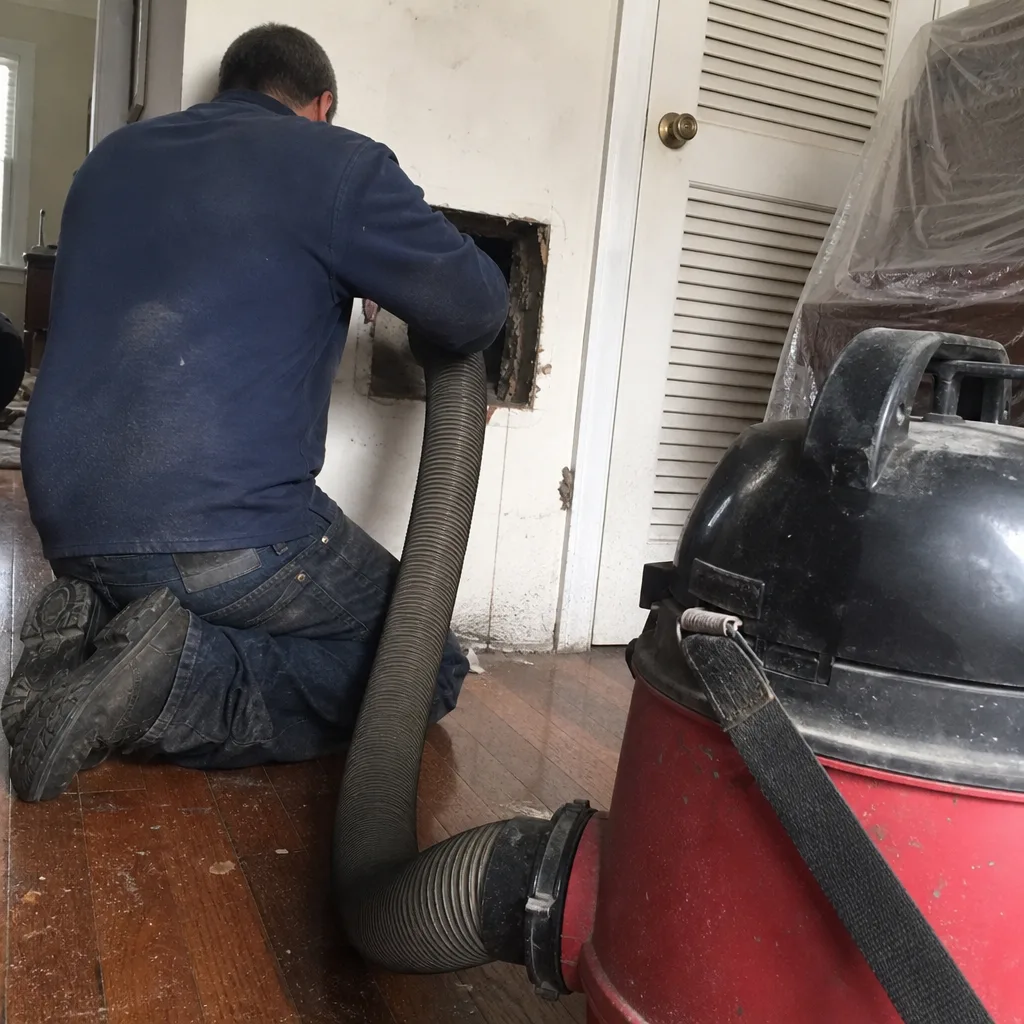 Before
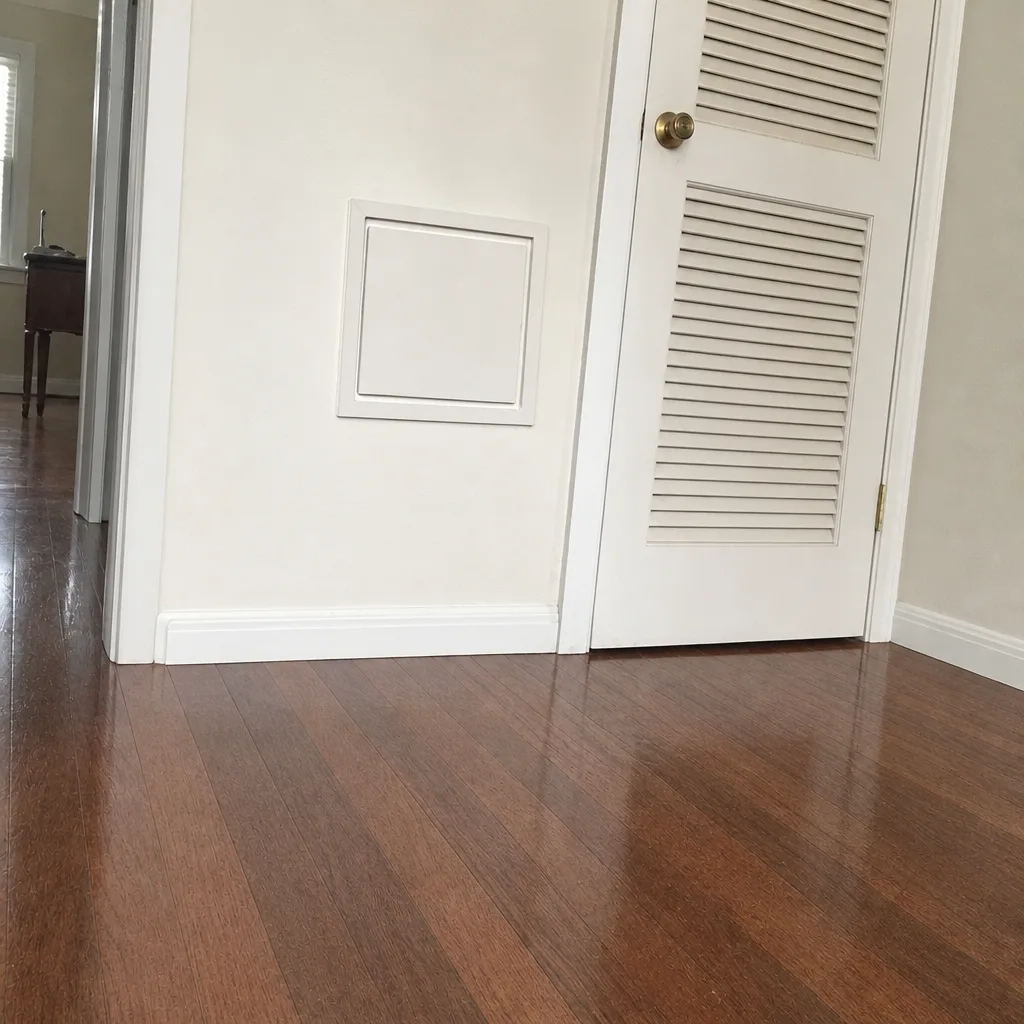 After
When to Call a Professional
Call a professional if the flashlight check shows dark growth or visible debris, if the odor appears only when the system runs, or if respiratory irritation clears when you leave and returns when you come home. Call if one register has noticeably weaker airflow than the others or if you can see moisture staining inside a duct or at a boot. Call if you’ve changed the filter and the dust returns within days. Those are the signals that separate a unit-level duct problem from ordinary house dust. Air Duct Cleaning Co-op City offers free estimates in Co-op City. Call (844) 443-4901. We answer 24/7. Fast dispatch from 7am to 7pm, Sunday through Friday.
Frequently Asked Questions
You need it if two or more warning signs appear together: dark growth or debris visible behind the register, an odor that appears only when the system runs, or respiratory irritation that improves when you leave the apartment. Any single sign can have another cause, but the combination persisting across seasons points to unit-level duct contamination. Call (844) 443-4901 for an exact quote. Estimates are free.
No. A musty smell is only a duct signal if it appears or worsens when the HVAC system runs. A constant smell that never changes with the system is more likely plumbing, damp insulation, or a moisture issue in a wall cavity. The timing test is the cleanest way to tell the difference before you spend money on cleaning.
Because a low per-vent quote often becomes a much larger invoice once the technician is on site, and because cheap equipment can’t do the job properly. A shop-vac at the register pulls surface dust but leaves the adhered layer on the duct wall. We agree one flat price per system before work begins and give you before-and-after photos of your own ducts. Call (844) 443-4901 for an exact quote.
There’s no fixed schedule that fits every home, and anyone quoting you a strict annual interval is guessing. The honest answer is that it depends on your system, your filter habits, and whether you have pets or allergies. For most Co-op City apartments, a professional inspection every few years is reasonable, and you clean when the inspection finds a reason to. Call (844) 443-4901 to book one. Estimates are free.
You ask for before-and-after photos of your own ductwork, taken on site, and you watch the equipment being used. A real cleaning uses contact agitation and HEPA capture, which you can see and hear working. If a technician can’t show you what came out of your ducts, you don’t have proof. We provide the photos as a standard part of the job.
It may reduce exposure to the contaminants inside your ductwork, which is one input among several, and it is not a medical treatment. If your symptoms follow the pattern described in this guide, cleaning removes a source that filters and purifiers can’t reach. If symptoms are severe or worsening, see a medical professional. Call (844) 443-4901 for an inspection and estimate. Estimates are free.
The Bottom Line
The warning signs in a Co-op City apartment are subtle, and the biggest risk isn’t missing them. It’s misreading them. Building-wide issues and unit-level duct contamination produce similar complaints but need completely different callers. Ask a neighbor, run the timing test on the odor, do the flashlight check behind the grille, and note whether irritation lifts when you leave. Those four steps settle most of the question. When the signs point at your own ducts, get an inspection before you buy another purifier or another filter. Clean ducts, sealed ducts, tested air: that’s the sequence that holds.
If you’d like a straight answer about your own unit, call Air Duct Cleaning Co-op City at (844) 443-4901 for a free estimate. We answer 24/7. Fast dispatch from 7am to 7pm, Sunday through Friday. Our technicians have up to 10 years of experience, and we’ll tell you plainly whether the ducts are your problem or somebody else’s.
Written by the team at Air Duct Cleaning Co-op City.