
Last updated November 25, 2026
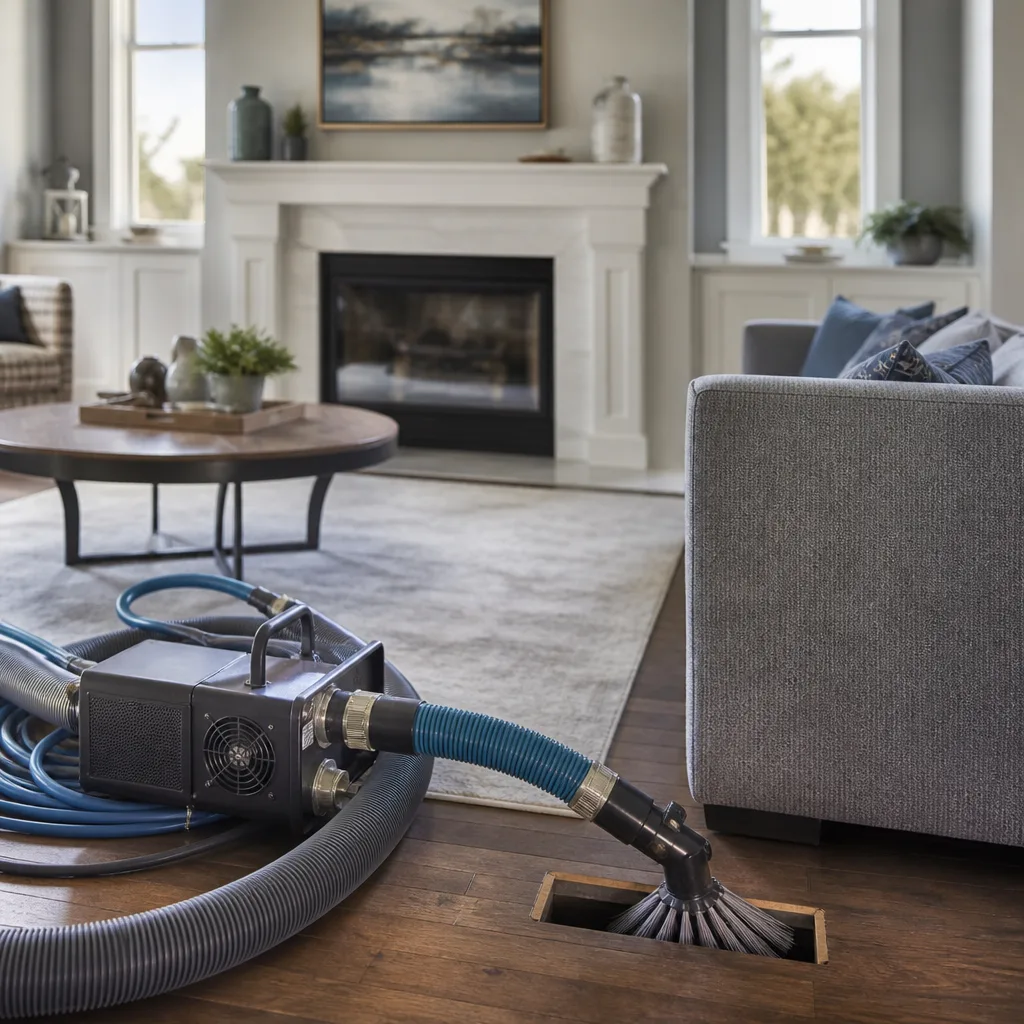 Whole-home duct cleaning
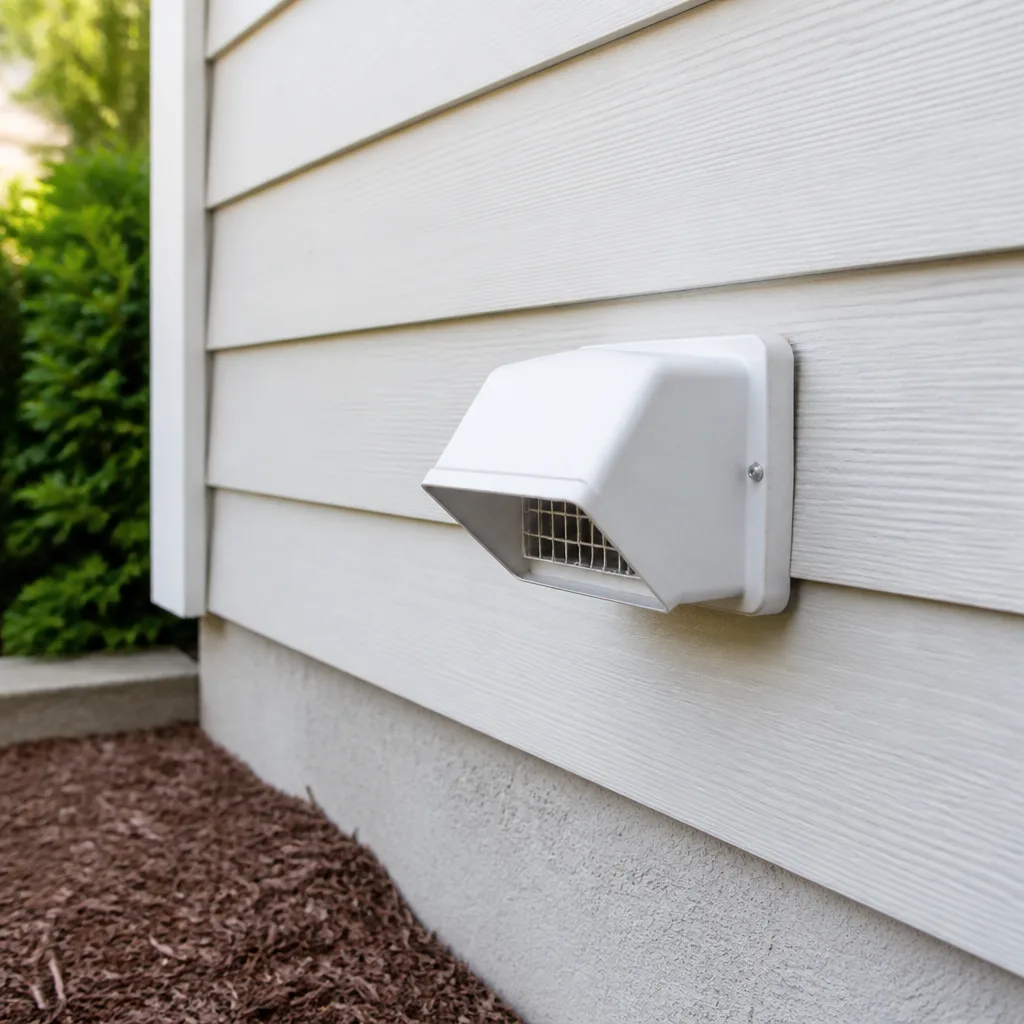 Dryer vent cleaning
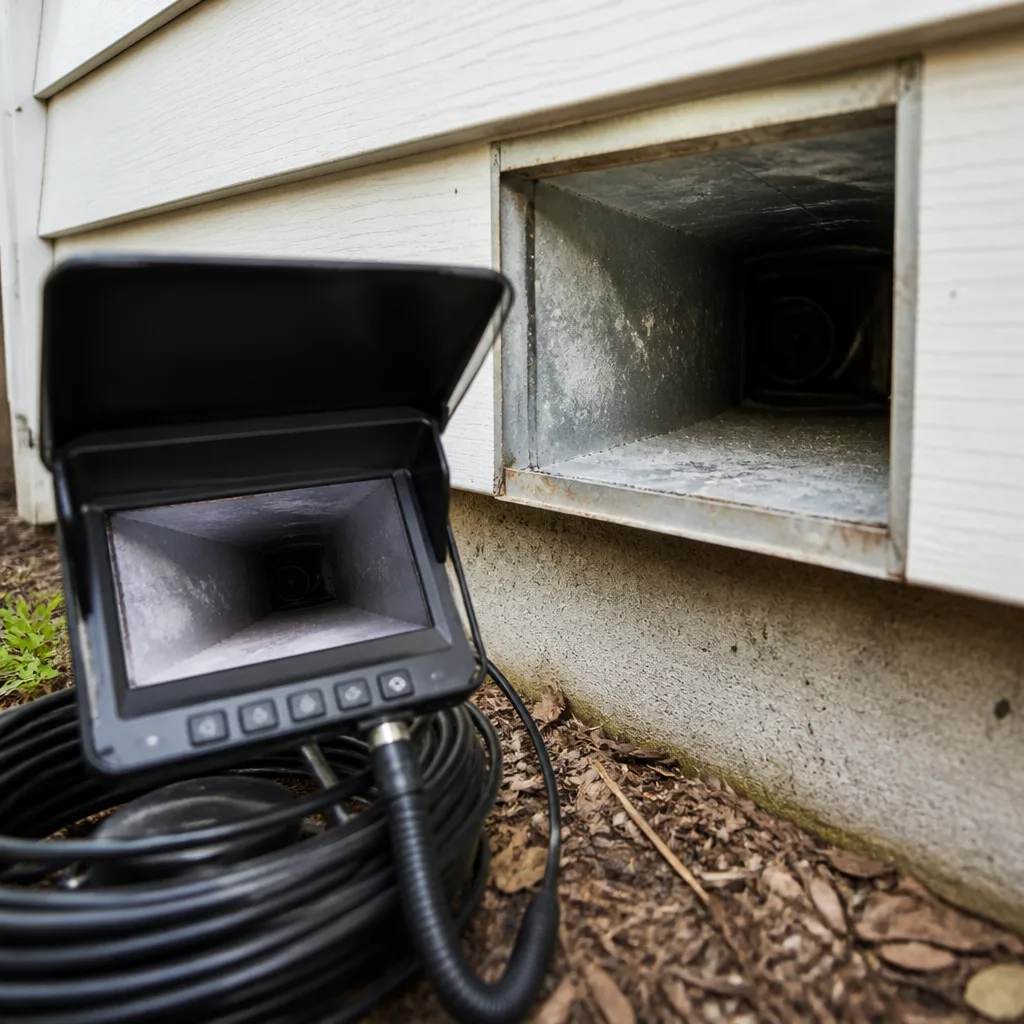 Camera inspection
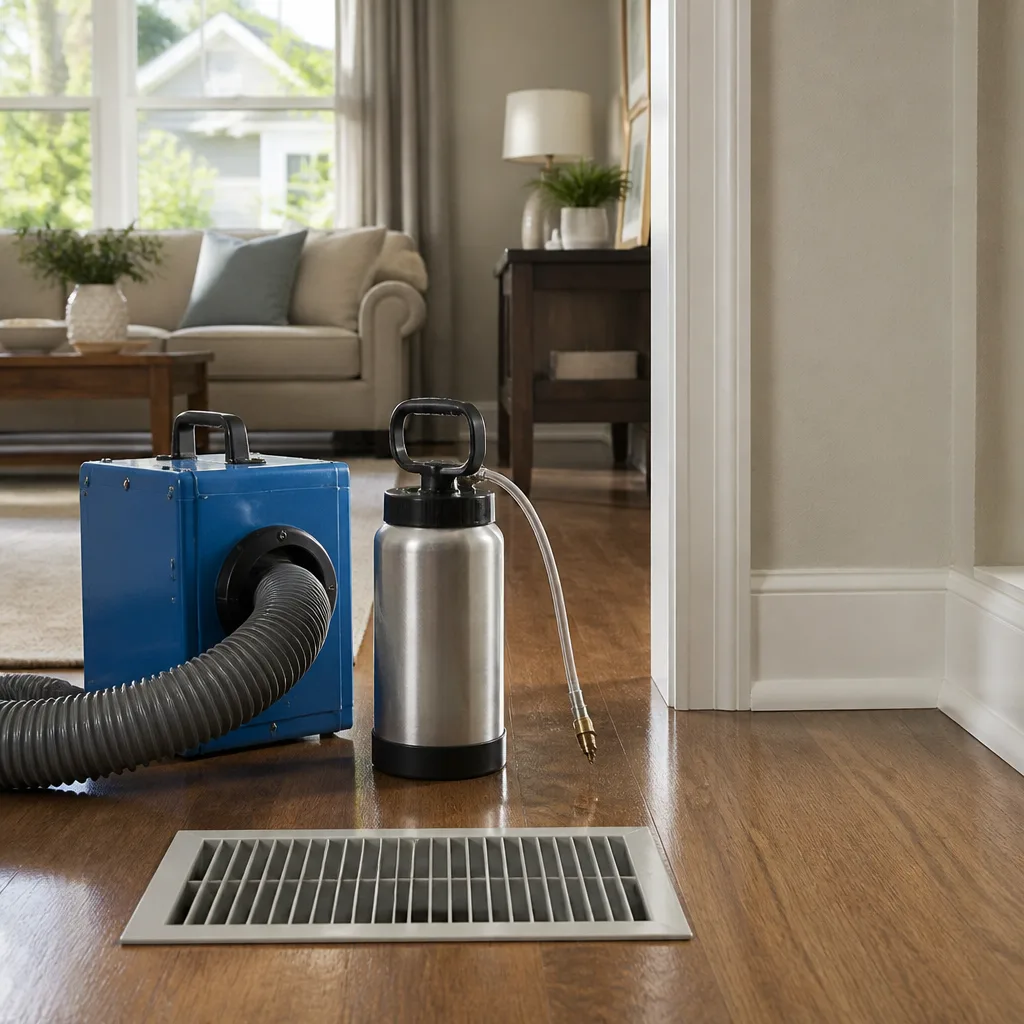 Sanitizing & deodorizing
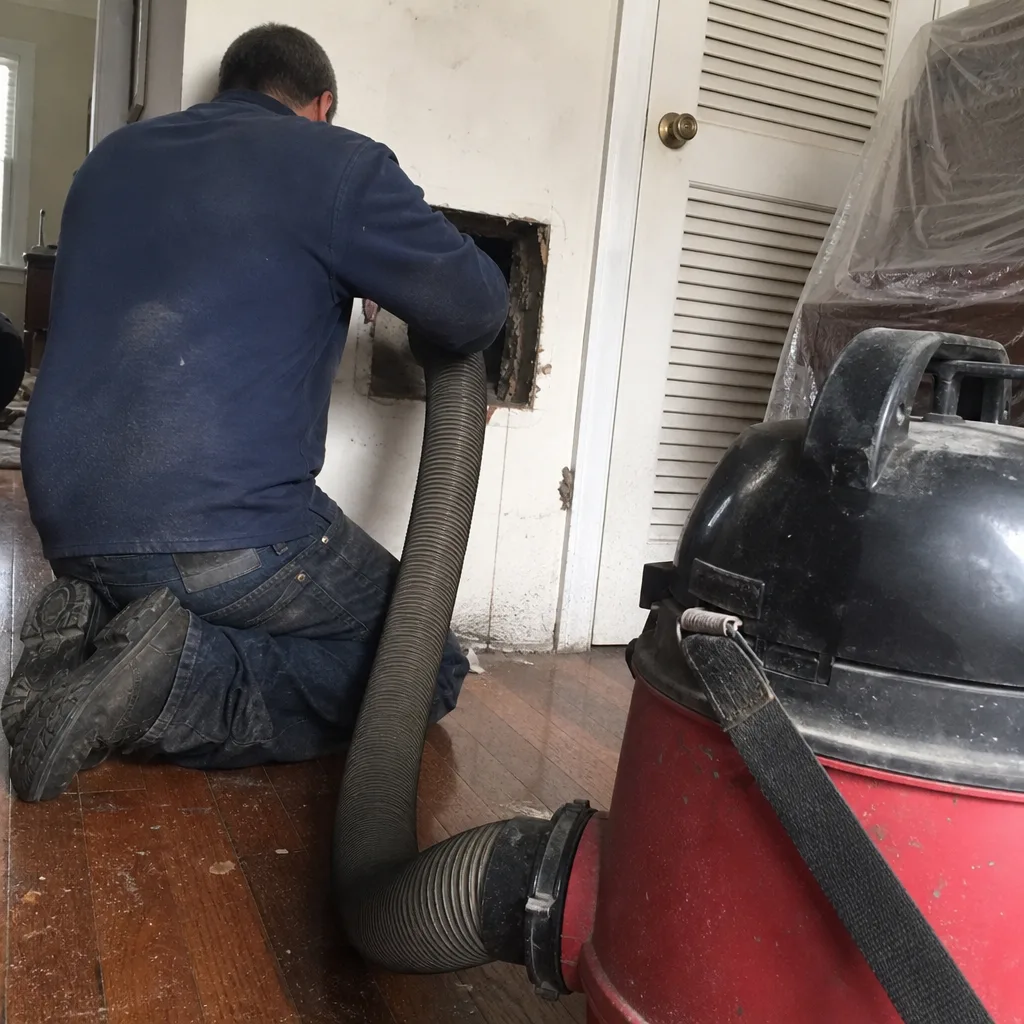
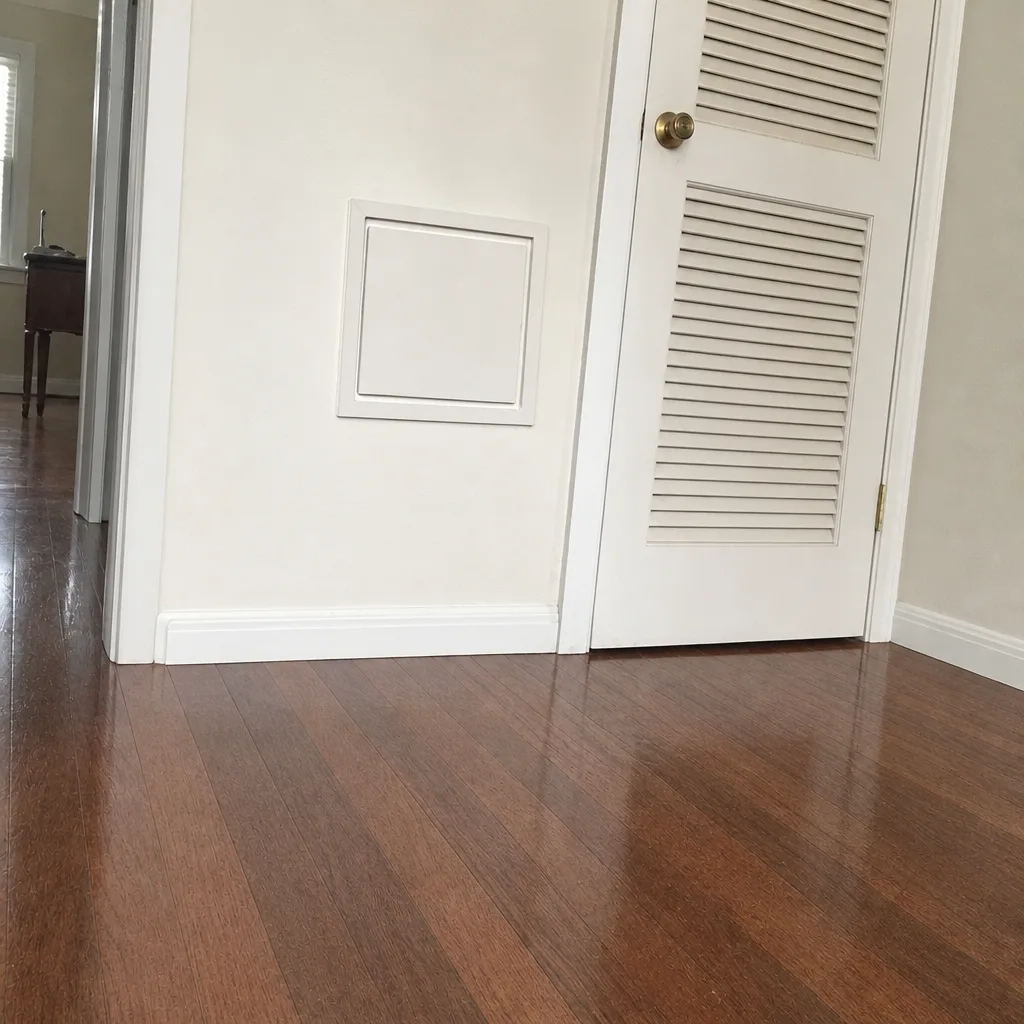
Whole-system duct and dryer vent check with before-and-after photos - you see exactly what came out of your vents
That "$99 whole-house special" is a bait ad - the real number appears once they are in your hallway, or the "clean" is a shop-vac at the register. We photograph the inside of your ducts before and after instead.
Air Duct Cleaning Cost Breakdown: The Co-op City Homeowner’s Reference for 2026
The two quotes in front of you are not the same job at two prices. A full-scope duplicate cleaning and a one-pass vacuuming of the visible vents can both be called “air duct cleaning,” and the number on the page is the only place the two ever meet. That’s the part nobody explains when the truck is already outside a Co-op City high-rise and the clipboard is waiting for a signature. Our aim in this reference is narrower than a general price list: we want you to be able to open any quote, find the missing line, and ask the contractor to explain it before you book. Once you can read a quote, the arithmetic stops being a mystery and starts being a checklist. At least, that’s how we treat it.
Quick Answer
A standard air duct cleaning in Co-op City generally runs $350 – $800 for a typical two- or three-bedroom apartment, with the final number shaped by duct linear footage, register count, and how easy the access is in your building’s service corridor. Full-scope jobs with sanitation, small-diameter flexible duct, or add-on services like dryer vent cleaning can move toward $1,000 – $1,400. Quotes under about $250 for a multi-room unit almost always mean the mechanical extraction step was cut, not that the contractor is being generous.
Styles & brands we work with
- Whole-home duct cleaning
- Dryer vent cleaning
- Camera inspection
- Sanitizing & deodorizing
Table of Contents
- Why the Same Apartment Gets Radically Different Quotes
- What Actually Drives the Price in a Co-op City Unit
- The Equipment Reality: Rotobrush and Nikro vs. a Shop Vac
- A Line-by-Line Breakdown of a Full-Scope Job
- Legitimate Add-Ons vs. Upsells
- How to Use Competing Quotes as a Vetting Tool
- Access, High-Rise Logistics, and the Co-op City Factor
- Common Mistakes to Avoid
- When to Call a Professional
Why the Same Apartment Gets Radically Different Quotes
When a Co-op City resident forwards us three quotes for the same two-bedroom unit, the gap is rarely a pricing disagreement. It’s a scope disagreement wearing a price tag. A cheap quote might cover only the supply vents and skip the returns entirely. A mid quote might include agitation but not negative-air extraction, which means debris gets loosened and then simply re-settles where it started. A higher quote usually includes documentation, a sanitation step, and the awkward work of pulling apart the air handler so the coil and blower get attention.
Three things get cut when a number drops sharply:
- The extraction phase. A HEPA-rated vacuum held under negative pressure for the length of the job is the single largest time and equipment cost on a legitimate invoice. Remove it and the price drops fast.
- Component coverage. Vents alone are a fraction of a system. The supply trunks, return trunks, plenum, coil, and blower are the parts that hold the residue that nobody sees.
- Documentation. Before-and-after photographs, a written summary of what was extracted, and a walkthrough with the homeowner take time. They also make a job verifiable after the truck leaves.
If you live in Co-op City and have ever had a technician spend twenty minutes and then hand over a bill, you already know which category of quote that fell under. The fix isn’t to chase a lower number. It’s to insist every quote you compare describes the same five things: inspection, agitation, extraction, sanitation, and proof.
What Actually Drives the Price in a Co-op City Unit
Price in this trade is mostly a function of how many things a technician has to touch. A studio apartment with a single compact air handler and four registers is a fundamentally different job from a three-bedroom unit with longer duct runs, a return trunk that snakes up behind a wall, or a ducted layout that splits across the ceiling plenum. When we talk about “linear footage of ductwork,” we mean the total length of every run a brush has to travel, not the square footage of the apartment.
The variables that move the number most in Co-op City homes:
- Register count. Every supply and every return gets cleaned, sealed, and photographed. Count both.
- Duct configuration. Long, rigid, straight runs are faster and cleaner to work. Tight turns, short flexible runs, and ducts that pass through a shared corridor or down interior walls add time.
- Flexible vs. rigid duct. Flexible duct has a ribbed interior that traps debris in its corrugations and needs a gentler brush to avoid tearing the liner. Rigid galvanized duct is more forgiving.
- Air handler location. A unit tucked into a closet at floor level is easy. One mounted high in a hallway soffit or behind a removable panel needs ladders, drop cloths, and patience.
- Building access. Freight elevator scheduling, service corridor entry, and the distance from the loading area to the apartment all factor into time.
- Condition of the system. A unit that has never been cleaned, or that sits above a cooking kitchen with heavy grease vapor, takes longer than one cleaned a few years ago.
That’s why no honest contractor should quote a flat number by phone and call it final. A per-vent price is a red flag for the same reason: it prices the easiest part of the job and leaves the hard part invisible. The number should be agreed per system after a look at the actual unit, then written down before work starts.
The Equipment Reality: Rotobrush and Nikro vs. a Shop Vac
Here’s the part most quote comparisons never reveal: the difference between a $200 job and a $600 job is largely a piece of equipment that never appears in the sales pitch. A rotary-brush system agitates debris from the walls of the duct with a spinning brush head that follows the duct run. A HEPA-rated negative-air vacuum holds the extraction end under pressure so what gets loosened gets captured instead of recirculated through your apartment. Both are substantial machines. Neither fits in a folding cart, neither runs quietly, and both are what separates cleaning from scattering.
Our technicians run Rotobrush contact-cleaning systems and Nikro HEPA-rated vacuums, and we can tell you plainly why: a rotary brush loosens what a straight wand can’t reach, and a HEPA vacuum holds the pressure balance so the debris that comes off stays captured. When debris is agitated without proper extraction, it goes into the air of your home, settles on your furniture, and often gets redeposited into the same ducts over the following weeks. That’s the reason a cheap cleaning can genuinely make indoor air quality worse for a household member with asthma or allergies.
Our full-service scope is five tasks under one roof – air duct cleaning, dryer vent cleaning, HVAC cleaning, duct repair and sealing, and air quality and sanitizing – because a duct job done well exposes related work that a single-trade contractor can’t finish. We clean what others miss and seal what lets it back in. If a quote you’re comparing doesn’t name its equipment, ask. The answer tells you what kind of job you’re actually buying.
A Line-by-Line Breakdown of a Full-Scope Job
Below is the structure of a legitimate full-scope duct cleaning in a Co-op City apartment, in the order a professional crew would perform it. Every step costs labor and equipment time, and every step is a place where a cheaper quote can quietly skip.
- Inspection and cover removal. A walkthrough of every register, the return grille, the air handler, and visible duct runs. Covers come off and get set aside. Any damage, disconnected duct sections, or microbial growth is noted for the written summary.
- Agitation. Rotary-brush contact cleaning of every duct run, plus hand work at the plenum and the boots behind each register. This is the step that dislodges the settled debris from the duct walls.
- Negative-air extraction. The HEPA vacuum sits at a strategic point in the system holding negative pressure while the brushes work. Patches of dust that break loose get pulled toward the vacuum, not into the living room.
- HVAC component cleaning. The coil, blower wheel, and interior of the air handler are cleaned separately. This is HVAC cleaning, and it’s often skipped in low-bid quotes because it’s the slowest and dirtiest part of the job.
- Sanitation and air scrubbing. A Guardsman-backed antimicrobial treatment applied to the duct interior, with an Abatement Technologies air scrubber running through the apartment to capture airborne particulates before the covers go back on. This step is separate from cleaning; they solve different problems.
- Documentation. Before-and-after photographs of each register and the air handler, a written summary, and a walkthrough of anything flagged for follow-up repair.
Estimates are free before you book, and the final price is set per system by the written estimate. If your quote covers all six steps, you can reasonably expect a number in the full-scope range. If it covers two, you’re paying for a fraction of the work.
Legitimate Add-Ons vs. Upsells
Some add-ons are genuinely worth the space on the invoice in a Co-op City apartment. Others exist because the technician is trained to sell them and the room is quiet. Knowing which is which protects your wallet and your air quality alike.
Worth the cost
- Dryer vent cleaning. Lint is the leading cause of dryer fires, and the vent run on a high-rise unit is often longer and more hidden than what a homeowner can see from the back of the dryer. We treat dryer vent cleaning as a safety service, not an airflow upgrade. The fire risk argument alone justifies it.
- Duct repair and sealing. If the inspection finds disconnected sections, torn flexible duct, or unsealed joints, sealing them is a real fix. Leaky ducts pull dust from unconditioned spaces and waste conditioned air.
- Antimicrobial sanitizing after active moisture or contamination. When the inspection shows growth on the coil or in a duct that has seen moisture, the sanitation step earns its place. Doing it routinely on a clean system is closer to ceremony.
- A post-cleaning air scrub. Running an Abatement Technologies air scrubber through the apartment after the job finishes reduces airborne particulate count and is a reasonable upgrade in a household with respiratory sensitivities.
Usually upsells
- Ultraviolet lights sold as a cure-all. A UV light in a dirty system is a poor use of money. Clean first, then decide.
- A “whole-home air purifier” installed on the spot. Legitimate equipment exists, and if you want one, it deserves a deliberate choice, not a same-visit impulse buy. Familiarity with Aprilaire and Honeywell equipment is useful precisely so a technician can advise on what your existing system is set up to accept.
- Coupon-priced “system sanitizing” that isn’t a separate step. If sanitizing is bundled invisibly into a low base price, it’s not really being done.
- “Deodorizing fogging” as a solution to a smell. Odor usually points to a moisture or contamination source. The cleaning is the fix; a fogger just masks the symptom.
How to Use Competing Quotes as a Vetting Tool
The most useful thing you can do with three quotes is not pick the middle one. It’s compare them line by line and ask the low bidder what they left out. Here’s a specific exercise worth the ten minutes.
- Write down the six steps from the line-by-line section above on a piece of paper. Ask each contractor to point to where each step appears in their quote.
- Ask what equipment they’ll bring. If the answer is “a shop vac,” the quote isn’t for the same job. A rotary-brush system and a HEPA-rated vacuum are the baseline, not the luxury option.
- Ask how many registers they’re cleaning. Count yours first. The supply and return count should appear explicitly in the quote.
- Ask what documentation you’ll receive. Before-and-after photographs and a written summary should be standard, not a favor.
- Ask the low bidder why they’re lower. Listen for a specific reason. “We’re just competitive” without a scope difference usually means something got cut.
- Ask what happens if they find a disconnected duct. A crew with repair capability has a straightforward answer. A crew without it will tell you it’s not their area.
- Ask what the written estimate covers – and confirm it’s per system, not per vent.
If you want a Co-op City-specific starting point, our air duct cleaning service page lays out the scope we estimate against. Use it as a cross-reference for whatever quotes are on your table.
Access, High-Rise Logistics, and the Co-op City Factor
Co-op City’s building stock shapes the cost of any service, and duct cleaning is no exception. High-rise co-op buildings mean service elevators, delivery windows, building management coordination, and a much longer walk from the loading point to the apartment door than a single-family house. Every minute of that logistics shows up in a legitimate estimate, and none of it should appear as a surprise line on the final invoice.
Practical details that affect price and planning:
- Elevator scheduling. Larger buildings often require advance scheduling for equipment moves. If the crew is carrying a HEPA vacuum and a rotary-brush case, the freight elevator is the only way up.
- Service corridor access. Some duct runs enter through a corridor or shared soffit. That’s normal in high-rise construction, and it adds time relative to a clean interior access point.
- Stacked apartments with shared plenum space. Neighboring units in some layouts share ductwork proximity, which is worth mentioning at booking so the crew allocates time properly.
- Winter heating season. Co-op City spends a meaningful part of the year with the heat running. That matters because a heated system circulates more air and pulls more dust out of the ducts, so a December cleaning and a June cleaning on the same quiet system show different levels of accumulation.
- Building management paperwork. Some co-op boards require the technician to be on a vendor list or provide documentation of insurance. Have that conversation at booking, not at the door.
None of these factors is exotic. But when a quote is written by a generalist who hasn’t worked in a high-rise co-op before, they tend to be omitted and later show up as “extra.” Ask before booking.
See the difference
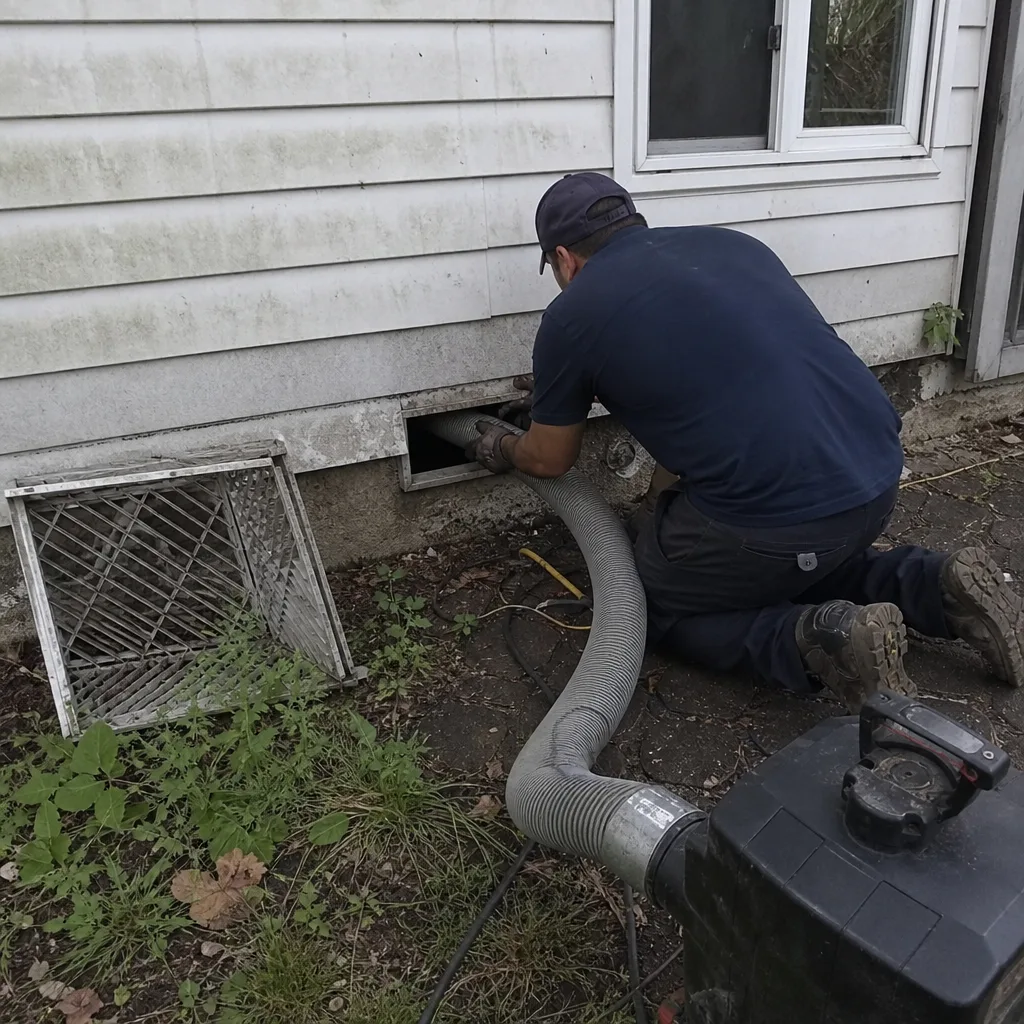 Before
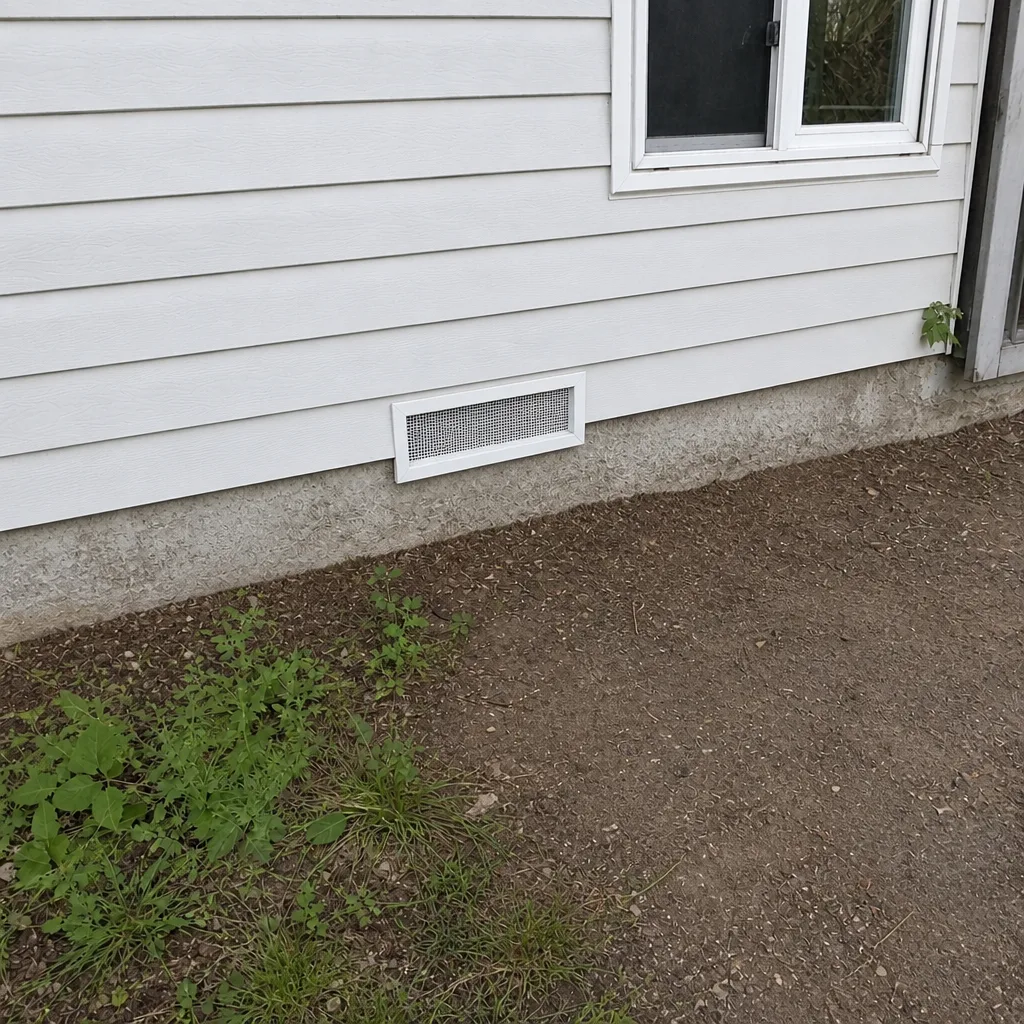 After
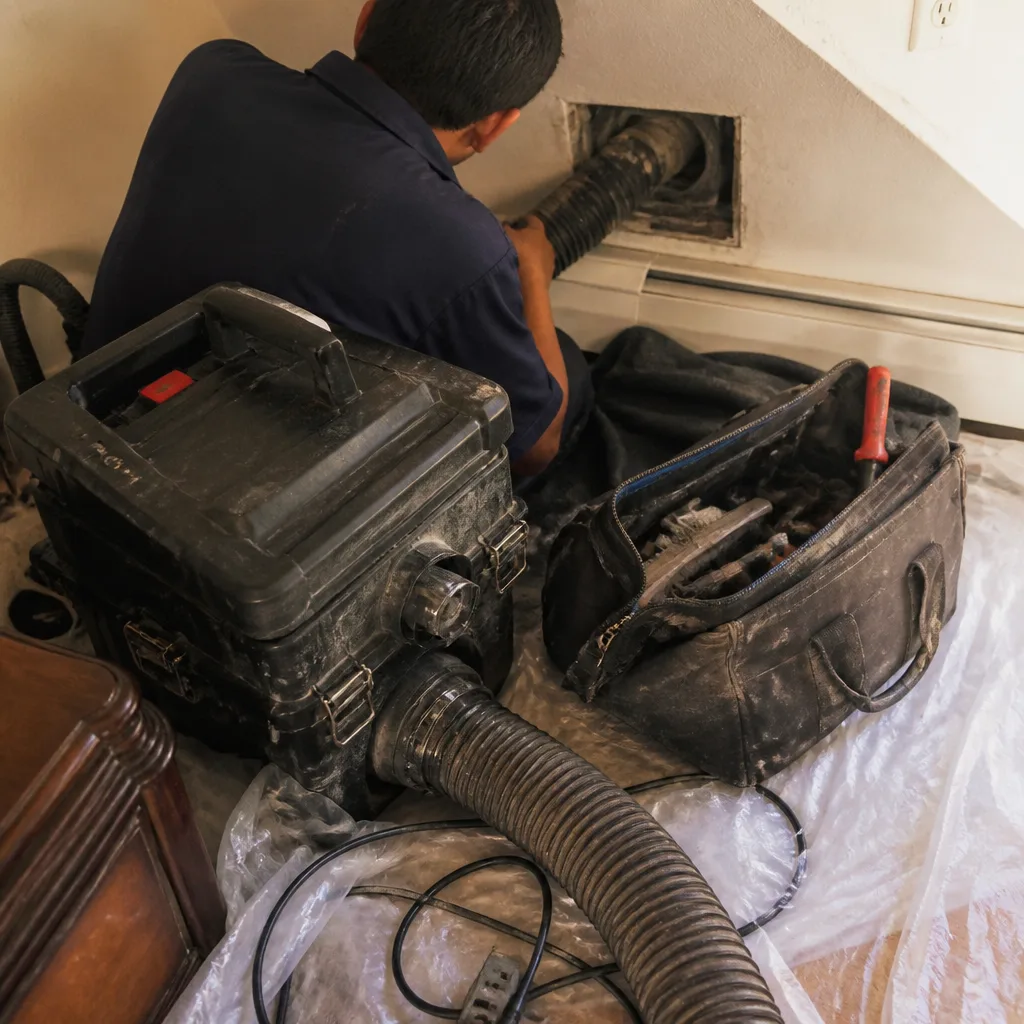 Before
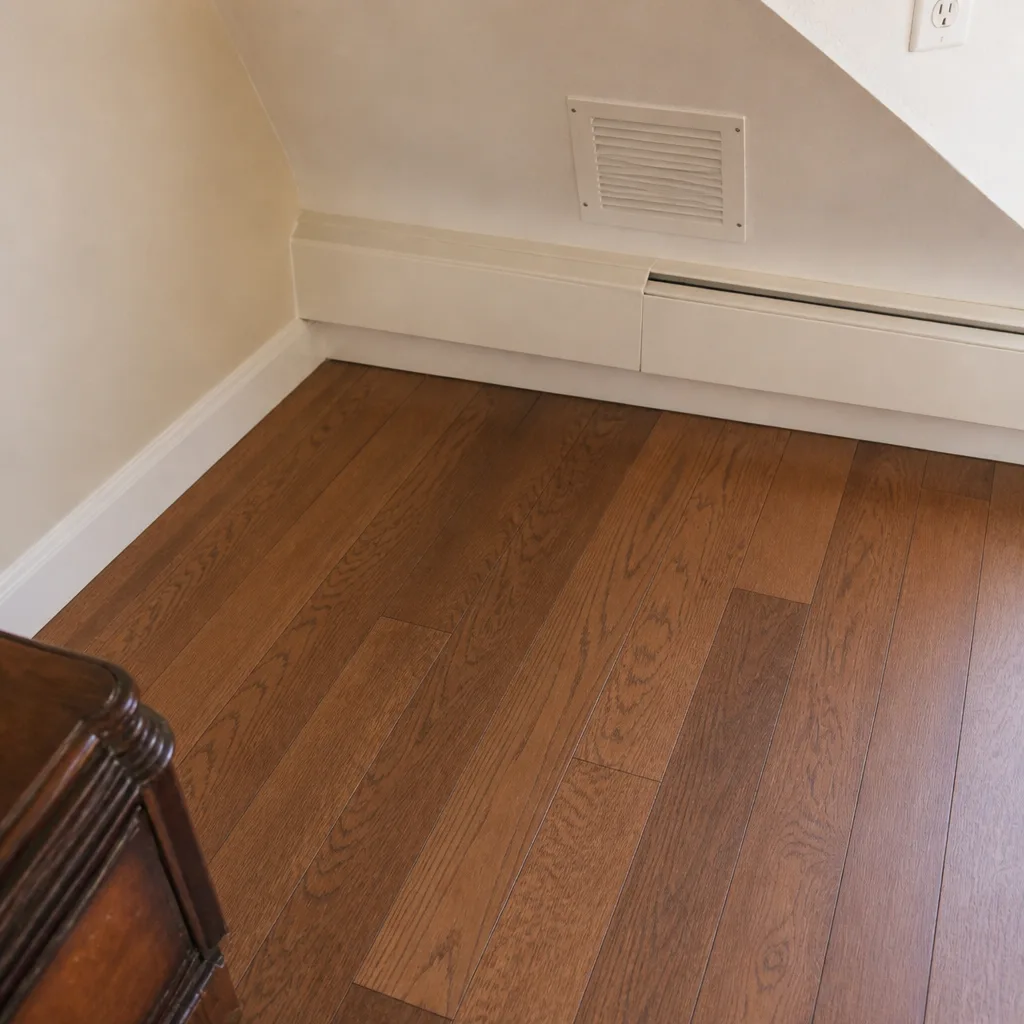 After
 Before
 After
How Often Does It Really Need Doing?
There’s no universal schedule. The honest answer depends on your household, the state of your system, and what the last inspection found. A rough guide for Co-op City apartments:
- Every 3 to 5 years for a system that has been professionally cleaned and sealed, with a clean inspection.
- Every 2 to 3 years for a household with pets, a smoker, or a resident with asthma or allergies who is sensitive to airborne particulate.
- Sooner if you notice visible dust streaks at the registers, a musty smell when the heat comes on, or an unexplained rise in allergy symptoms during heating season.
- Immediately after a renovation, or after any water intrusion that reached the ductwork.
A proper cleaning includes a written summary of what was extracted, which makes the next interval an informed decision rather than a blind guess. Without that documentation, “every three years” is just a number someone made up.
Common Mistakes to Avoid
- Booking on price alone. The lowest quote is usually the smallest scope. Read the scope first, then compare the numbers.
- Accepting a per-vent price. A per-vent number is designed to look small while pricing only the easy part. Ask for a total per system.
- Paying before the job is finished. A written estimate per system, agreed before work starts, protects you. Payment after the walkthrough is the standard.
- Skipping the air handler. Clean ducts feeding a dirty coil and blower will look dirty again quickly. HVAC components are part of the job.
- Ignoring the dryer vent. In a Co-op City high-rise, the dryer vent run is often long, hidden, and overdue. Treat it as fire safety, not airflow tuning.
- Assuming a “sanitizing” line item equals actual sanitizing. If it’s bundled invisibly into a low price, it’s probably not a real step. Ask what product, applied how.
- No before-and-after photographs. If you can’t see evidence that the ducts inside your walls were cleaned, you have a promise, not a result.
When to Call a Professional
Some situations are worth a phone call before the next heating season rather than after. Call a professional if you notice visible dust blowing from a register, a musty smell when the heat or AC kicks on, a rise in allergy symptoms that tracks with the system being on, or a dryer that takes noticeably longer than it used to. Call immediately if you see a disconnected duct section, torn flexible duct, or any indication of moisture inside the ductwork – the last thing you want on a high-rise system is mold spores being distributed through your apartment and into the shared spaces. And call if a prior contractor “cleaned” the ducts without documentation – a second opinion on a job with no proof is a reasonable use of time.
Air Duct Cleaning Co-op City offers free estimates in Co-op City. Call (844) 443-4901. We answer 24/7, with fast dispatch from 7am to 7pm, Sunday through Friday.
Frequently Asked Questions
For a typical Co-op City two- or three-bedroom apartment, expect a full-scope air duct cleaning in the $350 – $800 range, and up to roughly $1,400 when the job includes sanitizing, duct repair, or a dryer vent add-on. The written estimate sets the final number, and it’s per system, not per vent. Call (844) 443-4901 for an exact quote – estimates are free.
Cheap quotes usually omit mechanical agitation, negative-air HEPA extraction, or air handler cleaning, which are the slowest and most equipment-intensive parts of the job. What’s left is a surface pass over the visible vents. Ask the low bidder to explain the gap – if they can’t point to a specific scope difference, something was cut.
Ask for before-and-after photographs of each register and the air handler, plus a written summary of what was extracted and anything flagged for repair. A crew that documents its work is expecting you to check, which is exactly what you should do. Call (844) 443-4901 for an exact quote – estimates are free.
For a system that shows visible dust at the registers, a musty odor when the heat starts, or a household member with asthma or allergies, a proper full-scope cleaning is worth doing. For a system cleaned and sealed a few years ago that inspects clean, it isn’t urgent. Let an inspection tell you which one you have.
Yes. Our full-service scope covers air duct cleaning, dryer vent cleaning, HVAC cleaning, duct repair and sealing, and air quality and sanitizing in a single visit. Cleaning ducts but leaving a dirty coil and blower behind is half a job, and it will look dirty again sooner.
Sanitizing is a distinct service step priced separately from base cleaning, because a legitimately applied antimicrobial treatment is a separate task, not a spray of the vent covers. If your quote lists sanitizing as a bundled freebie in a low base price, ask what product is used and how it’s applied.
Yes – equipment moves need elevator access, and some buildings require vendor documentation. Mention your building at booking so the crew allocates time for the move and any service corridor access. Call (844) 443-4901 to plan a visit.
Duct repair and sealing are part of our scope, so a disconnected section or torn flexible run found during the inspection can usually be addressed on the same visit or scheduled as a follow-up. Ask the technician to show you the damaged section before it’s repaired.
The Bottom Line
The number on a duct cleaning quote isn’t a quality signal on its own. What matters is which of the six steps the quote describes: inspection, agitation, extraction, HVAC component cleaning, sanitation, and documentation. A Co-op City apartment cleaned with a rotary-brush system and a HEPA-rated vacuum under negative pressure costs meaningfully more than a shop-vac pass, and the difference shows up in what’s captured versus what’s scattered. Use the line-item checklist above as your comparison tool. Insist on a written estimate per system, before-and-after photographs, and a walkthrough before you pay. Do that, and no quote will surprise you again.
Call (844) 443-4901 for a free estimate. We answer 24/7, with fast dispatch from 7am to 7pm, Sunday through Friday.
Written by the team at Air Duct Cleaning Co-op City.