
Last updated November 25, 2026
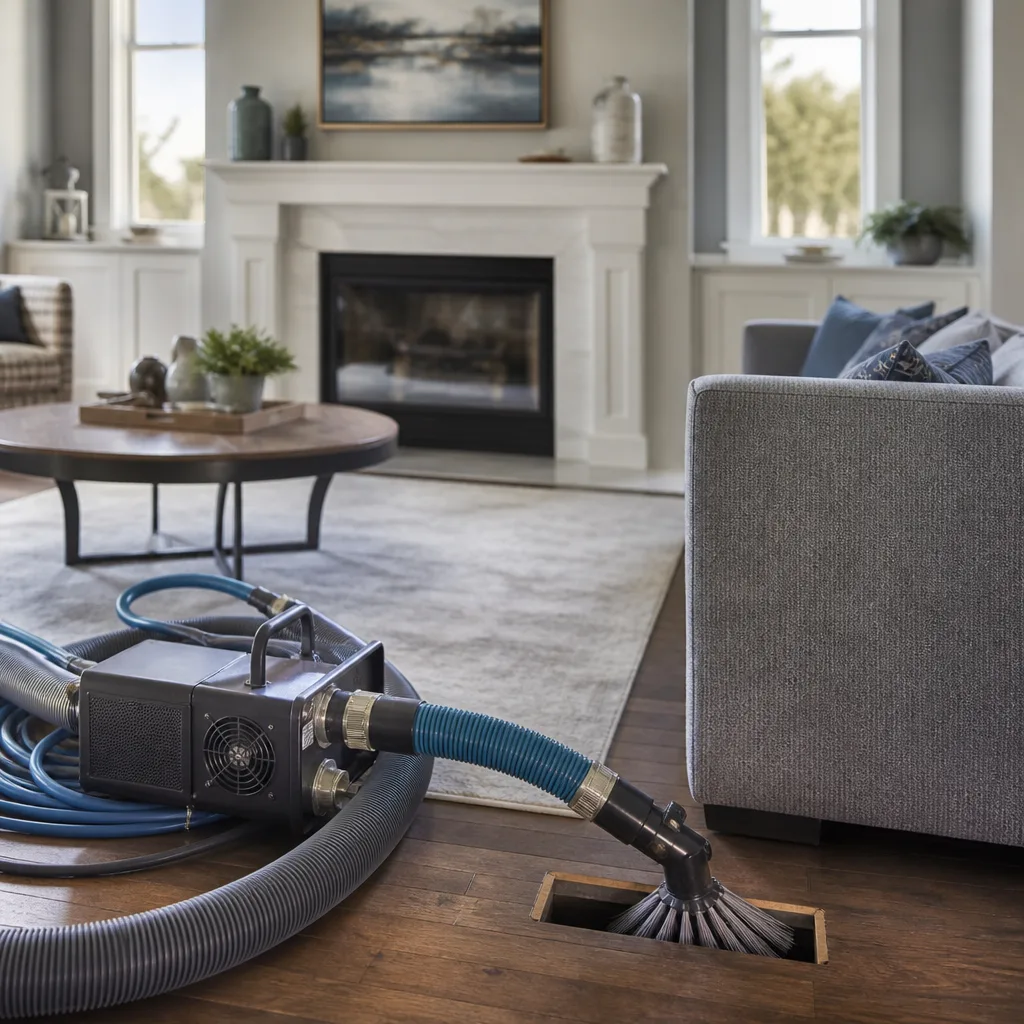 Whole-home duct cleaning
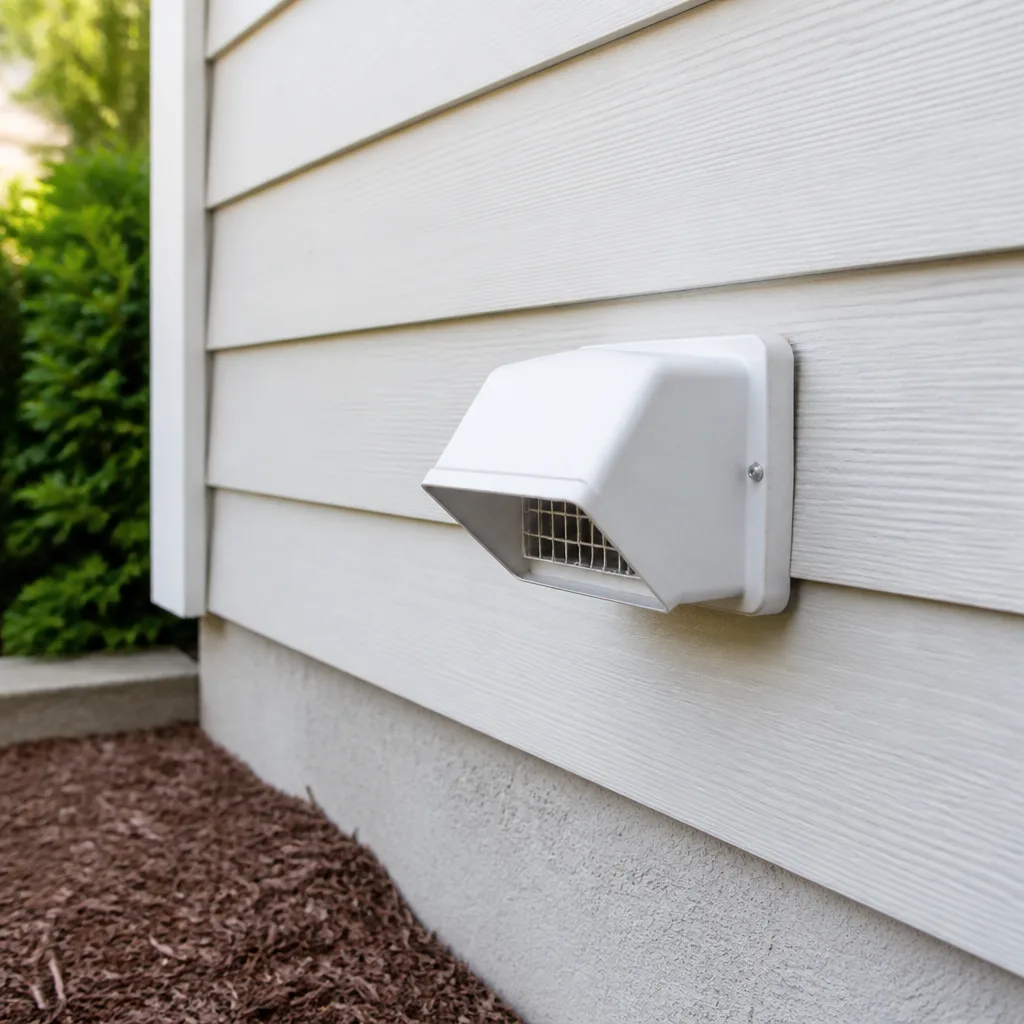 Dryer vent cleaning
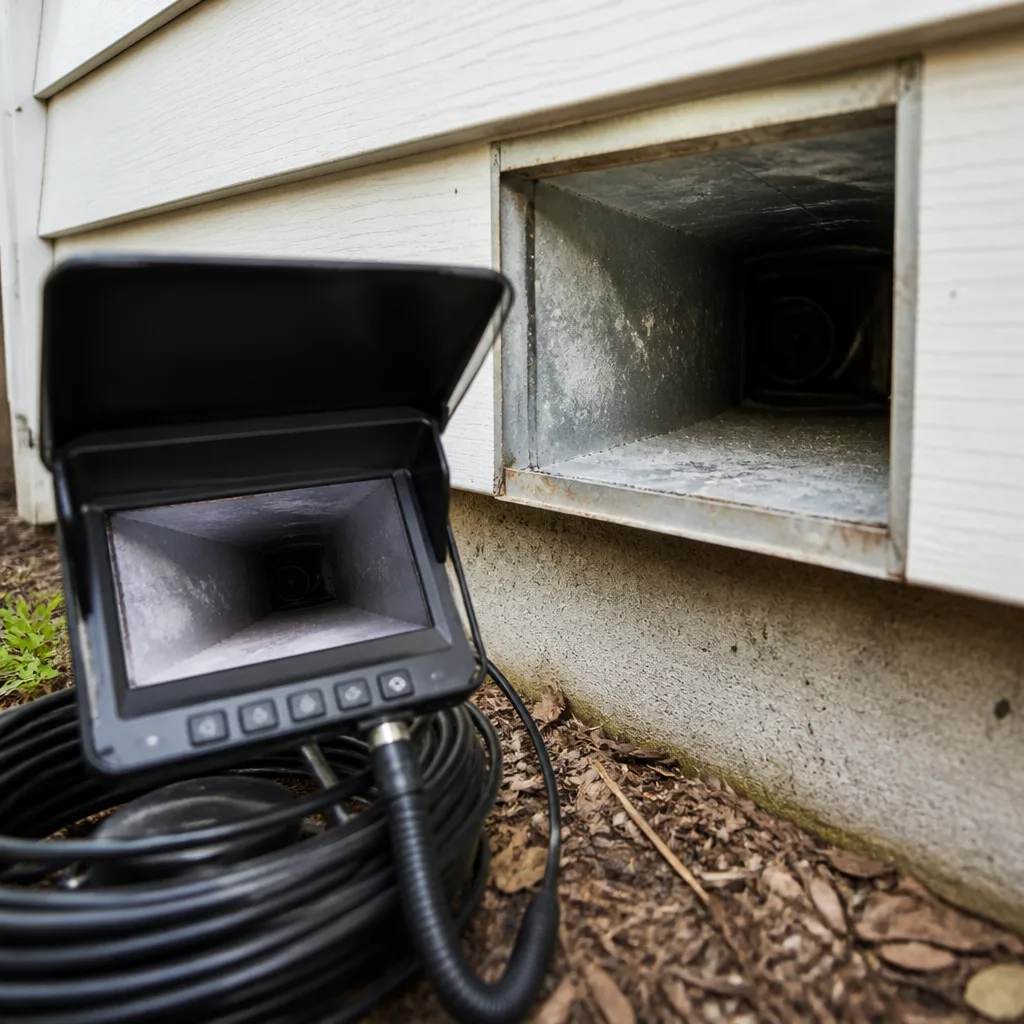 Camera inspection
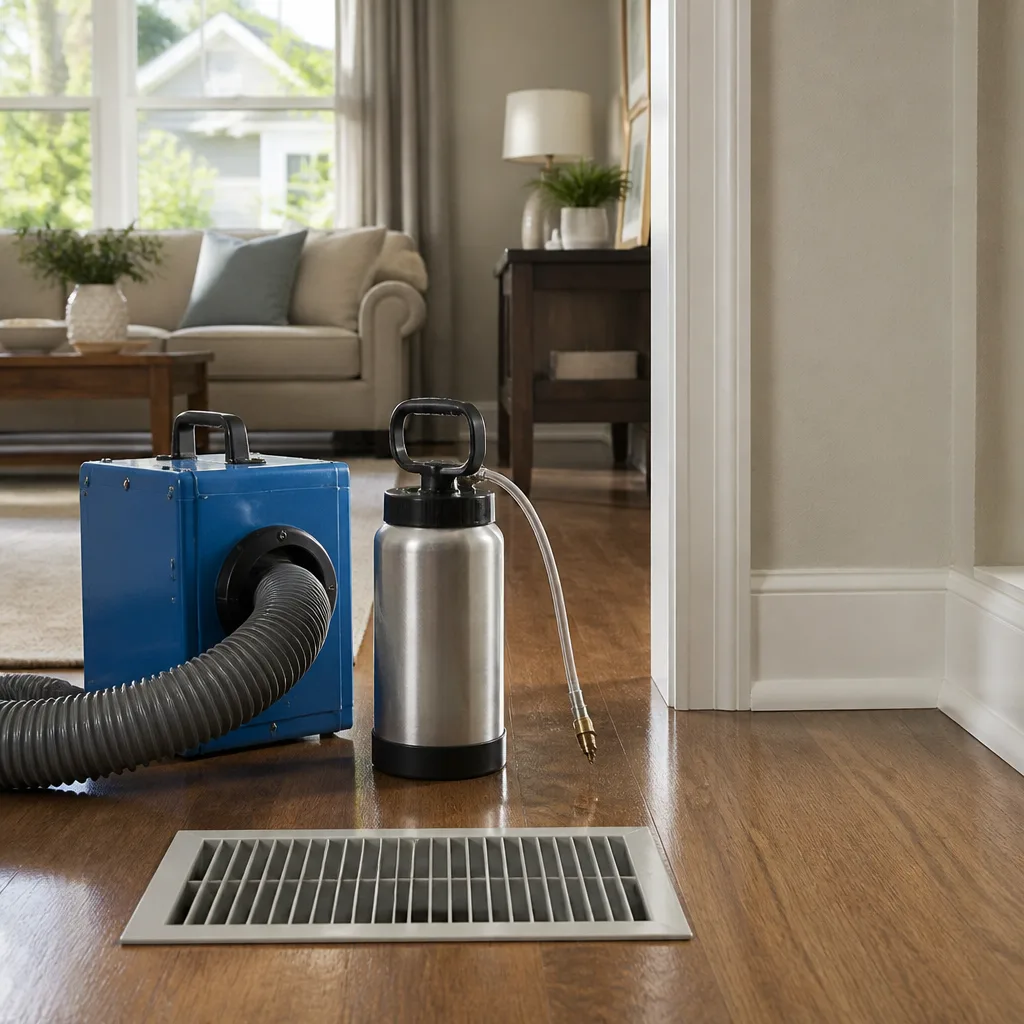 Sanitizing & deodorizing
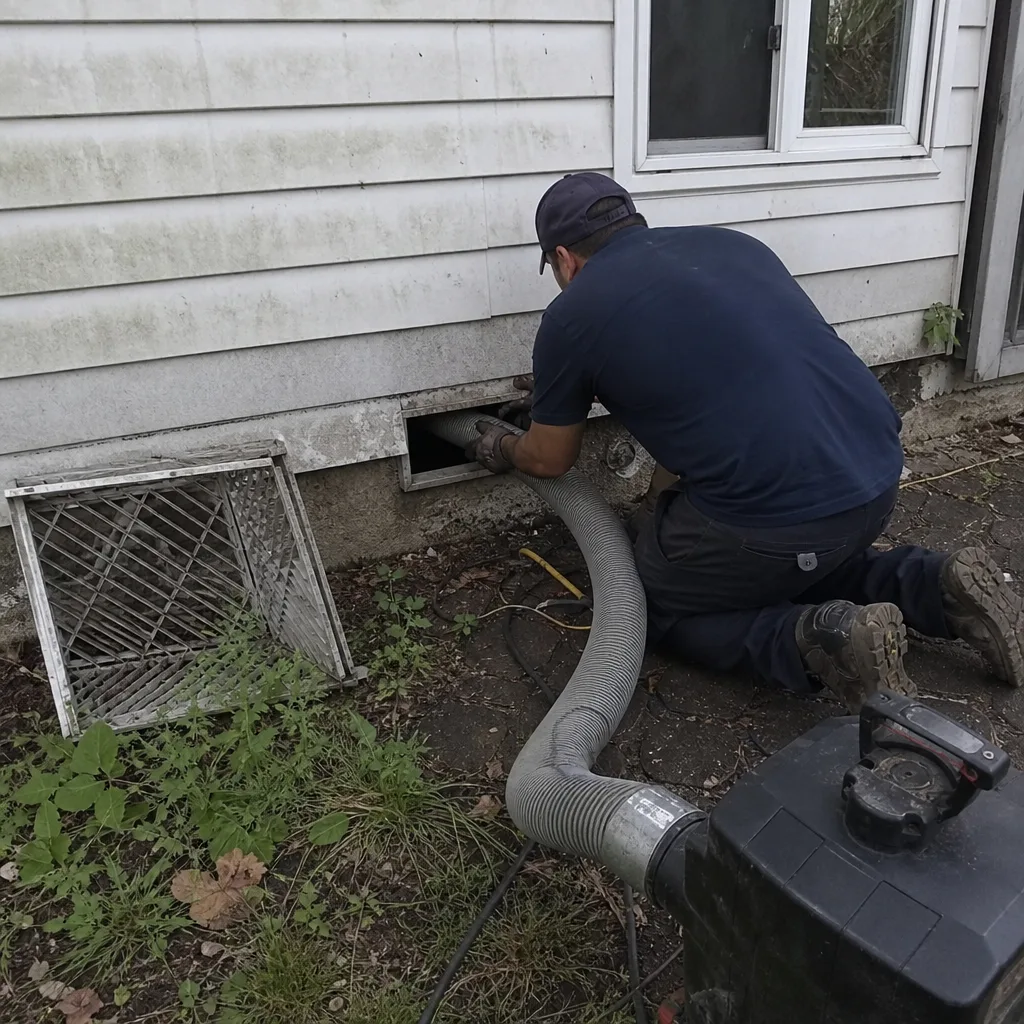
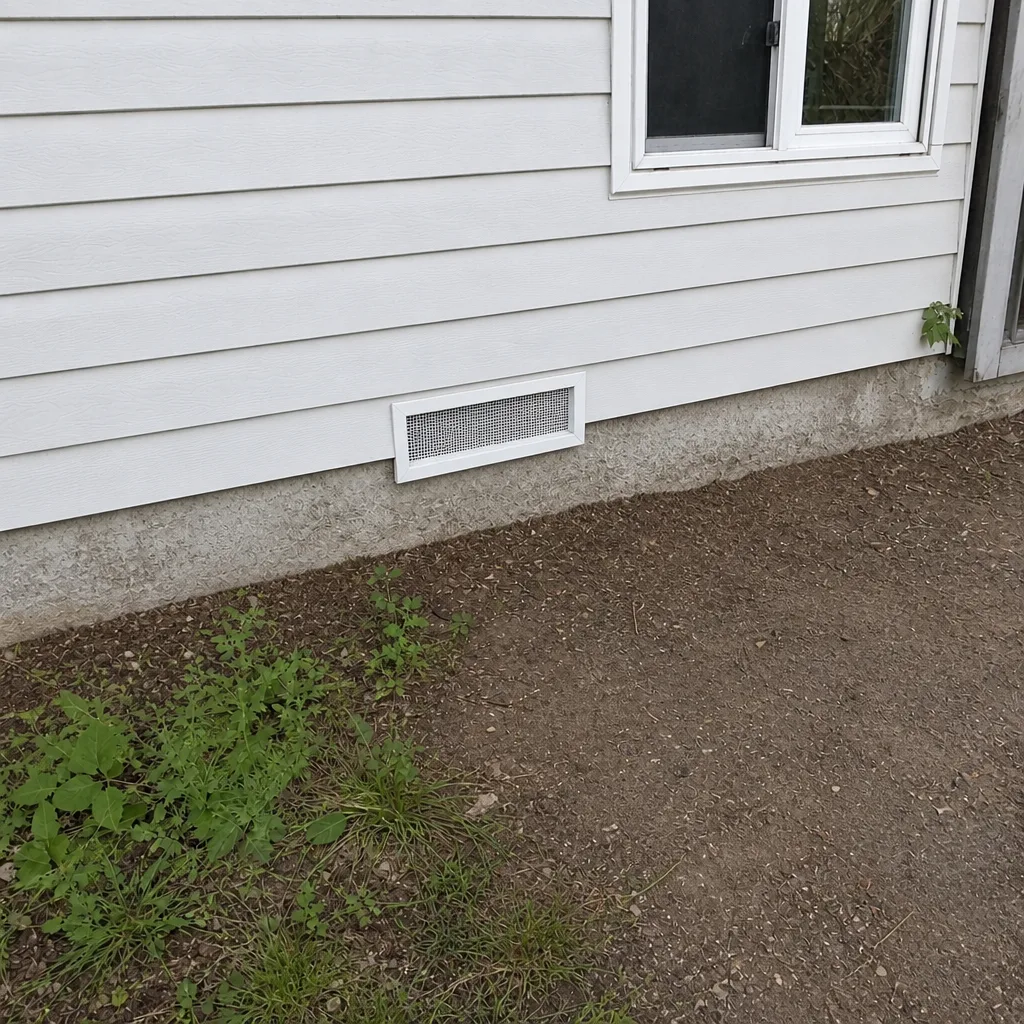
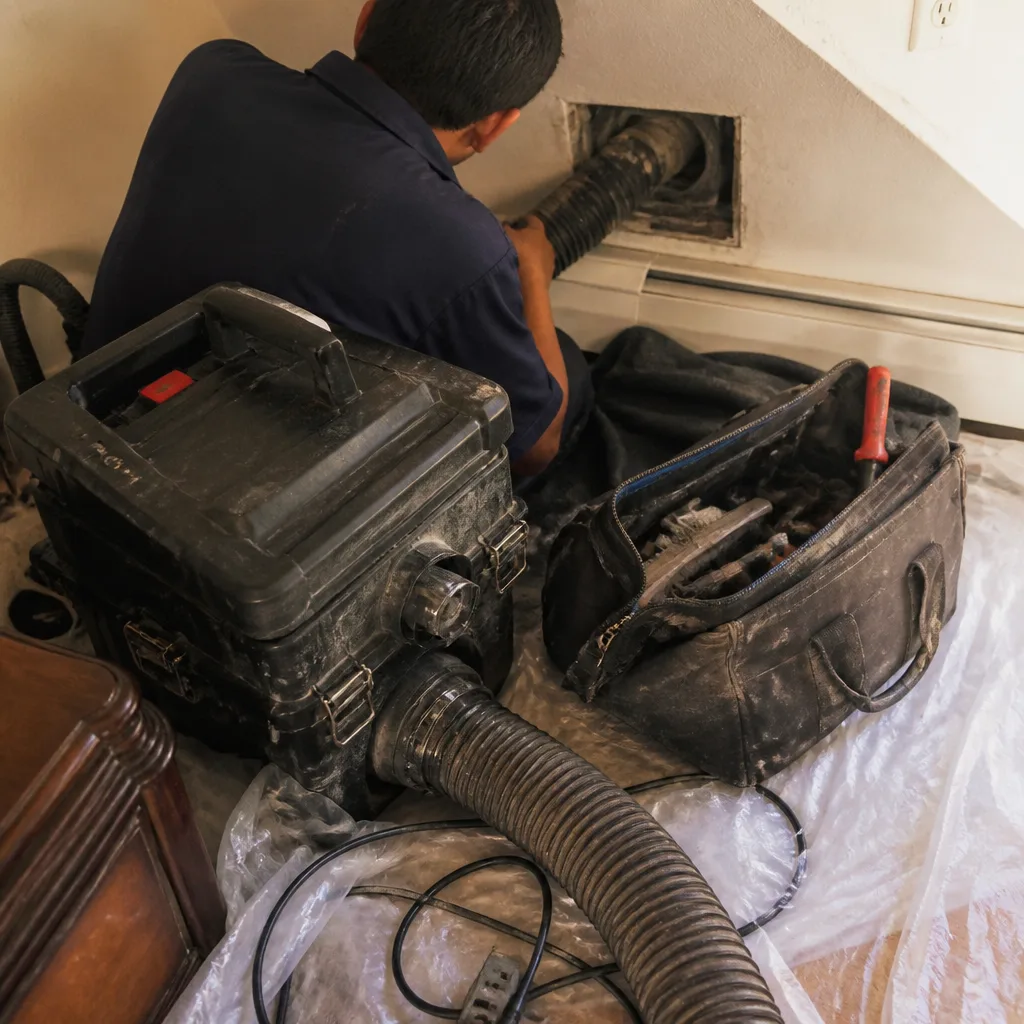
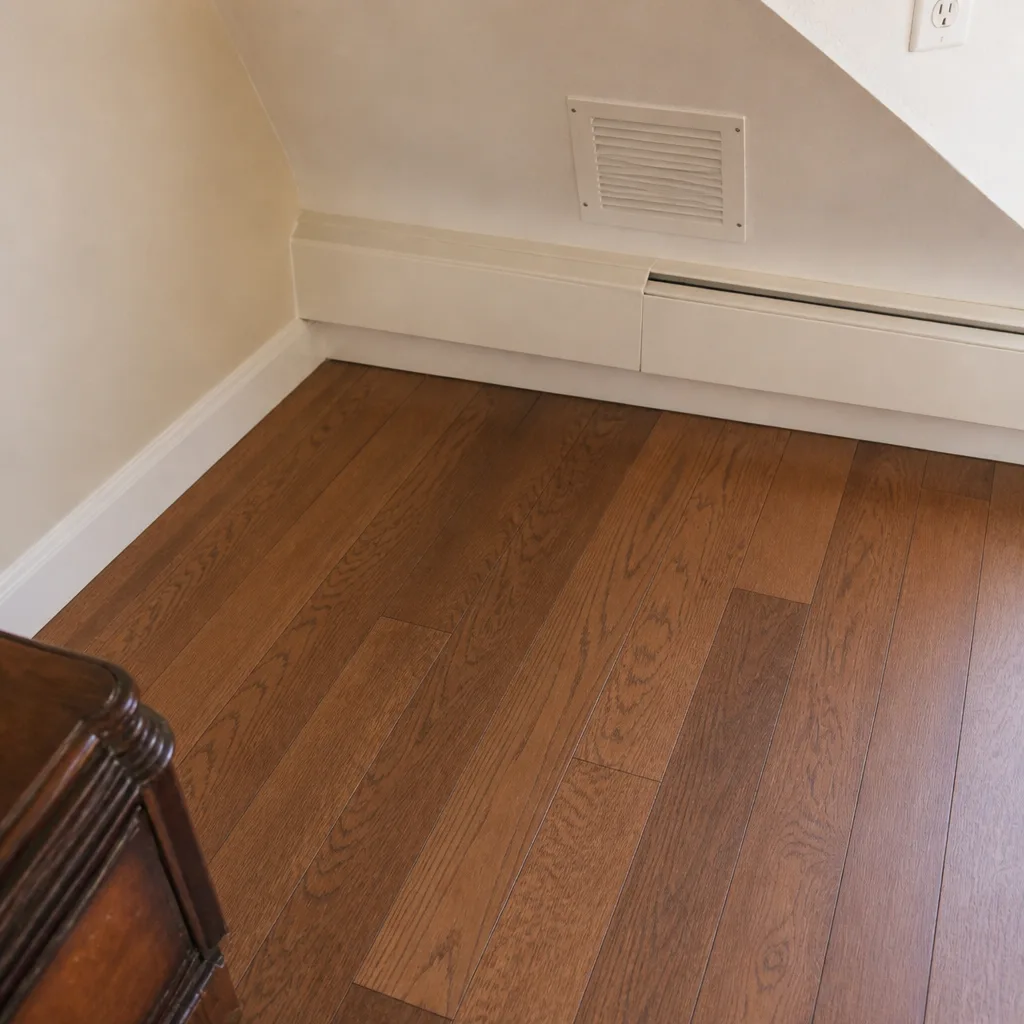
Whole-system duct and dryer vent check with before-and-after photos - you see exactly what came out of your vents
That "$99 whole-house special" is a bait ad - the real number appears once they are in your hallway, or the "clean" is a shop-vac at the register. We photograph the inside of your ducts before and after instead.
Air Duct Cleaning Permits, Codes & Inspections in Co-op City, NY: What You Need to Know
Most people assume duct cleaning is permit-free work. Usually it is. But Co-op City’s buildings went up between 1968 and 1973, which puts a large share of them in the window when asbestos-containing duct insulation was routine practice. That single fact changes the question. A cleaning job that stays on the inside surfaces of the duct is maintenance. A job that cuts into, scrapes, or tears out insulated board can turn into regulated abatement work with a whole different set of rules. This guide walks through where New York City code actually draws the line, what your cooperative board will want before a contractor touches shared mechanical space, and how inspections fit in.
Quick Answer
Routine air duct cleaning in Co-op City generally does not require a permit, because it’s maintenance rather than modification. But any work that alters ductwork, fire dampers, or sealed plenum assemblies can trigger NYC Building Code permit requirements, and any mechanical work in a pre-1980 building that disturbs suspect insulation may require an asbestos survey before it starts. Your cooperative board’s own access and documentation rules sit on top of both.
Styles & brands we work with
- Whole-home duct cleaning
- Dryer vent cleaning
- Camera inspection
- Sanitizing & deodorizing
Table of Contents
- Where Does the Permit Line Actually Fall?
- Asbestos Rules for Pre-1980 Buildings in Co-op City
- Fire Dampers: Access and Documentation in High-Rise Ducts
- What Co-op City Boards Want in Writing
- Negative-Pressure Containment When Contaminants Are Confirmed
- What an Inspection Should Actually Cover
- How to Vet a Duct Contractor for Code Compliance
Where Does the Permit Line Actually Fall?
The permit trigger lives in the difference between maintenance and modification. Cleaning the interior of an existing duct system, replacing a filter, or removing debris from a return is maintenance. Cutting a new branch, rerouting a trunk line, removing or relocating a fire damper, or breaching a rated assembly is construction work, and that’s when NYC Building Code permit requirements come into play. The distinction sounds academic until a contractor proposes to “open up” a run to reach a blockage.
In a high-rise like the ones throughout Co-op City, that line matters more than it does in a single-family house. Duct runs pass through rated floor and wall assemblies. A fire damper sits at those penetrations to stop fire from spreading between floors. Modify the assembly around it without a permit and an inspection, and you’ve compromised something the building’s certificate of occupancy depends on.
Here’s how to tell which side of the line a proposed job sits on:
- Cleaning only. Rotary brush and HEPA vacuum work inside existing duct. No permit. No assembly changes.
- Sealing from inside. Mastic or aerosol sealing applied to existing joints without cutting the duct. Generally maintenance, though your board may still want documentation.
- Cutting access panels. Adding openings to reach a duct run crosses into modification if the panel penetrates a rated assembly.
- Fire damper removal or relocation. Construction work. Permit and inspection almost always required.
- Duct rerouting or new branches. Construction work. Permit required.
When we scope a job at a Co-op City address, we sort the work into those categories before anything else happens. If the answer is “cleaning only,” we say so plainly. If it touches fire dampers or rated assemblies, we tell the owner to expect a filing. You can read more about the standard cleaning scope on our Air Duct Cleaning Co-op City page.
Asbestos Rules for Pre-1980 Buildings in Co-op City
Co-op City’s construction window is the whole story here. Buildings erected between 1968 and 1973 were built when asbestos-containing materials were standard in duct insulation, joint compound, and thermal wraps. NYC DEP rules treat any mechanical work that could disturb suspect material in a pre-1980 building as a potential asbestos disturbance until proven otherwise. That means a survey comes first, not a scraper.
What that looks like in practice:
- Before any invasive work, a licensed asbestos inspector samples the material that’s going to be disturbed. Not the whole building. Just the surfaces the job will touch.
- If the sample comes back clean, the cleaning proceeds and the survey report goes in the job file.
- If asbestos is confirmed, the work is reclassified. Small-scale disturbance may fall under limited provisions; anything larger requires a licensed abatement contractor working under containment.
- Non-invasive cleaning of intact duct interiors typically doesn’t disturb insulation, so the survey question often doesn’t arise. The risk appears when a job calls for cutting into or removing insulated board.
This is the part of the guide where we push hardest. In our experience, the contractors who skip the survey are the same ones who quote a price before they’ve looked at the material. A technician with a rotary brush can tear through friable insulation in seconds. Nobody in the apartment is wearing respiratory protection, and the particulate goes straight into the living space. That’s not a cleaning job anymore.
If your building is one of the Co-op City towers and a contractor proposes to remove or cut insulation without a survey report, stop the job. It’s not worth the risk and it’s not what the code expects. Ask for the survey first.
Fire Dampers: Access and Documentation in High-Rise Ducts
Fire dampers are the part of the duct system nobody thinks about until an inspection fails. In a high-rise, they sit at every rated floor and wall penetration, and they’re supposed to close on their own when heat fuses their link. Over decades, dust, lint, and construction debris collect on the damper blades and in the tracks. A damper packed with debris won’t close. That’s the kind of defect a cleaning contractor is in a position to catch, and the kind of thing a cooperative board needs on record.
Here’s what a proper fire damper assessment during a cleaning job should include:
- Locate every damper on the branch serving the unit. Access panels often exist but are painted over or hidden behind finishes.
- Verify the access panel is large enough for inspection and cleaning. Many older installations have panels too small for anything but a hand.
- Document the damper’s condition before cleaning: rust, debris, damaged linkage, missing fuse link.
- Clean the damper, tracks, and surrounding duct without bending the blades or damaging the linkage.
- Photograph the damper open and closed if the assembly allows, and provide the photos with the job report.
- Flag any damper that fails to close for the building’s engineer or the board’s maintenance contact.
Documentation is the deliverable here, not just a clean duct. A board wants to know its fire dampers were looked at and their condition recorded. If a repair is needed, that’s a separate scope with its own code path, and we say so before the cleaning begins rather than after.
What Co-op City Boards Want in Writing
Cooperative boards in Co-op City act as the gatekeeper on any contractor who touches shared mechanical space. Each board sets its own rules, so what one building requires another may waive, but a few things show up nearly everywhere. Get these sorted before the crew shows up, or the job gets rescheduled.
- Certificate of insurance naming the cooperative as additional insured, with general liability limits the board specifies.
- Worker’s compensation coverage for every technician on site.
- Scope of work in writing: what gets cleaned, what gets inspected, what gets repaired, and what does not.
- Access schedule, including which mechanical rooms, risers, and rooftop units the crew needs to enter.
- Superintendent sign-off or building engineer escort for access to shared air handlers.
- Debris removal plan, including how collected material leaves the building and where HEPA-filtered exhaust discharges.
- Post-job report with before-and-after photos of the duct interior, not just the vent covers.
The paperwork matters more in a cooperative than in a rental. A shareholder who authorizes a contractor to open a mechanical room without board approval creates a liability question that runs to the shareholder, not just the contractor. We always ask for the board’s written requirements at the estimate stage so the scope reflects them from the start.
Negative-Pressure Containment When Contaminants Are Confirmed
Sometimes the inspection finds more than dust. Visible mold growth on duct insulation, standing moisture in a plenum, or heavy microbial contamination changes the job from cleaning to remediation. When that happens, negative-pressure containment is the standard practice: the work area is sealed and held at lower pressure than the surrounding space, so contaminated air moves into the contained zone rather than out into the apartment.
This is where equipment choices stop being marketing and start being code-adjacent. Our Abatement Technologies air scrubbers are deployed to establish and maintain negative pressure during containment work and to filter the exhaust air with HEPA before it leaves the zone. A shop-vac with a cloth bag cannot do this. It recirculates fine particulate back into the room, which is exactly the outcome containment exists to prevent.
When a job reaches this scope, the sequence runs roughly like this:
- Confirm the contamination with a visual inspection and, where the board requires it, surface or air sampling by a third party.
- Set containment around the affected duct run with poly barriers and zipper doors.
- Establish negative pressure with HEPA air scrubbers, verified with a manometer before work begins.
- Perform the cleaning with negative-pressure HEPA equipment, capturing debris at the source.
- Apply an antimicrobial treatment as a distinct step, using a Guardsman-backed sanitizer where the scope calls for it.
- Verify air quality before containment comes down, with post-cleaning documentation for the board.
Not every job reaches this level. Most standard cleanings don’t. But when a contractor encounters contamination and offers to “spray something on it,” the containment and verification steps were skipped, and the documentation will show it.
What an Inspection Should Actually Cover
An inspection of your duct system is more than a technician shining a flashlight into a vent. A useful inspection covers the whole path air travels, from the return grille through the trunk lines, plenum, air handler, and back out to the supply registers. In Co-op City’s high-rise buildings, that path can span multiple floors, which is precisely why documentation matters.
A thorough inspection covers:
- Visible duct interior at every accessible point, with photos taken before cleaning.
- Insulation condition: any damage, moisture staining, or exposed substrate that suggests disturbed material.
- Air handler and coil for debris accumulation, biological growth, and airflow obstruction.
- Fire dampers at every rated penetration on the branch serving the unit.
- Seams and joints for leakage into wall cavities or mechanical chases.
- Air quality test points where contamination is suspected, for pre-clean baselines.
The inspection report is the record you can present to your cooperative board, your insurer, or the building engineer. We build the report as we go, with before-and-after photos of the customer’s own ducts rather than stock images. A board should be able to look at the report and see the actual condition of the system it approved work on.
How to Vet a Duct Contractor for Code Compliance
Most duct cleaning disputes in cooperative buildings come down to a contractor who was never set up for this kind of job. Our technicians have up to 10 years of experience, and the questions we’d ask another contractor are the same questions we’d want asked of us.
- “Show me your insurance certificate with the cooperative named as additional insured.” If the answer is “we’ll get it to you,” the contractor isn’t ready for a cooperative job.
- “What equipment are you bringing?” Rotary brush contact cleaning and HEPA negative-pressure vacuum, or a portable shop vac? The answer tells you whether the job will make a difference.
- “How do you handle suspect insulation in a pre-1980 building?” The right answer is “we survey before we disturb.” A vague answer is a red flag.
- “Do you have documentation for fire dampers?” A plain “yes” without a photo deliverable is prose, not proof.
- “Will you provide before-and-after photos of my actual ducts?” Some contractors quote a low price and provide photos of a different job. Ask for the photos tied to your address.
- “What’s the price for the whole system, and what changes it?” One flat price per system, agreed before work starts, is the only quote structure that doesn’t invite a surprise invoice.
- “Who’s doing the work?” The local pro we connect you with is licensed and insured as their state requires. Ask to see it.
Ductwork that’s been cleaned but not sealed lets the dust return within weeks. Ductwork that’s been sealed without a proper pre-inspection can hide an existing problem. The scope on a well-run job touches air duct cleaning, and in many buildings, HVAC cleaning as well, because the coil and plenum feed the same air. Dryer vents are a separate safety item and worth addressing on the same visit – see dryer vent cleaning for the fire-risk side of that conversation.
Aprilaire and Honeywell whole-home air-quality systems are common in upgrades around Co-op City and need familiarity with their components to clean around without damage. If a contractor doesn’t recognize the nameplate on the air handler, ask for someone who does.
Common Mistakes to Avoid
- Assuming every cleaning job is permit-free. Standard cleaning usually is. The moment a contractor says “we’ll cut an access panel,” the permit question has to be answered before work starts, not after.
- Skipping the asbestos survey in pre-1980 buildings. In Co-op City’s older towers, this is the single most consequential step to get wrong.
- Letting a contractor open a mechanical room without board sign-off. The shareholder can be on the hook for a liability the board never authorized.
- Accepting a per-vent price as final. Per-vent pricing invites a “while we’re in there” upcharge. Ask for one flat price for the whole system, and get it in writing.
- Not asking for before-and-after photos tied to your address. A report with generic photos tells you the contractor did a job, not that the job happened in your apartment.
- Treating sanitizing as part of cleaning. Sanitizing is a separate step with a specific purpose. If it’s bundled invisibly into the base price, you don’t know what was actually applied.
- Ignoring fire dampers because the ducts look clean. A clean duct with a fouled damper is a code problem waiting for an inspection to find it.
See the difference
 Before
 After
 Before
 After
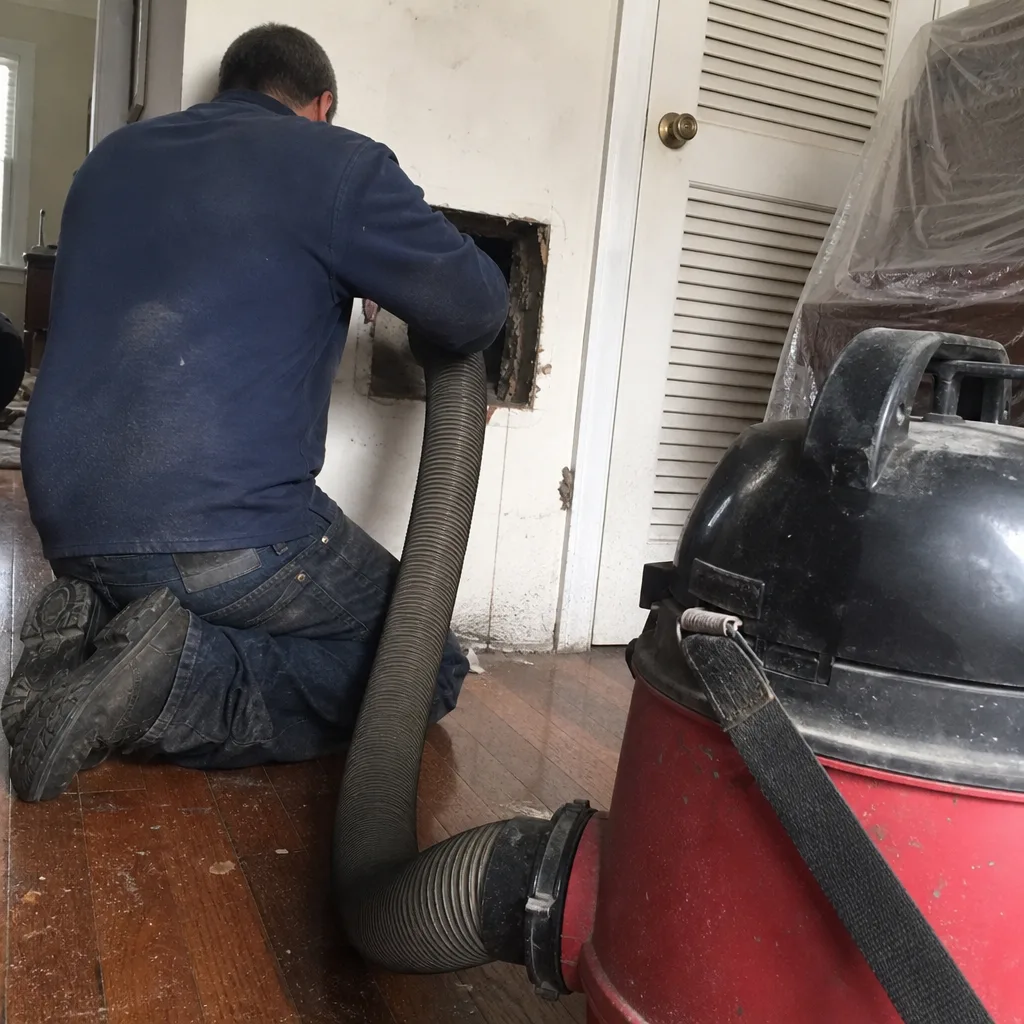 Before
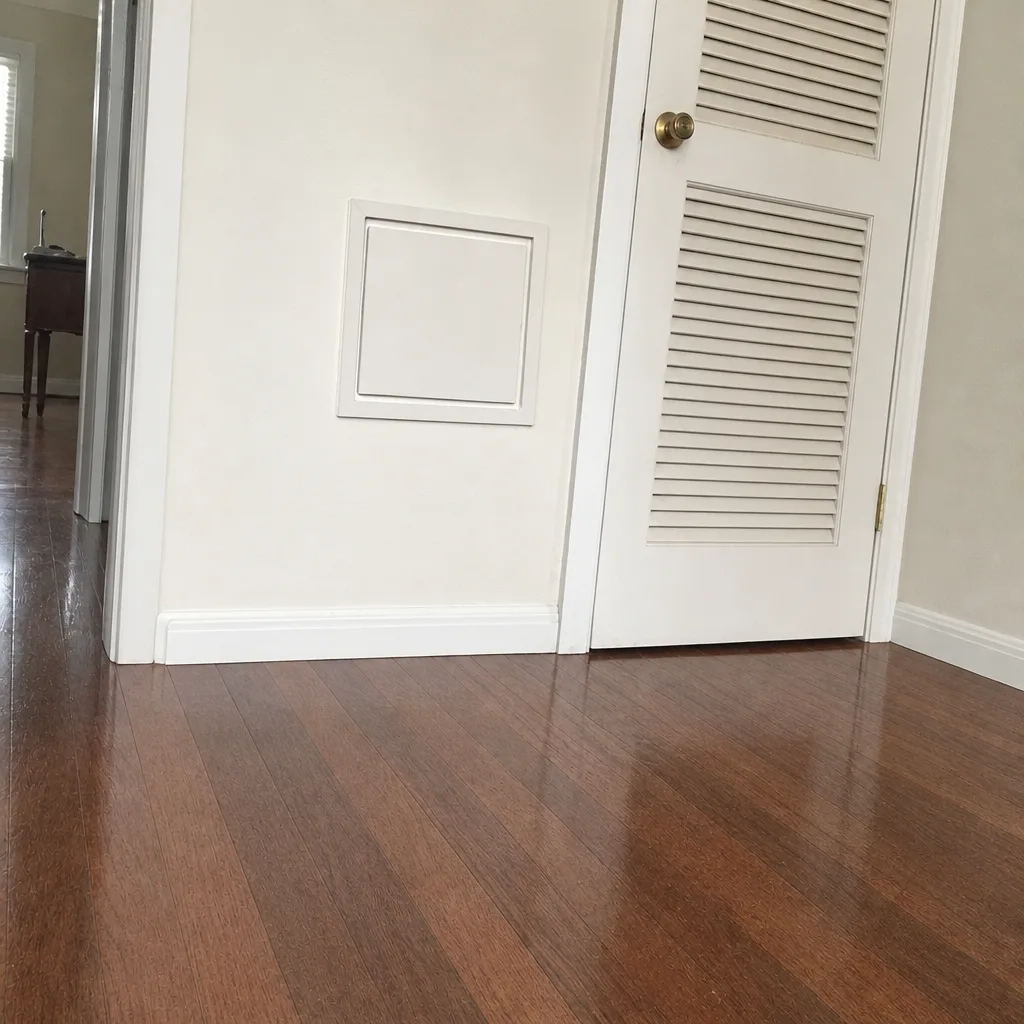 After
When to Call a Professional
Call a professional when the question touches code, contamination, or a cooperative board’s paperwork, because the wrong move can turn a maintenance job into a compliance problem. That includes: any job that involves cutting into ductwork or accessing a mechanical room; visible mold in or around a vent; a suspicion that the building’s insulation is suspect; a board request for documented inspection; and the standard signs of a duct system that hasn’t been opened in a decade – persistent dust after cleaning a room, unusual mustiness when the HVAC kicks on, or a substantial price gap between two quotes that suggests someone skipped a step.
Air Duct Cleaning Co-op City offers free estimates in Co-op City – call (844) 443-4901. We answer 24/7. Fast dispatch from 7am to 7pm, Sunday through Friday.
Frequently Asked Questions
Routine air duct cleaning in Co-op City generally does not require a permit because it’s classified as maintenance, not construction. A permit becomes necessary when the work modifies ductwork, removes or relocates fire dampers, or breaches a rated assembly. If your contractor mentions any of those, ask for the permit filing before work begins. Call (844) 443-4901 for an exact scope – estimates are free.
You may, yes. Co-op City’s buildings were constructed between 1968 and 1973, and NYC DEP rules treat suspect material in pre-1980 buildings as a potential asbestos disturbance until sampled. Non-invasive cleaning of intact duct interiors usually doesn’t disturb insulation and may not require a survey, but any job that cuts into or removes insulated board does. The licensed local pro we connect you with can help you sort the survey question before work starts.
At minimum: a certificate of insurance naming the cooperative as additional insured, worker’s compensation coverage, a written scope of work, access schedule, debris removal plan, and a post-job report with before-and-after photos of your actual ducts. Fire damper documentation is often required separately, with photos of the damper condition before and after cleaning. Every board sets its own rules, so ask yours what specifically they need before the contractor shows up.
It shouldn’t, if the contractor knows how to clean around them. A rotary brush applied carelessly near a fire damper can bend blades or damage the fusible link. Proper practice is to inspect each damper first, clean it without distorting the assembly, and photograph its operation afterward. A fouled damper can fail to close, which is the safety failure the assembly exists to prevent. Call (844) 443-4901 to talk through damper documentation on a specific building.
When contamination is confirmed. Visible mold growth, standing moisture, or heavy microbial load in the duct turns the job from cleaning into remediation, and remediation requires containment. Our Abatement Technologies air scrubbers establish negative pressure in the work zone before a single brush turns, and the pressure is verified with a manometer so exhaust air leaves through HEPA filtration rather than into your apartment. Routine cleanings don’t reach this level.
We quote one flat price per system agreed before work starts, which is what protects you from the bait-and-switch pricing this trade is known for. The written estimate sets the final price, and there’s no per-vent pricing or teaser figure that grows on the invoice. Call (844) 443-4901 for an exact quote – estimates are free.
Usually because the scope is smaller than it appears. Cheap quotes often skip HEPA capture equipment, skip the pre-inspection photos, and skip the board paperwork, which are the parts that keep the job inside code in a pre-1980 high-rise. Ask what equipment the low bidder is bringing, and ask for a written scope. The answer usually explains the price gap. Call (844) 443-4901 to compare against a documented estimate.
Ask for before-and-after photos of your own ducts, tied to your address, as part of the job report. A contractor who can’t produce those has done a job somewhere. A report with your actual duct interior is the proof a board, an insurer, or you can see. Call (844) 443-4901 to talk through the documentation we deliver with every job.
The Bottom Line
Air duct cleaning in Co-op City is usually permit-free. The exceptions matter: cutting into ductwork, touching fire dampers, or disturbing suspect insulation in a pre-1980 building can turn maintenance into regulated work. The survey comes before the scraper. The board’s paperwork comes before the crew. Fire damper documentation, before-and-after photos of your actual ducts, and a written scope with one flat price per system are the four things that protect you and your building.
When you’re ready for a documented, code-aware job in Co-op City, call (844) 443-4901 for a free estimate. We answer 24/7. Fast dispatch from 7am to 7pm, Sunday through Friday.
Written by the team at Air Duct Cleaning Co-op City.