
Last updated November 25, 2026
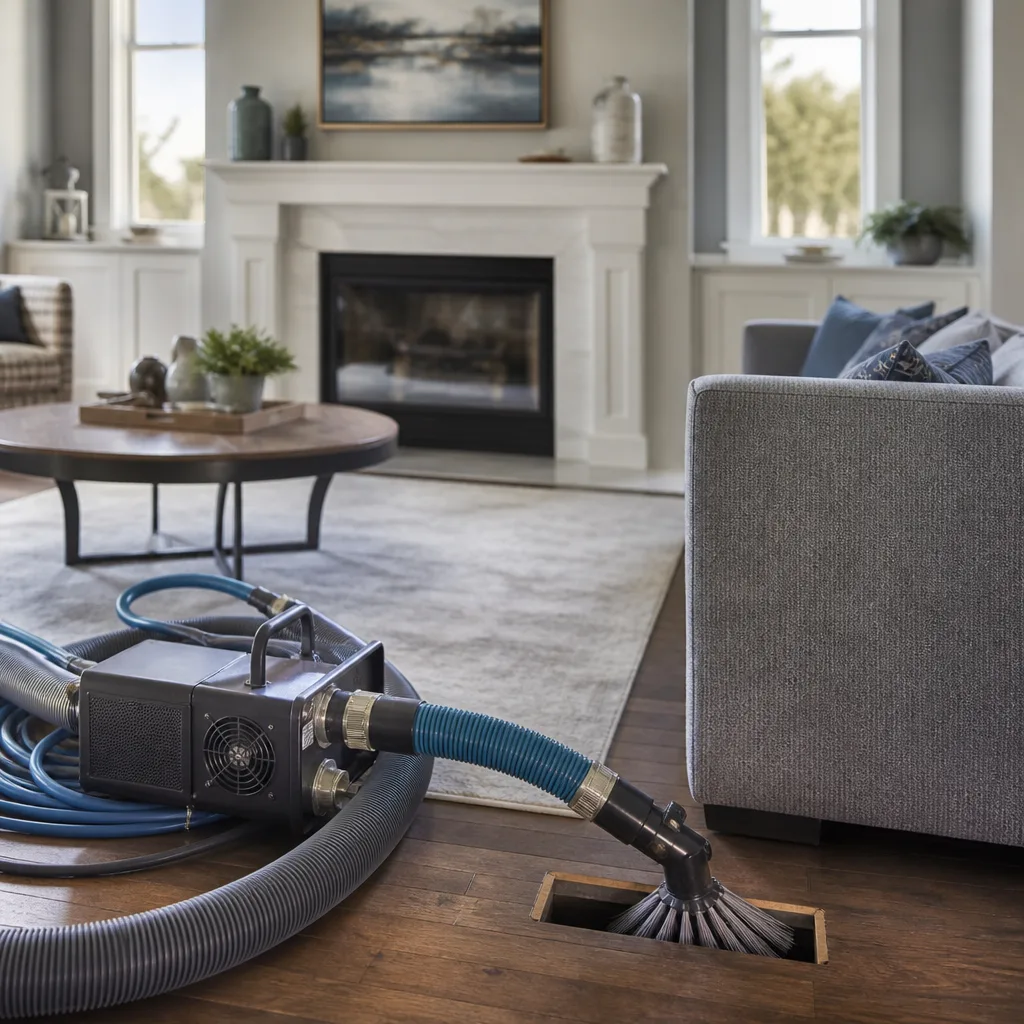 Whole-home duct cleaning
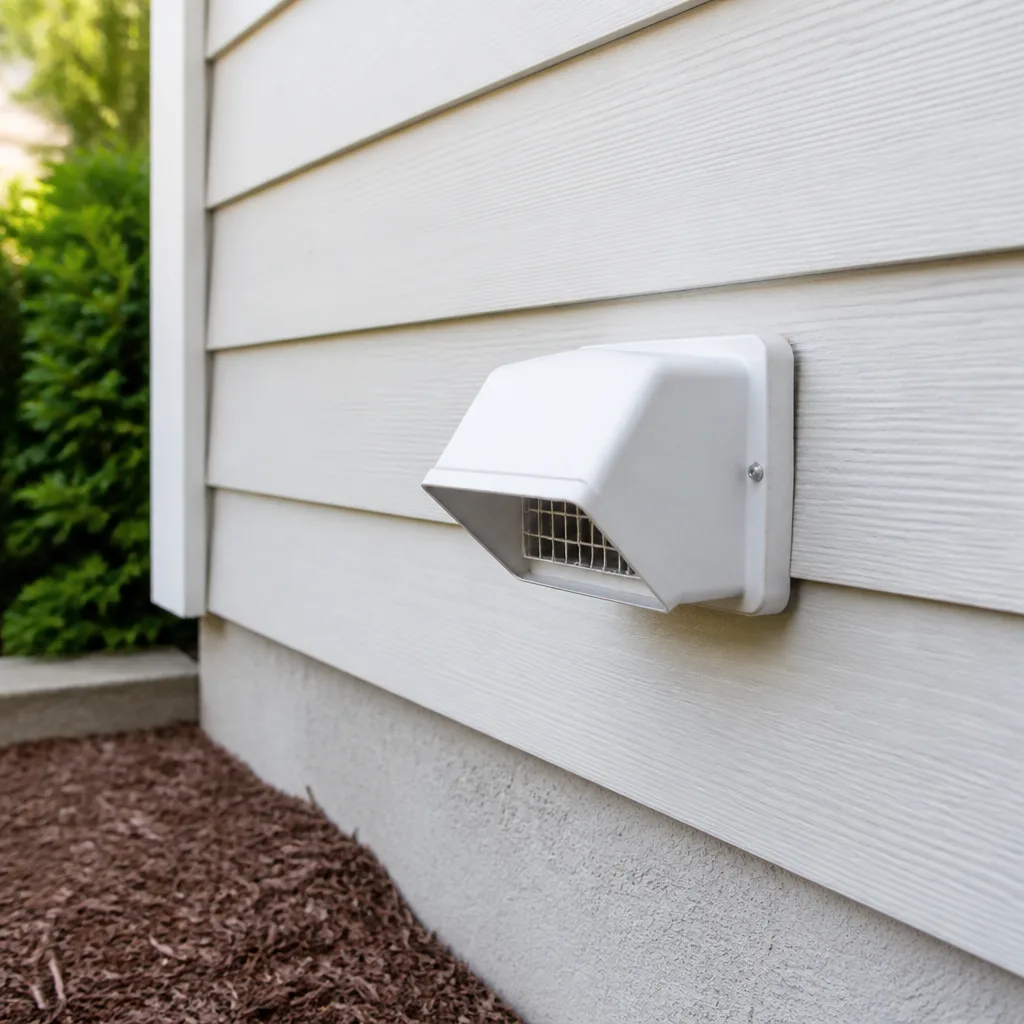 Dryer vent cleaning
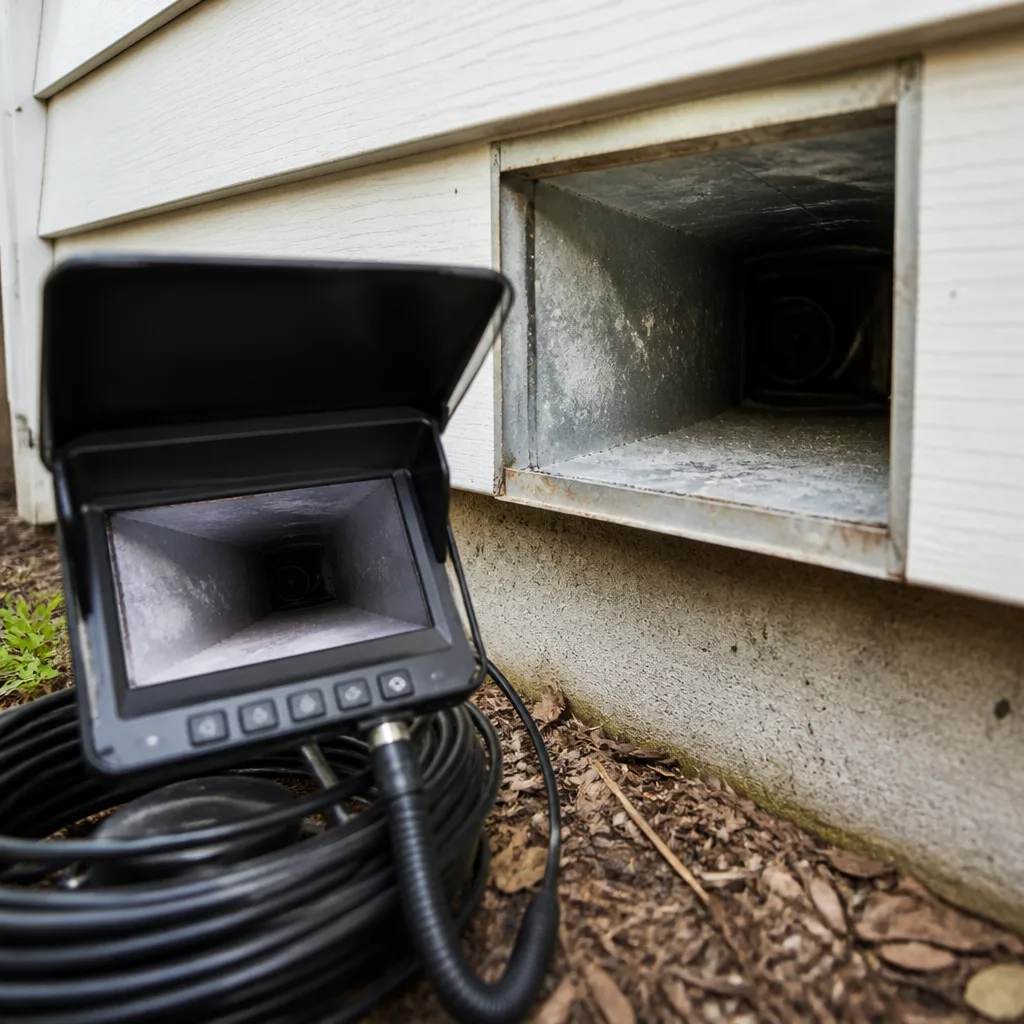 Camera inspection
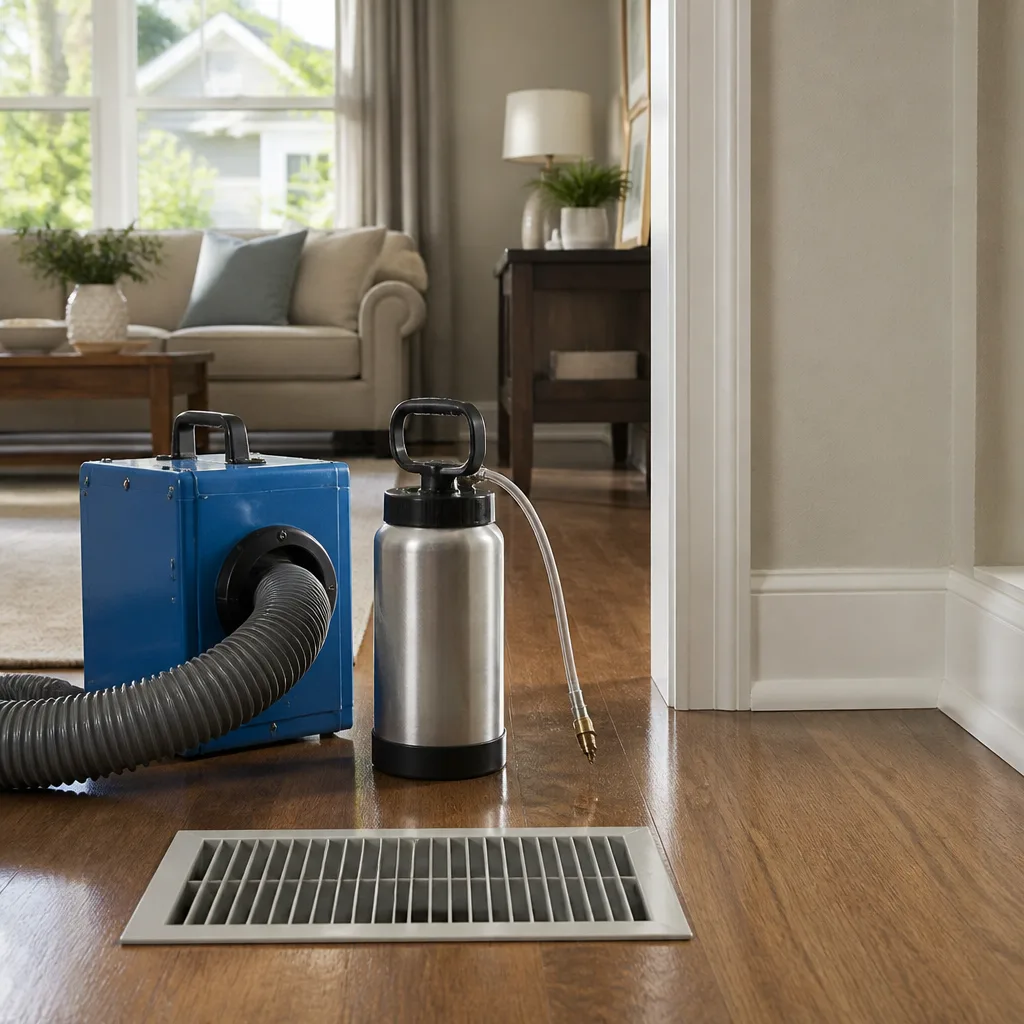 Sanitizing & deodorizing
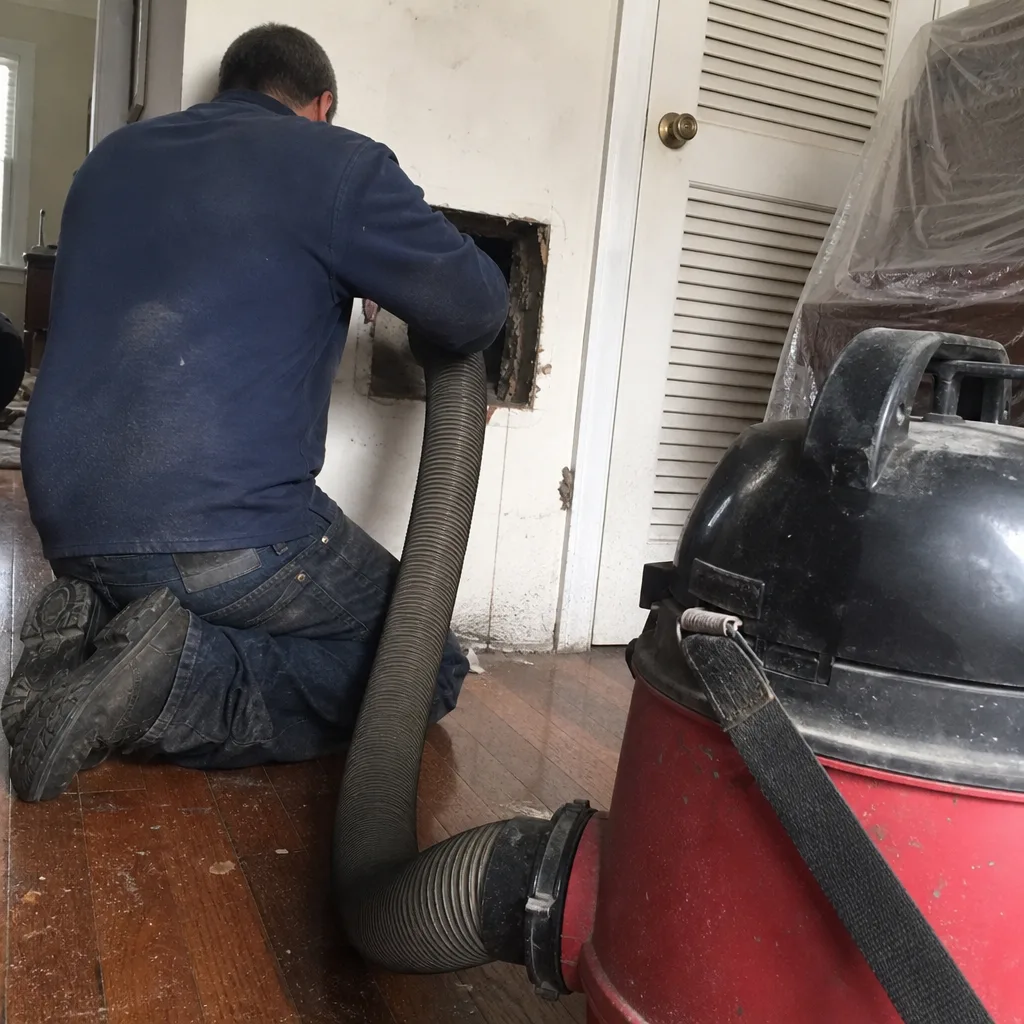
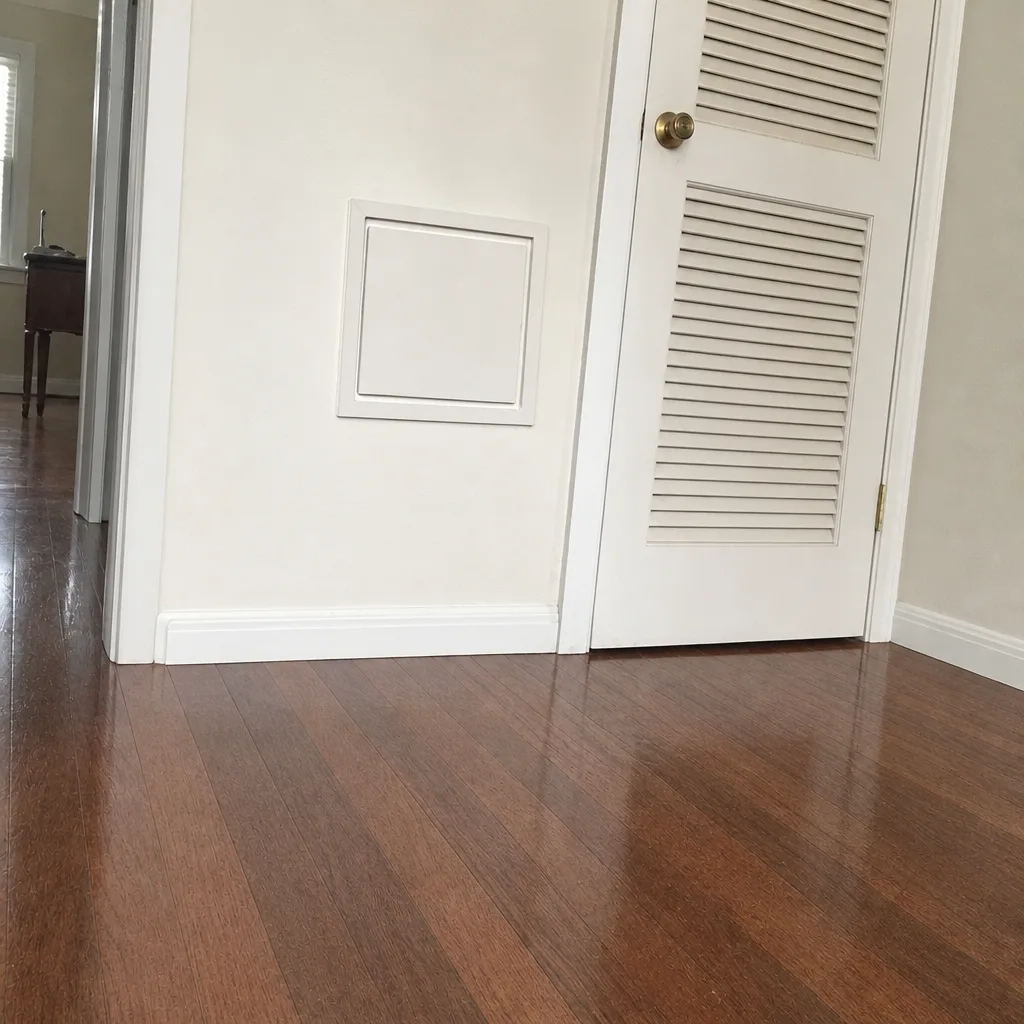
Whole-system duct and dryer vent check with before-and-after photos - you see exactly what came out of your vents
That "$99 whole-house special" is a bait ad - the real number appears once they are in your hallway, or the "clean" is a shop-vac at the register. We photograph the inside of your ducts before and after instead.
Air Duct Cleaning Emergency Preparedness Guide for Co-op City Homes
Here’s the part most people get wrong: a duct emergency rarely looks like an emergency. Smoke after a kitchen fire doesn’t announce itself by filling the room – it drifts into the return, settles in the duct walls, and vanishes for a few weeks. Then the heat comes on in November and the whole apartment smells like the fire again. In Co-op City, where thousands of units share risers, mechanical chases, and building systems, the window between “this seems fine” and “this is now a mold or odor problem” is shorter than most residents expect. This guide walks through what to do in the first hours, who is responsible in a cooperative building, and how to tell a real duct emergency from a routine cleaning that can wait.
Quick Answer
If smoke, water, or a system failure has pushed contaminants into your ductwork, treat the first 48 to 72 hours as the decisive window. Call building management immediately if the contamination is in a shared riser or rooftop unit, and call an independent air-quality contractor at the same time if the contamination is inside your unit. Documentation – photos, timestamps, a written description of what happened – matters as much as the cleanup itself, especially if you plan to file an insurance claim.
Styles & brands we work with
- Whole-home duct cleaning
- Dryer vent cleaning
- Camera inspection
- Sanitizing & deodorizing
Table of Contents
- What Counts as a Duct Emergency in Co-op City?
- Post-Fire Protocol: The First 72 Hours
- Flood and Water Intrusion: The Mold Clock
- What Negative-Air Equipment Does That a Shop-Vac Can’t
- Building System vs. Unit System: Who Is Responsible?
- Documentation for Insurance Claims
- Building an Emergency Kit and Plan
- Common Mistakes to Avoid
What Counts as a Duct Emergency in Co-op City?
A duct emergency is any event that pushes combustion byproducts, water, mold spores, or particulate debris into your HVAC system faster than a routine cleaning cycle can address. Three categories cover almost every case we’re called out for in Co-op City: fire and smoke events, water intrusion from above or below, and mechanical failures that send debris into living space.
Fire and smoke events are the most time-sensitive. Combustion particles are microscopic – many are under 2.5 microns – which means they travel through the return air path, coat the interior of flex duct and sheet metal, and settle into the seams where duct sections join. Odor is the symptom, but contamination is the cause. If you only treat the odor with sprays and air fresheners, you’re masking a problem that returns every heating season.
Water intrusion is the second category. In a high-rise like the Co-op City buildings, water rarely stays where it lands. A leak two floors up can travel along a pipe chase, soak into the ceiling assembly above your unit, and eventually reach ductwork that runs through a wet ceiling cavity. Water in a duct system isn’t just a moisture problem – it’s a substrate for biological growth, and the clock on that growth starts fast.
Mechanical failure is the third. When a blower motor fails, a belt snaps, or a filter collapses, debris that should have been caught gets pushed into the supply side. A failed filter in a system with a compromised seal can distribute years of accumulated dust into the living space in a single run cycle.
What does NOT count as an emergency
- A dusty smell the first time the heat comes on in autumn (normal for the season)
- A single small puff of debris from one vent after a filter change
- Mildly reduced airflow that has developed gradually over months
- A visible dust film on vent covers that wipes off clean
None of those are urgent. They’re signs that a scheduled cleaning is due, not that you need an emergency response. Distinguishing between the two saves you money and keeps emergency crews available for actual emergencies. If you’re not sure which category you’re in, our air duct cleaning team can look at photos over the phone and tell you what kind of response is appropriate.
Post-Fire Protocol: The First 72 Hours
Smoke contamination after a fire is a chemistry problem as much as a cleaning problem. Combustion byproducts include soot, ash, and volatile organic compounds that bond to duct surfaces and to the coils inside your air handler. The faster those compounds are physically removed, the less residual odor you’ll deal with six months later. Here’s the sequence that works.
- Hour 0-2: Ventilate and stop the spread. Open windows in unaffected rooms, turn off the HVAC system at the thermostat, and if possible shut off the air handler. Running the system pulls smoke deeper into the return.
- Hour 2-4: Notify building management. In Co-op City, any smoke event that could have entered the shared riser or rooftop unit needs to be reported immediately. Management coordinates the building-side response and documents the event for the building’s insurance.
- Hour 4-24: Document everything. Photograph the affected rooms, the vent covers, the filter, and any visible soot residue. Note the date and time of the fire, the source, and the extent of visible damage.
- Day 1-3: Independent remediation. Schedule a professional cleaning that uses contact-cleaning equipment, not just vacuum. The interior of a duct wall needs to be scrubbed mechanically to remove bonded soot.
- Day 3-14: Sanitizing as a separate step. Antimicrobial treatment should be a distinct phase after cleaning, not folded into the base cleaning price. Ask any contractor to break out the sanitizing line item.
- Week 2-4: Verification. Run the system in heating mode for an hour and check for odor return. If odor is present, the smoke wasn’t fully removed from the coil or the duct interior.
The mistake we see most often in Co-op City is skipping step 4 because the apartment “smells fine after a week.” Odor receptors adapt quickly; the smell often isn’t gone, the resident has just stopped noticing it. Guests, neighbors, and the next tenant will notice. If you want a second opinion on the state of your ducts after a fire, call (844) 443-4901 – it costs nothing to ask.
Flood and Water Intrusion: The Mold Clock
Moisture in a duct system creates a biological problem, and biology doesn’t negotiate. Under the right temperature and humidity conditions, mold colonization on wet organic material can begin within 48 to 72 hours of sustained moisture exposure. That window is the entire reason water intrusion into ductwork is treated as urgent. It isn’t the water you’re reacting to – it’s what grows in the water.
In Co-op City’s high-rise construction, water finds duct systems through three routes: a roof or pipe leak that travels down a chase, water damage from a unit above that soaks through the ceiling assembly, and condensation problems stemming from an underperforming cooling system during humid stretches in late summer. The first two are sudden. The third is slow and easy to miss until an occupant notices a musty smell that won’t go away.
The 48-72 hour response window
- First 24 hours: Stop the water source and remove standing water. Do not run the HVAC system – it moves moisture into more ductwork. Report to building management if the source is above your unit.
- 24-48 hours: Get air moving with fans and a dehumidifier. If the ceiling cavity above your ducts was wet, that cavity needs to dry before the ducts are cleaned.
- 48-72 hours: Professional inspection. This is where a moisture meter and a visual scope reading tell you whether mold has started. If it has, cleaning alone isn’t the answer – sanitizing and possibly duct repair are also needed.
- After 72 hours: If you missed the window and the smell is present, the response shifts from “stop the problem” to “remove the contamination.” That’s a bigger job, but it’s still solvable.
We use Abatement Technologies air-scrubbing equipment in water-damage scenarios because the air in the affected zone needs to be filtered continuously during the cleaning. If you’re in a Co-op City apartment and water has reached a ceiling or wall cavity above your vents, call us at (844) 443-4901 and describe the layout. The response is different for a top-floor unit than for a mid-riser unit, and knowing which one you have changes what we bring.
What Negative-Air Equipment Does That a Shop-Vac Can’t
Negative-air equipment creates a pressure differential inside the work zone. Instead of the cleaning machine pushing air (and particles) back into the living space, it pulls air toward the machine, filters it, and exhausts clean air. In a contamination-containment scenario, that pressure differential is the entire point. Cleaning without it doesn’t remove contamination – it relocates it.
Here’s what negative-air and HEPA-rated vacuum equipment actually accomplishes:
- Captures particles at the source. A Nikro HEPA-rated vacuum pulls dislodged particulate into a sealed filter rather than letting it recirculate. Particles under 2.5 microns are the ones that reach the lower airway, and they’re the ones a standard shop-vac misses entirely.
- Establishes a containment zone. When we deploy Abatement Technologies air scrubbers, the air in the affected room is filtered continuously during the cleaning. Occupants don’t have to leave the building, but we do ask them to stay out of the working room while the scrubber is running.
- Verifies the result. Air scrubbing continues after the mechanical cleaning so the residual particle count drops before we pack up. Cleaning and verification are two phases, not one.
- Pairs with contact cleaning. The Air Duct Cleaning Co-op City approach is to use Rotobrush rotary-brush systems first – contact cleaning physically removes bonded debris from duct walls – then vacate with HEPA equipment. Rotary brushing without HEPA capture just stirs the problem up. HEPA capture without rotary brushing misses the bonded debris entirely. The two work as a pair.
Why does this matter in Co-op City specifically? Because the units are connected to shared mechanical systems. If one resident’s ductwork is contaminated and a low-bid cleaning blows that contamination out of the register, it ends up in a neighbor’s supply air. Negative-air equipment protects the entire stack, not just the apartment being cleaned.
The same equipment discipline applies to HVAC cleaning on the coil and blower side. Soot, mold spores, and debris that sit on an evaporator coil get reintroduced to the airflow every time the system runs. Cleaning the duct without cleaning the coil is a half-job that returns to the same problem within a season.
Building System vs. Unit System: Who Is Responsible?
This is where Co-op City duct emergencies get complicated. In a cooperative building, the line between what the shareholder owns and what the cooperative owns is defined by the proprietary lease and the co-op’s bylaws, not by what feels intuitive to a resident. Getting this wrong means paying for work the co-op should cover, or waiting for the co-op when a unit-level response is what’s needed.
A rough rule of thumb – and you should confirm this against your own co-op’s governing documents, because they vary:
- Building-side: rooftop air handlers, the shared riser or chase, the main trunk that serves multiple units, and any ductwork in a wall or ceiling cavity shared with the floor above or below. Building management owns the response, and the co-op’s insurance usually covers the aftermath of a building-side failure.
- Unit-side: the ductwork inside the walls of your own apartment, the vents and registers in your rooms, your thermostat, and the branch ducts that serve only your unit. You own the response, and your shareholder policy (an HO-6 or equivalent) is the coverage.
- The gray zone: the transition point where a branch duct leaves the riser and enters your unit. This is often the most contested point in a Co-op City claim because both sides can argue the failure started on their turf.
How to determine which one you’re dealing with
- Trace the smell. If it’s present in one room with a vent serving only that room, it’s likely unit-side. If it’s present in rooms that share a riser or trunk, it’s likely building-side.
- Look for water evidence. Ceiling stains above the riser, bubbling paint, or wet drywall at a chase opening point to a building-side leak. Water stains below a register that only serves your unit are typically unit-side.
- Ask management who owns the asset. Building maintenance should be able to tell you whether the ductwork at the point of concern is co-op responsibility or shareholder responsibility. Get the answer in writing if possible.
- Call both lines of defense. A professional assessment from an air-quality contractor can be submitted to management as evidence that the problem is on their side – which is often what’s needed to move a building-side response forward.
If you call us at (844) 443-4901 and describe what’s happening, we can usually tell you within a few minutes whether what you’re describing sounds like a unit-level issue or a building-level one. If it’s building-side, we’ll tell you to call management first. That honesty is why Co-op City residents trust us with the referral.
Documentation for Insurance Claims
Duct contamination claims fail more often on documentation than on legitimacy. The damage is real; the paperwork just doesn’t prove it was caused by a covered event. Here’s what an insurance adjuster will actually want to see.
- Timestamps on everything. The date and time of the event, the date of the first report to management, and the date of the first professional assessment. Adjusters look for gaps that could suggest pre-existing damage.
- Photos before and after. Wide shots of the affected room, close-ups of vents, a photo of the filter in place and after removal, and photos of any water staining or soot deposits. After cleaning, before-and-after photos of the duct interiors are the most persuasive evidence that remediation was necessary and was completed.
- A written scope of work. A single sentence on an invoice (“Duct cleaning – $X”) is hard for an adjuster to approve. A scope of work that breaks out mechanical cleaning, sanitizing, and any needed repair is what processes cleanly.
- Cause documentation. If the fire sprinkler went off, if a pipe burst two units up, if a blower failed – that event needs its own documentation trail. Management’s report, a fire department incident number, or a plumber’s invoice all serve this purpose.
- Air-quality verification. A post-cleaning air check helps establish that the work succeeded and that you’re not filing a follow-up claim in six months for the same event.
Three practical rules for Co-op City residents filing a duct contamination claim: notify management the same day, keep every receipt even for dehumidifier rentals or fan purchases, and ask your contractor for before-and-after photos of the duct interiors, not just the vent covers. Before-and-after photos of the ducts themselves are the single piece that most claims are missing. We provide them as standard practice. If you need a copy for a claim, call (844) 443-4901 and we’ll walk you through what’s on file.
Building an Emergency Kit and Plan
Most residents of Co-op City don’t have an emergency kit for their HVAC system, and most never need one. The small percentage who do end up saving themselves a lot of weeks of smell and reconstruction by having three things on hand. This isn’t about paying for gear – it’s about having the basics that make the first hour less panicked.
What to keep in the kit
- A phone number for building management (posted, not buried in an email)
- A phone number for a vetted air-quality contractor
- A spare HVAC filter of the correct size for your unit
- A moisture meter (cheap handheld meter, tells you if a wall or ceiling is wet)
- A flashlight (mid-rise Co-op City hallways can go dark in a power event)
- A small notebook and pen (timestamps are evidence)
- A basic N95 mask or two for each occupant
The one-page plan
- Note what happened, and when. Fire, flood, mechanical failure – write the start time.
- Turn off the HVAC system. If smoke or water is present, running the system makes it worse.
- Call building management. Even if you think it’s a unit-level problem, management needs to know. Most Co-op City incidents that turn into disputes turn into disputes because management wasn’t told in the first hour.
- Photograph the affected area. Wide shot, close-up, and a photo of anything that was wet or sooty.
- Call an air-quality contractor for an assessment. Many will tell you over the phone whether you’re in emergency territory or routine territory. The assessment is free.
- Document the follow-up. Keep the cleaning scope, the before-and-after photos, and the invoice together – if you ever need them for a claim, they’ll all be in one place.
Dryer vents belong on the emergency plan too. A lint-clogged dryer vent is a fire risk on any day, and the aftermath of a dryer-vent fire is the same kind of duct contamination as a kitchen fire. If your dryer takes longer to dry than it used to, or the outside vent flap doesn’t open fully, that’s a signal to schedule dryer vent cleaning regardless of whether you’re dealing with anything else. It’s a safety service, and it’s the one most likely to be postponed until it becomes an emergency.
Common Mistakes to Avoid
- Running the system “to clear the smell.” If there’s smoke or water contamination in the ducts, running the HVAC system pulls more contamination into the return and pushes it further into the supply. Turn it off first, then call for help. Two residents on the same riser who both run their systems after a fire event contaminate each other’s air.
- Calling the contractor before calling building management. If the failure is building-side, management needs to be notified before an independent contractor steps in – otherwise the co-op’s insurance claim gets tangled. Notify both, but notify management first.
- Accepting a phone quote without a written scope. A duct cleaning quote that just says “full clean, $X” tells you nothing about whether the price includes sanitizing, coil cleaning, or duct sealing. Ask for the line items in writing before anyone arrives.
- Skipping the sanitizing step to save money. After a fire or water event, cleaning without sanitizing leaves the biological and odor problem in place. Sanitizing should be a separate, clearly-priced phase, not a bundled surprise. A contractor who can’t tell you what the sanitizing step actually does probably isn’t doing it as a distinct step.
- Treating an odor with sprays and candles. Odor masking buries the symptom and often makes the underlying contamination harder to diagnose later. If the smell returns within a week of any treatment, the contamination is still in the ductwork.
- Missing the 48-72 hour window on water damage. This is the mistake that turns a $400 cleaning into a $4,000 remediation. If a duct system gets wet, dry it, ventilate it, and get an assessment before the mold clock runs out.
- Assuming a building-side problem will resolve itself. Shared riser contamination in a Co-op City high-rise doesn’t resolve – it circulates. Without a professional response and clear communication with management, the same contamination will keep moving through the shared system and back into your unit.
See the difference
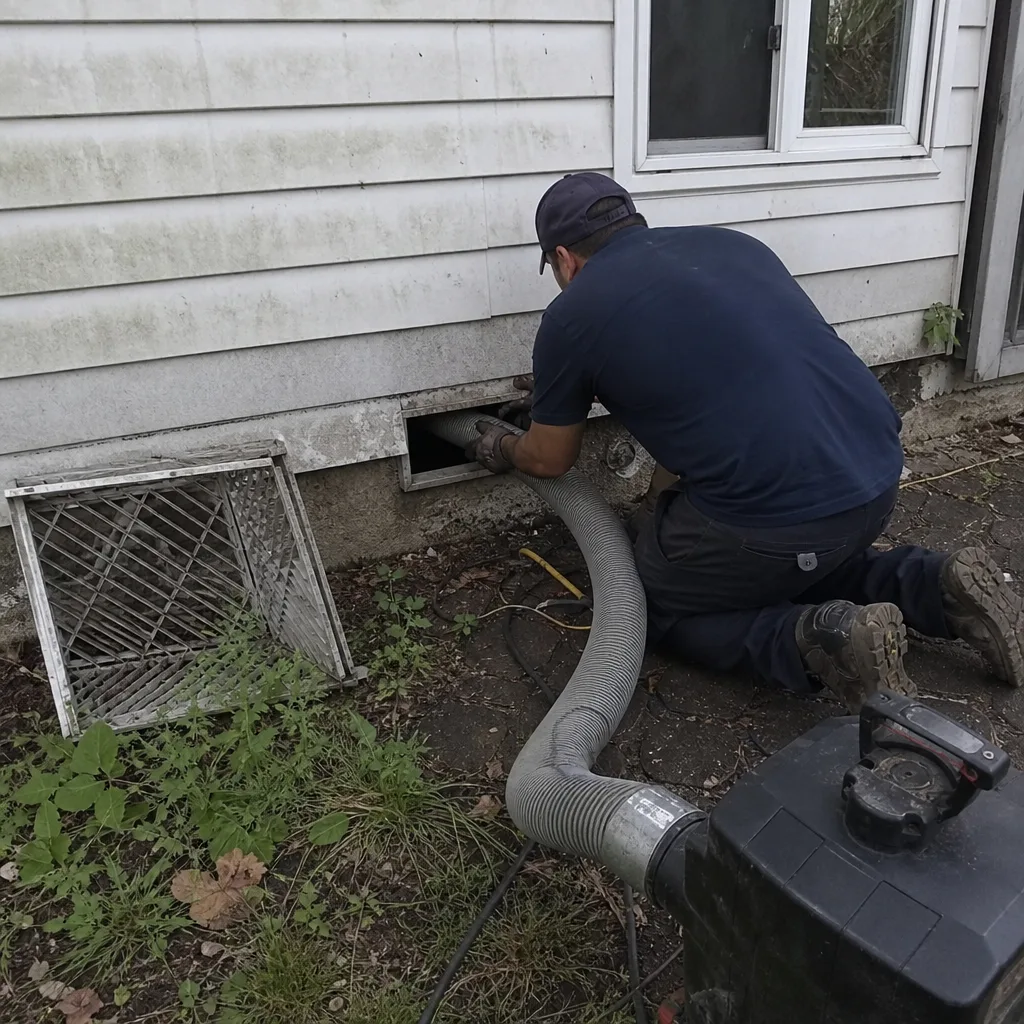 Before
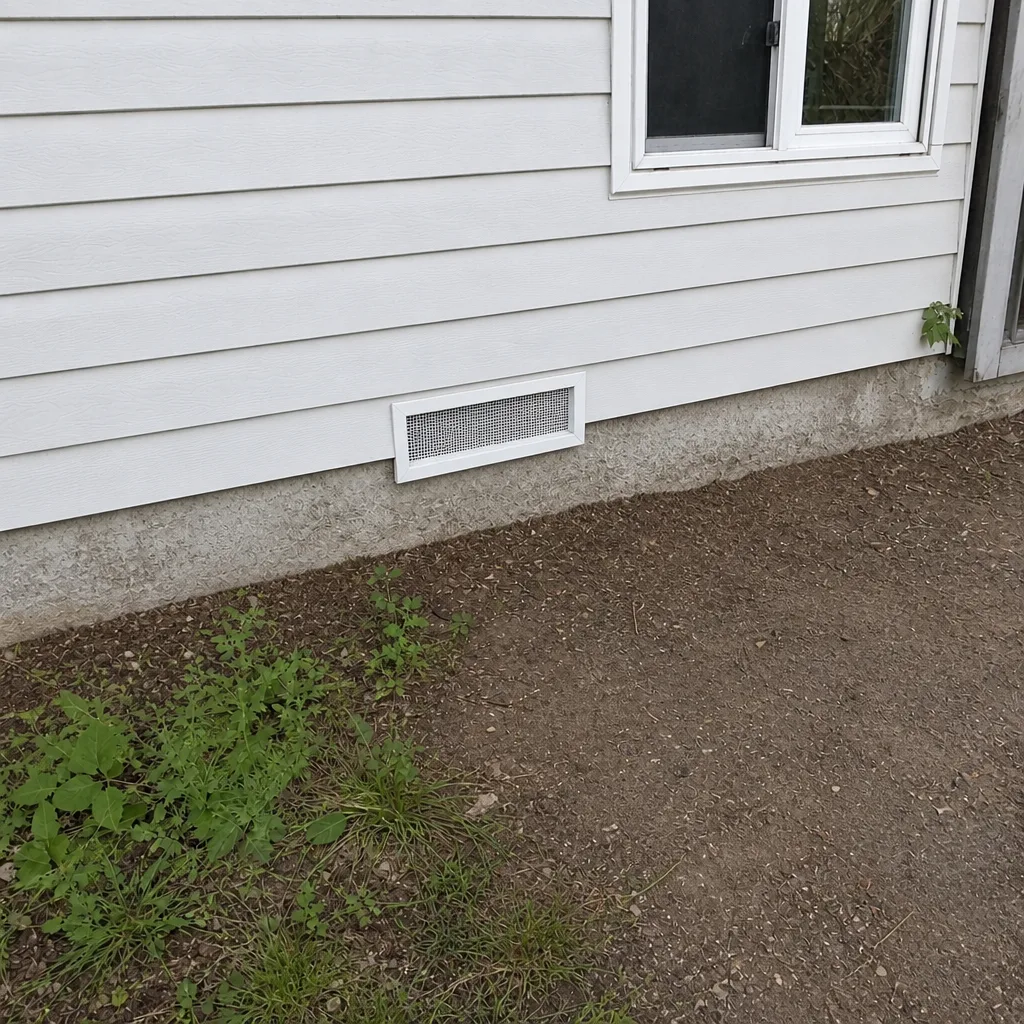 After
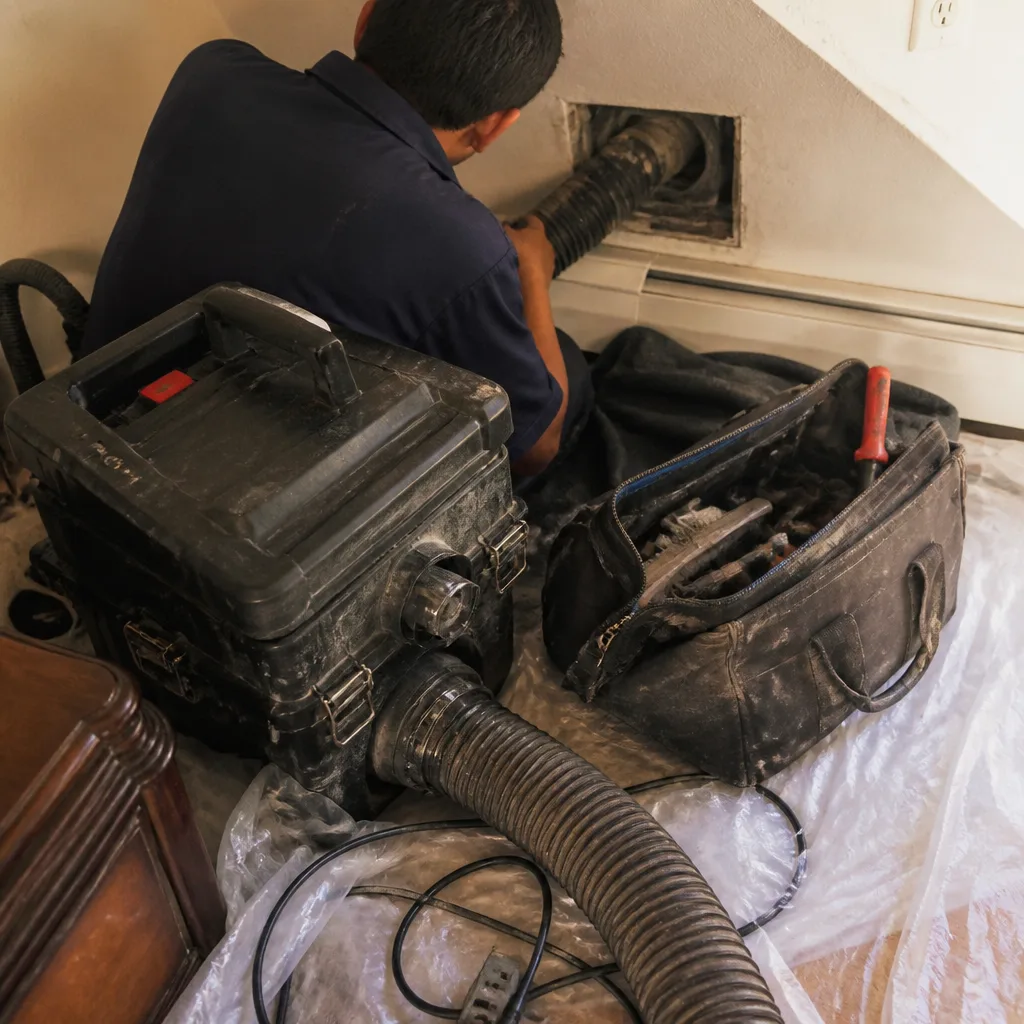 Before
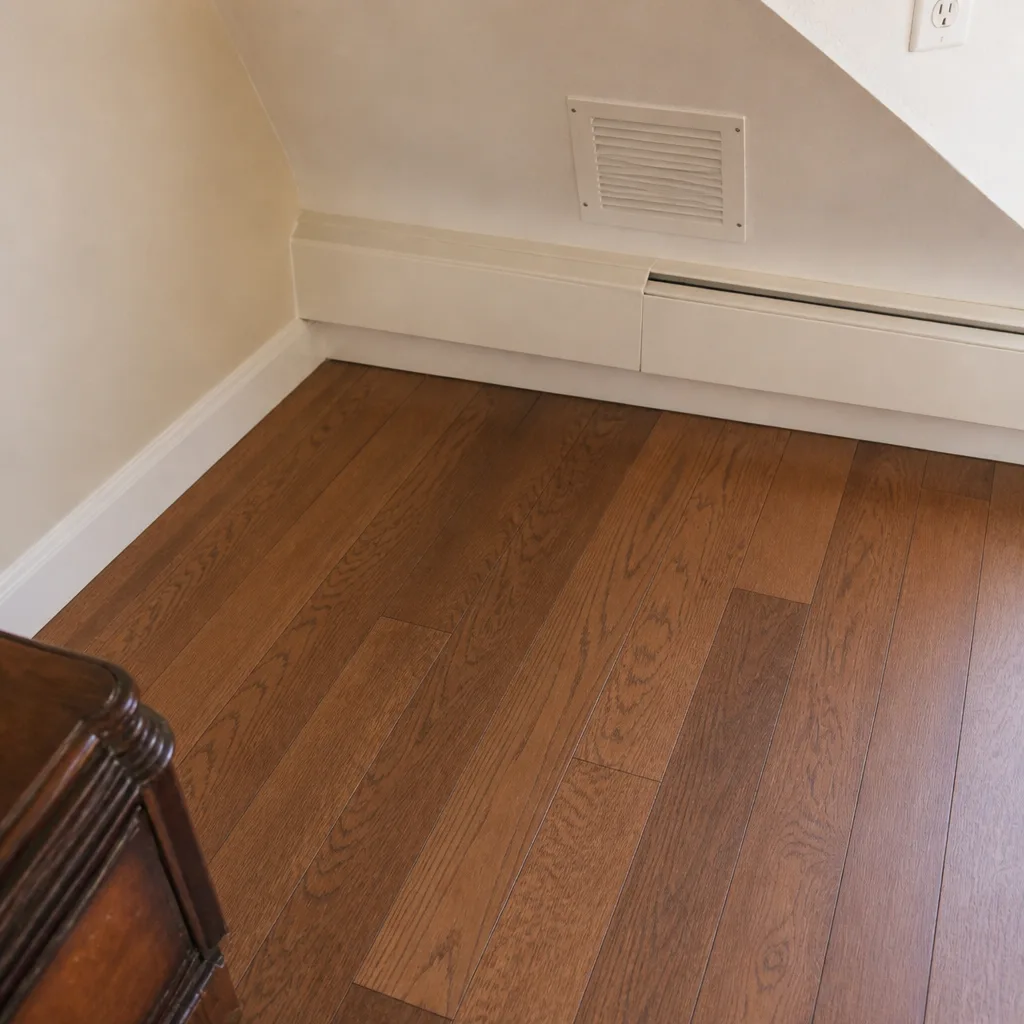 After
 Before
 After
When to Call a Professional
Call a professional the same day for any of these: visible smoke residue inside a vent, water in a ceiling cavity above a duct, a musty smell that appeared after a water event, visible mold near a register, or an HVAC failure that has pushed debris into the living space. Those are emergency-tier calls. Call within the next week for gradually reduced airflow, a persistent dust film on surfaces after cleaning, a dryer taking noticeably longer to dry, or a duct joint that’s visibly loose or disconnected. Call on a scheduled basis (typically every few years for a well-maintained system) for routine cleaning. If any of this is present in your Co-op City home, Air Duct Cleaning Co-op City offers free estimates in Co-op City – call (844) 443-4901. We answer 24/7. Fast dispatch from 7am to 7pm, Sunday through Friday. The assessment is free, and a professional can tell you in a few minutes which category your situation is in.
Frequently Asked Questions
Yes, usually. Even small fires produce combustion particles that settle in ductwork and re-release every time the heating system runs. The urgency comes from the fact that bonded soot becomes harder to remove as it sits, and that odor return is common when the initial response only treats surfaces. Call an air-quality professional within the first few days if the fire was anything more than a scorched pan.
Under sustained moisture and typical indoor temperatures, mold colonization on wet organic material can begin within 48 to 72 hours. That window is the entire argument for treating water intrusion in ducts as urgent. The good news is that if you catch it inside that window, cleaning, sanitizing, and drying is usually straightforward.
It depends on which portion of the duct system was contaminated. Ductwork shared with the building – risers, main trunks, rooftop units – is typically the cooperative’s responsibility, and building management coordinates the response. Ductwork serving only your unit is typically the shareholder’s responsibility. Confirm against your proprioetary lease and co-op bylaws before you spend money on either side. If the point of contamination is a transition between the two, notify management first and get their assessment in writing.
Often yes, if the contamination was caused by a covered event like a fire or a sudden water discharge. Coverage depends on your specific policy. The documentation matters more than the coverage does: timestamped photos, a written scope of work, and before-and-after photos of the duct interiors are the difference between a claim that gets paid and one that gets denied.
Emergency cleaning is triggered by contamination events – fire, water, mechanical failure – and typically includes mechanical contact cleaning with rotary brush systems, HEPA-rated vacuum capture, air-scrubbing, and a separate sanitizing phase. Routine cleaning is scheduled maintenance for accumulated dust. Same equipment, different scope, and the emergency scope costs more because the response takes longer and involves verification steps that routine cleaning doesn’t require.
Ask for before-and-after photos of the duct interiors, not just the vents. A reputable contractor will provide them as part of the service. If a contractor is reluctant, that’s your answer. Unscrupulous cleaners will vacuum one visible vent cover and charge for the whole system – photos of the interiors are the only proof that the mechanical cleaning actually occurred.
It can. The shared risers and mechanical chases mean contamination in one unit can affect neighboring units through the shared system. This is why negative-air equipment matters in Co-op City specifically – containment protects not just the unit being cleaned, but the entire stack. If you’re facing an emergency in a mid-riser or high-rise unit, mention the shared system when you call and the response can be scoped appropriately.
The Bottom Line
A duct emergency is a problem of sequence and speed. In the first hours, the goal is to stop the spread – turn off the HVAC system, ventilate, notify building management. In the first three days, the goal is documentation and professional assessment – photos, timestamps, a written scope, and a cleaning plan that treats sanitizing as a separate phase. In the weeks after, verification matters more than reassurance: if the odor returns, the smoke or the moisture wasn’t fully removed from the system. The Co-op City residents who handle duct emergencies well are the ones who call early, document thoroughly, and treat professional cleaning as a process with a beginning, middle, and end. Clean ducts. Sealed ducts. Tested air. That sequence is what solves an emergency, and it’s the same sequence that keeps a routine cleaning from becoming one. Call (844) 443-4901 for a free estimate. We answer 24/7. Fast dispatch from 7am to 7pm, Sunday through Friday.
Written by the team at Air Duct Cleaning Co-op City.