
Last updated November 25, 2026
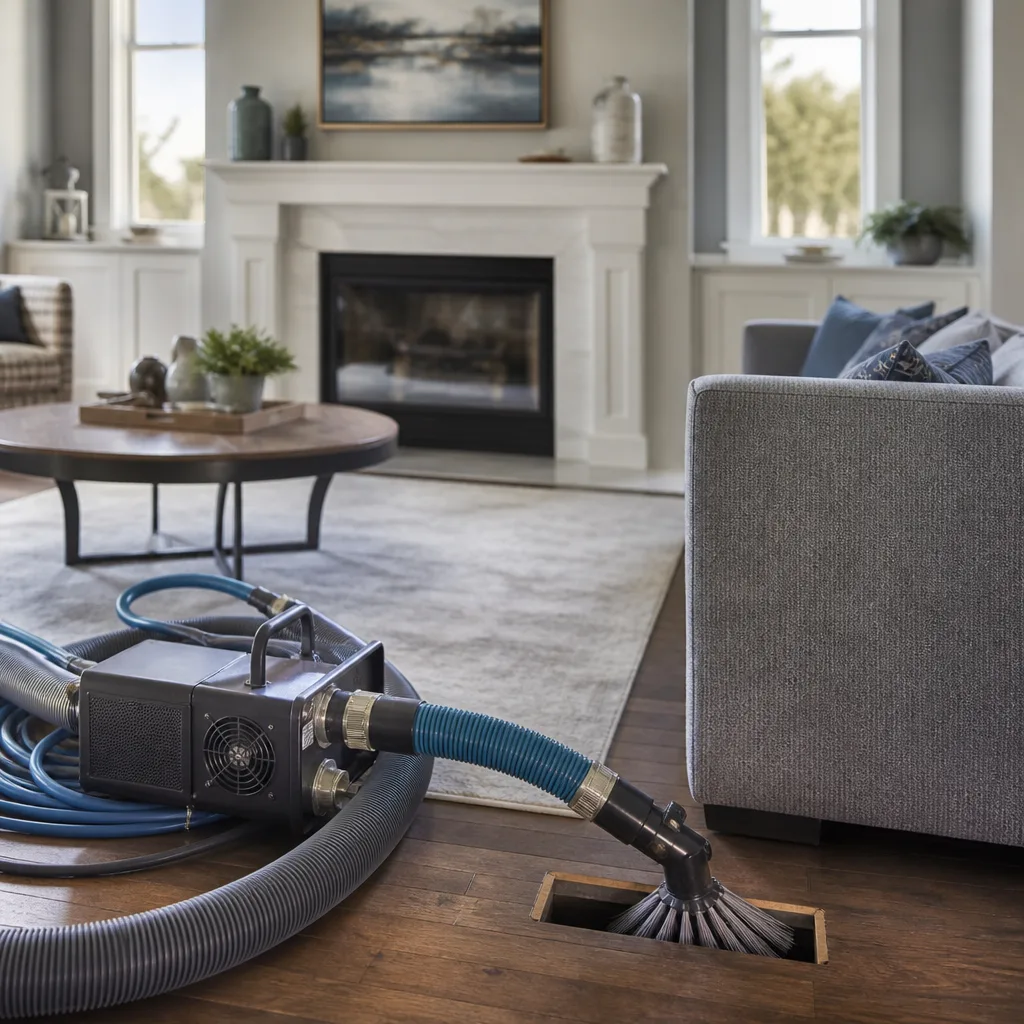 Whole-home duct cleaning
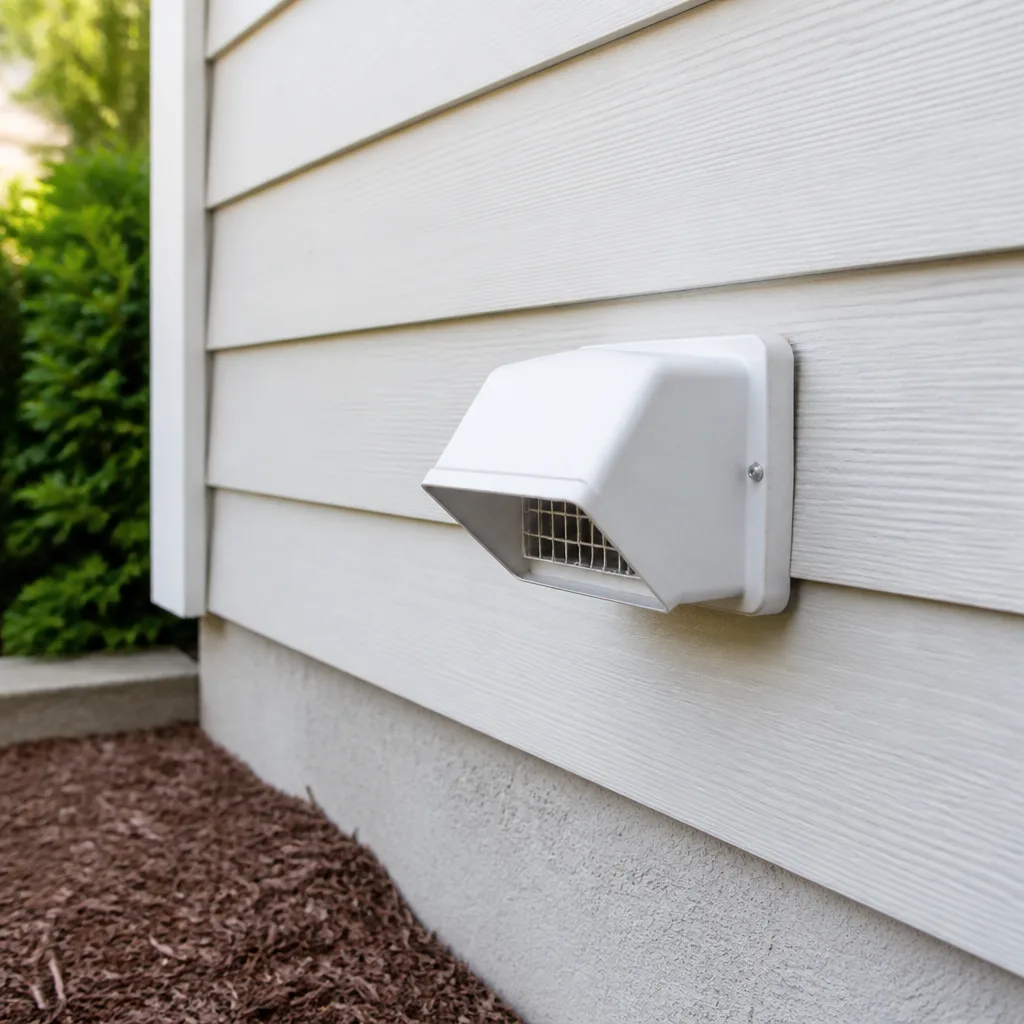 Dryer vent cleaning
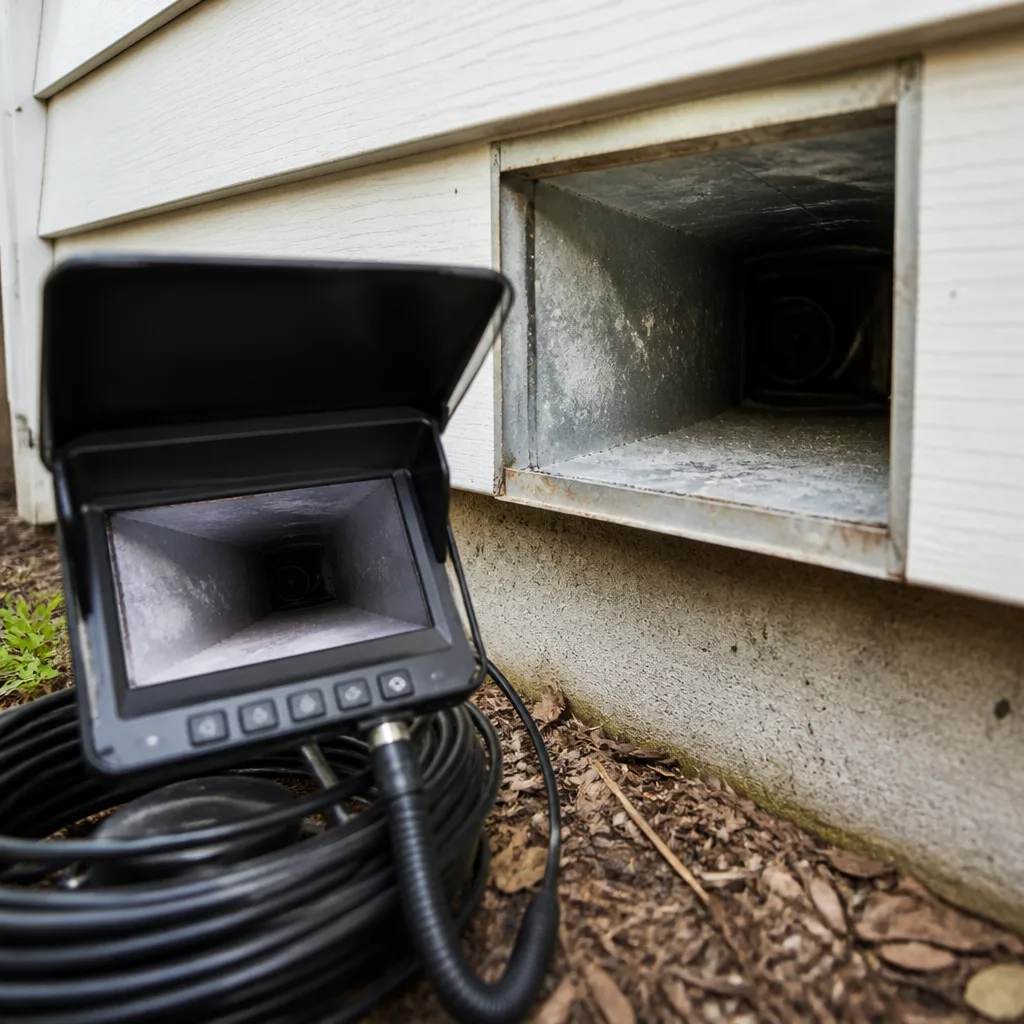 Camera inspection
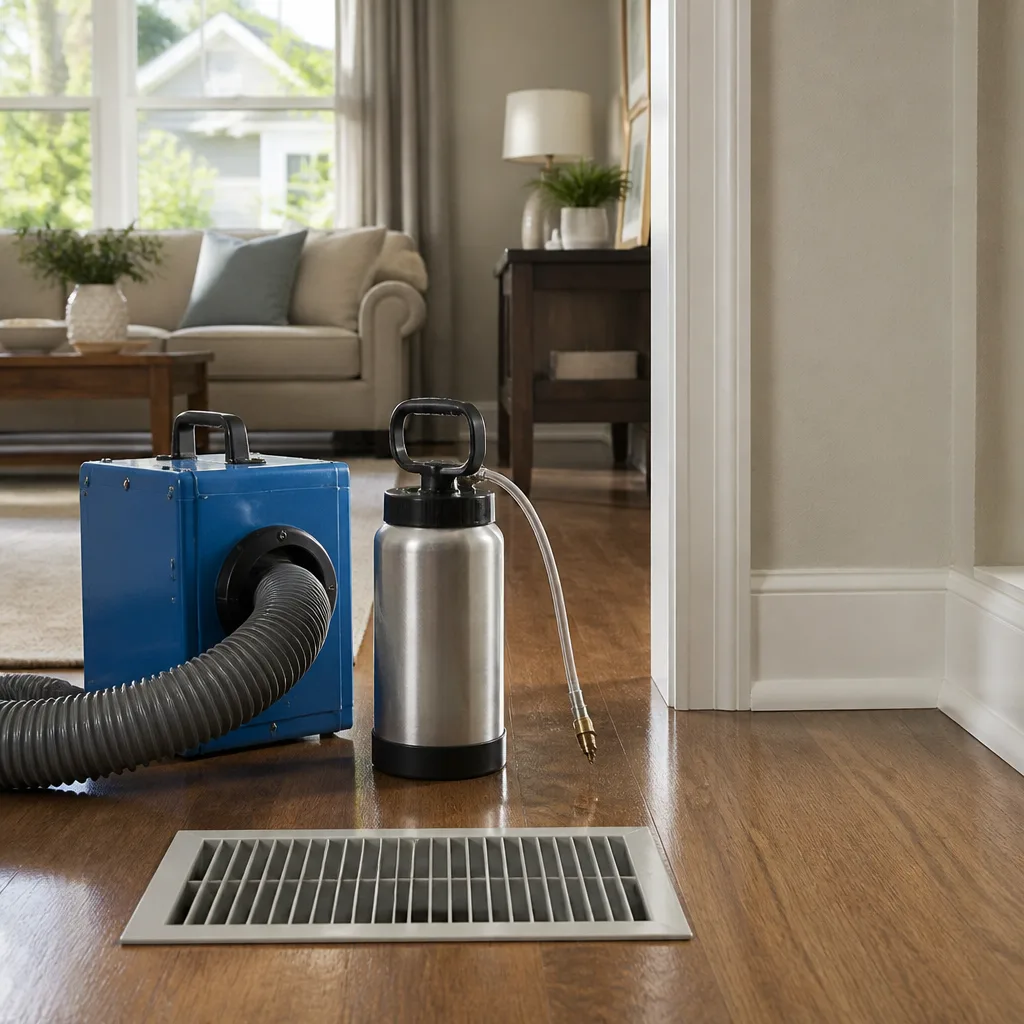 Sanitizing & deodorizing
Whole-system duct and dryer vent check with before-and-after photos - you see exactly what came out of your vents
That "$99 whole-house special" is a bait ad - the real number appears once they are in your hallway, or the "clean" is a shop-vac at the register. We photograph the inside of your ducts before and after instead.
Air Duct Cleaning Maintenance Checklist for Co-op City Homeowners
Here’s the part that catches most residents off guard: your building doesn’t switch from heat to AC based on what the thermometer says outside. Building management sets the changeover on a fixed calendar schedule, which means the ducts in a typical Co-op City apartment sit idle for weeks in air that isn’t moving anywhere. Most maintenance checklists ignore that entirely. They hand you the same “change your filter every three months” line and leave it there, which is fine advice for a house in the suburbs and a poor fit for a high-rise co-op in the Bronx. This guide gives you a month-by-month framework built around the Co-op City heating and cooling switchover, the particulate load of urban Bronx air, and the simple visual checks any resident can do without tools.
Quick Answer
The right maintenance routine for a Co-op City apartment is not a generic quarterly filter change. It’s a calendar driven by your building’s two seasonal switchovers, with filter checks every 30 to 45 days during heavy-use months, a quick visual inspection of supply and return grilles each month, and a professional whole-system cleaning every two to three years (sooner if you have allergies, asthma, or a pet). Track everything in a simple log so you have a record when the board asks or when you sell.
Styles & brands we work with
- Whole-home duct cleaning
- Dryer vent cleaning
- Camera inspection
- Sanitizing & deodorizing
Table of Contents
- Why the Co-op City Switchover Calendar Changes Everything
- The Twelve-Month Checklist for Co-op City Apartments
- Filter Intervals Calibrated for Bronx Urban Air
- Visual Checks You Can Do Without Tools
- When to Escalate to a Professional Cleaning
- Building a Documentation Log for Your Co-op
- Common Mistakes to Avoid
- Frequently Asked Questions
Why the Co-op City Switchover Calendar Changes Everything
In a single-family house, the furnace and the air conditioner share a blower, and the homeowner decides when to flip between them. In a Co-op City cooperative building, the switch happens on a building-wide schedule set by management. Heat comes on and off across the whole stack at once, and the cooling side follows the same pattern later in the season. Between those windows, your ducts are a closed loop carrying nothing.
That idle stretch is the maintenance problem nobody talks about. Standing air in a duct system doesn’t clear itself out. Whatever settled on the interior walls during heating season stays there through the shoulder weeks, picking up moisture from cooking, showers, and laundry, and then gets pushed back into your rooms the first time the system runs again. If the ducts had a light dust film when the heat shut off, that film has had a month to become something your system will distribute.
There’s a second piece: Bronx urban air. Co-op City sits beside major roadways and rail lines, which means the outdoor air feeding your building’s intakes carries fine particulate from traffic and diesel exhaust year-round. That load is higher and more consistent than what a suburban house pulls in through a yard-facing intake. Your filters see it, and your ducts accumulate it.
What that means in practice:
- Dust accumulates during the off-season, not just while the system runs, because air movement stops but new particulate keeps entering through returns and gaps.
- The first week after each switchover is the highest-exposure window of the year, because settled debris gets disturbed all at once.
- The two switchovers are natural maintenance deadlines built into your building’s calendar; you don’t have to invent them.
- Idle ducts in humid interior air are where odor problems start, and odor is often the first sign a cleaning is due.
Write those two switchover dates on your calendar now. Everything below is timed around them.
The Twelve-Month Checklist for Co-op City Apartments
This is the framework itself. Treat the months as labels on the seasons rather than rigid dates; your building’s actual changeover may shift by a few weeks, and the checklist should move with it. What matters is that each action lands before the event it protects against, not after.
- Two to three weeks before the heat switchover (late summer): Replace or clean the filter, walk every supply and return grille for dust buildup, and note any odor. If it’s been more than two years since a professional cleaning, book one now so it happens before the system starts pushing warm air.
- First week of heat (early fall): Check the filter again after seven days, because the first running week disturbs settled debris and loads the media fast. Listen at each grille for rattles or whistling.
- Mid-heating season (winter): Inspect the filter every 30 to 45 days. Feel airflow at the farthest supply from the unit; if it’s noticeably weaker than the nearest one, that’s a restricted return or a duct problem, not just a dirty filter.
- Two to three weeks before the cooling switchover (spring): Repeat the pre-season routine. This is also the right moment for dryer vent cleaning if you have an in-unit or building dryer connection, since lint accumulates through winter laundry loads.
- First week of cooling (early summer): Filter check after seven days. Grille cleaning, because cooling season runs a colder coil and any dust on the evaporator or in the ducts can condense moisture and start a musty smell.
- Mid-cooling season (summer): Filter inspection every 30 days in an apartment with a pet or an allergy sufferer, every 45 days otherwise. Visual check of grilles for discoloration.
- Every month, all year: A two-minute walk-through of every vent in the apartment. Look, smell, listen. Note anything odd in your log.
- Every two to three years: Professional whole-system cleaning, timed to land in the shoulder season so it happens between switchovers rather than during peak load.
Air Duct Cleaning Co-op City works this calendar with residents regularly, and the pattern is consistent: the apartments that stay comfortable are the ones where the maintenance runs ahead of the switchover, not behind it. Cleaning the system in the middle of heating season works, but you’re cleaning it while it’s actively redistributing what you’re trying to remove.
Filter Intervals Calibrated for Bronx Urban Air
The standard advice of “every three months” comes from suburban benchmarks where outdoor particulate is lower and the filter isn’t working as hard. For a Co-op City apartment, that interval is too long during peak heating and cooling.
Here’s how we’d set it:
- Heating season and cooling season: Inspect every 30 to 45 days, replace when the media is visibly grey or matted.
- Shoulder months while the system is idle: One check at the start and one at the end is enough, since there’s little airflow moving dust into the filter.
- Households with a pet: Inspect every 30 days year-round. Pet dander loads filter media faster than outdoor dust does.
- Households with an allergy or asthma sufferer: Same 30-day cadence, and consider a higher-MERV filter rated for fine particulate, provided your system’s blower can handle the added resistance.
- Apartments facing the expressway or the rail line: Treat these as high-particulate units. Inspect on the 30-day schedule during both active seasons.
Two things worth knowing about filter selection. First, a filter isn’t automatically better because it’s denser: a high-MERV media on a system not designed for it will restrict airflow, and restricted airflow is worse for your air quality than a slightly less efficient filter that moves freely. Ask before you upgrade. Second, the filter is the front line of a whole-system job. If you already run an Aprilaire or Honeywell cabinet filter, you have a better platform than a standard return grille, and it’s worth knowing which replacement media fits it correctly rather than trimming something to fit.
The larger point: filters catch what reaches them. They do nothing about what’s already settled in the ducts and on the blower wheel. That’s a separate job, handled below.
Visual Checks You Can Do Without Tools
You don’t need equipment to catch the early signs. A flashlight and five minutes a month will do it.
What discoloration tells you
Pull the grille cover and look at the interior wall of the duct where you can see it. Light grey dust is normal and expected. Dark grey, brownish, or blackish buildup, or any streaking that runs along the duct wall in lines rather than sitting evenly, suggests the debris has been there long enough to build up beyond routine. Streaking is often the mark of condensation catching dust as it passes, which is worth investigating, not just cleaning.
What odor tells you
A musty or damp smell from a supply vent when the system comes on is a moisture signal. Because most Co-op City buildings share a large rooftop or central mechanical arrangement, some of that odor can travel from common areas rather than your own ductwork, so note which vents smell and when. If the smell appears only in one room’s vents, the problem is likely local to that branch. If it’s everywhere at once, it’s the main trunk or the shared system, and you should mention it to building management.
What restricted airflow tells you
Hold your hand near each supply vent while the system runs. The flow should feel similar vent to vent. A noticeably weak vent usually means one of three things: a closed damper, a disconnected or crushed flex duct behind the wall, or heavy buildup in that branch. A vent that is weak while every other vent is strong points straight at the branch.
A quick monthly routine
- Flashlight along each grille’s interior.
- Nose at each grille with the system running.
- Hand at each grille to compare airflow.
- Ear at each grille for rattles, whistles, or a scraping sound.
- Write the date and what you saw in your log.
What you’re building is a baseline. Once you know how your apartment normally behaves, a change is obvious rather than something you notice three seasons later.
When to Escalate to a Professional Cleaning
Self-maintenance has a limit, and it’s reached when the problem is inside the ductwork rather than on the grille. Escalate to a professional when:
- More than two years have passed since the last whole-system cleaning, and especially if there’s no record of one ever being done.
- You have visible buildup past the grille running back along the duct wall rather than just on the face.
- Airflow is uneven across vents and a filter change didn’t fix it.
- There’s a persistent odor from one or more vents, especially a damp one.
- Someone in the household has ongoing respiratory symptoms that a filter change hasn’t touched.
- You’re renovating and drywall dust has been pulled through the returns.
When you escalate, the job should be a mechanical clean with source capture, not a blower and a promise. In our experience, a proper whole-system clean starts with a Rotobrush rotary-brush system to agitate debris off the duct walls, uses a Nikro HEPA-rated vacuum to capture that debris at the source rather than recirculating it into your rooms, and finishes with the option of Guardsman antimicrobial sanitizing as a distinct step. If the ducts have gaps, disconnected joints, or crushed branches, that’s the moment to handle air duct cleaning and sealing together rather than twice. Separating cleaning from sanitizing, and cleaning from repair, is exactly where a lot of low-cost work cuts corners, and it’s why the results don’t hold.
Building a Documentation Log for Your Co-op
A log is a small habit with real value in a cooperative building. It answers the board’s questions without guesswork, it protects you at resale, and it tells a future professional exactly what’s been done and when.
What to track:
- Date of every filter change, grille cleaning, and professional service.
- Filter size and MERV rating you installed. Note the part number if it’s an Aprilaire or Honeywell media cabinet.
- Visual observation for each monthly check: dust level, odor, airflow quality, any unusual sound.
- Professional service details: what equipment was used (Rotobrush, Nikro, Abatement Technologies), whether sealing was done, whether sanitizing was done.
- Before-and-after photos from every professional cleaning. Do not accept a cleaning that doesn’t document itself visually.
- Any complaint or request to building management about shared-system issues, with dates.
Three practical notes. Keep the log where the system is, not in a drawer you can’t find when someone asks. Photograph it occasionally in case the paper version goes missing. And when you list the apartment, include the log with the listing documents; a buyer reading a two-year record of maintenance feels better about the building than one told “it was just cleaned recently.”
The same log format carries over to hvac cleaning records if your building’s maintenance staff wants visibility into unit-level work, and it works for dryer vent cleaning too, which is a fire-safety service rather than an airflow tune-up and deserves its own dated entry.
Common Mistakes to Avoid
- Running the quarterly filter on autopilot. In Co-op City’s urban particulate load, 90 days is too long during peak heating and cooling. Inspect monthly and replace on condition, not on the calendar alone.
- Cleaning the grille and calling it a cleaning. Wiping the vent cover does nothing about what’s inside the duct. If that’s the whole maintenance routine, the buildup on the duct walls is untouched.
- Skipping the pre-switchover window. Cleaning after the system has started running means you’re cleaning while debris is being redistributed. Do the work two to three weeks before the switch, not two to three weeks after.
- Ignoring a one-room airflow problem. A single weak vent usually means a disconnected, crushed, or blocked branch. Left alone, that branch either stays dead or pushes air out into a wall cavity and back into the apartment through unintended gaps.
- Accepts a price per vent with no defined scope. A per-vent quote tells you nothing about whether the main trunk, blower, and coil get cleaned. Ask for a fixed price for the whole system, with a written scope, before any work begins.
- No documentation. A cleaning with no photos and no written record is impossible to verify later and impossible to hand to a future owner. Request before-and-after images, every time.
- Assumes the dryer vent is fine because the dryer still works. A dryer that still dries is not proof its vent is clear. Lint accumulates in the run regardless of air-side performance, and the vent cleaning is a fire-risk measure, not an airflow tweak. For residents of a cooperative building where vent routing may run through shared walls and shafts, that’s worth scheduling rather than deferring indefinitely.
See the difference
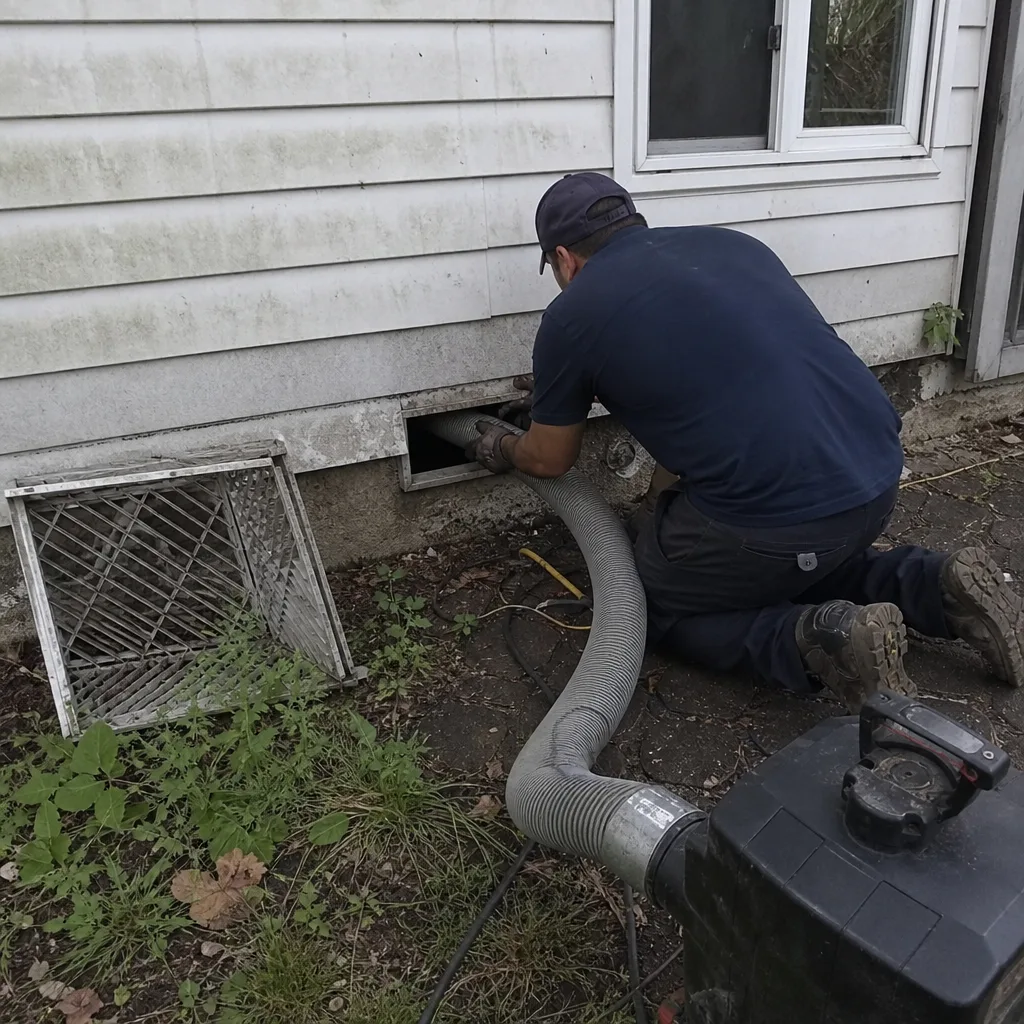 Before
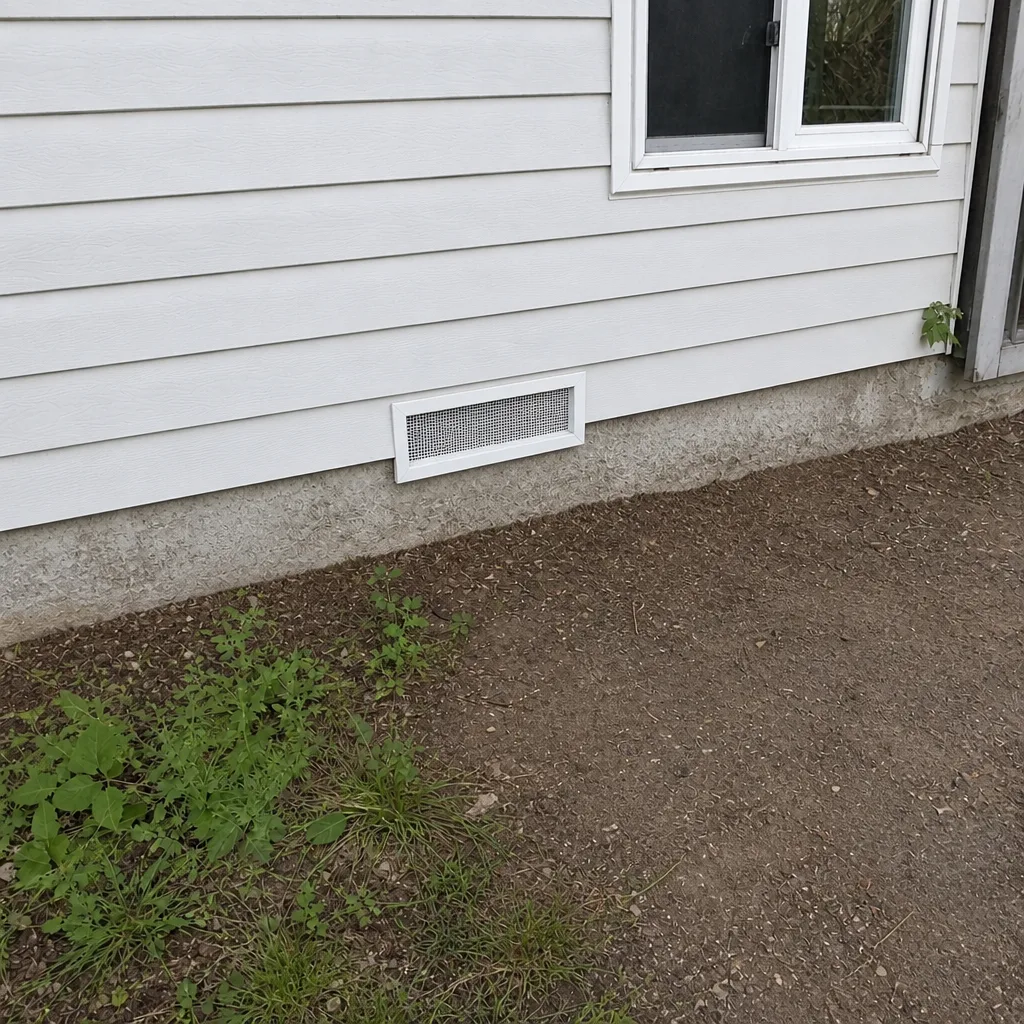 After
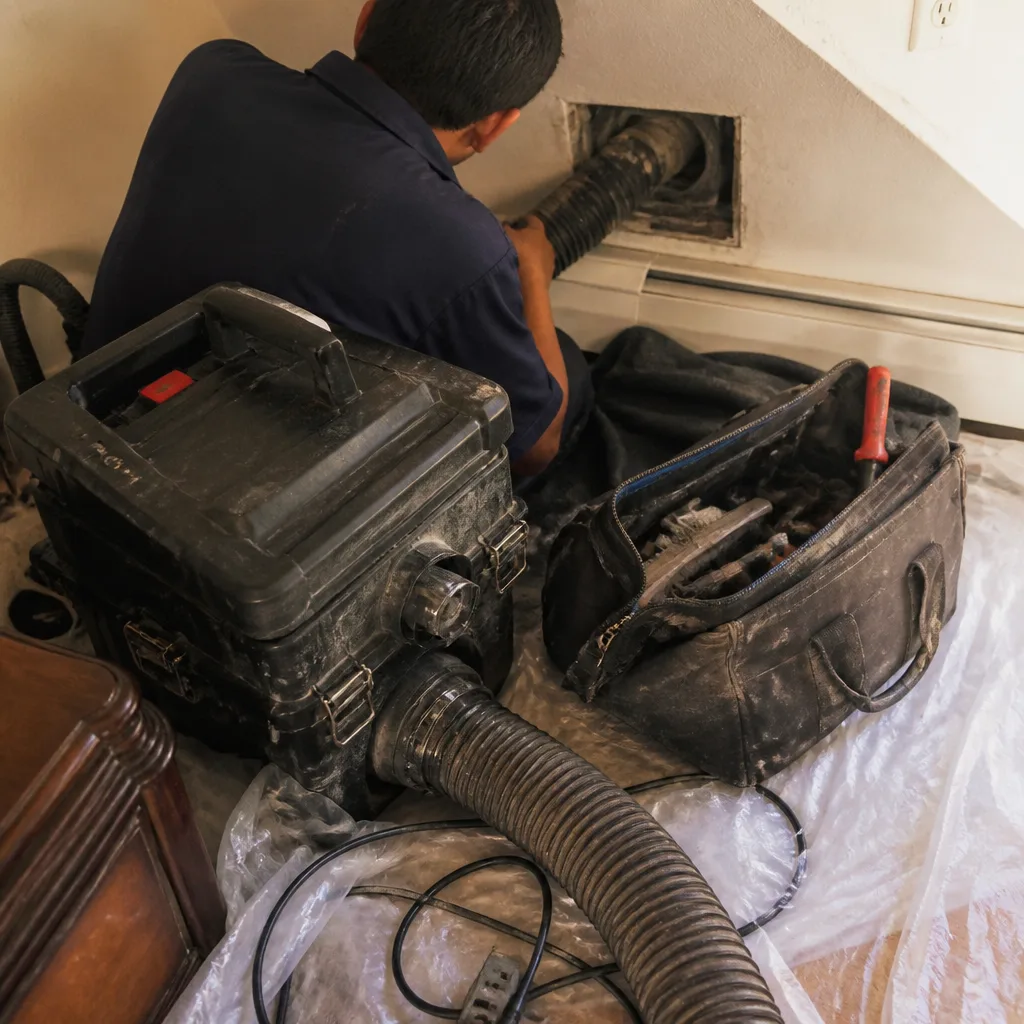 Before
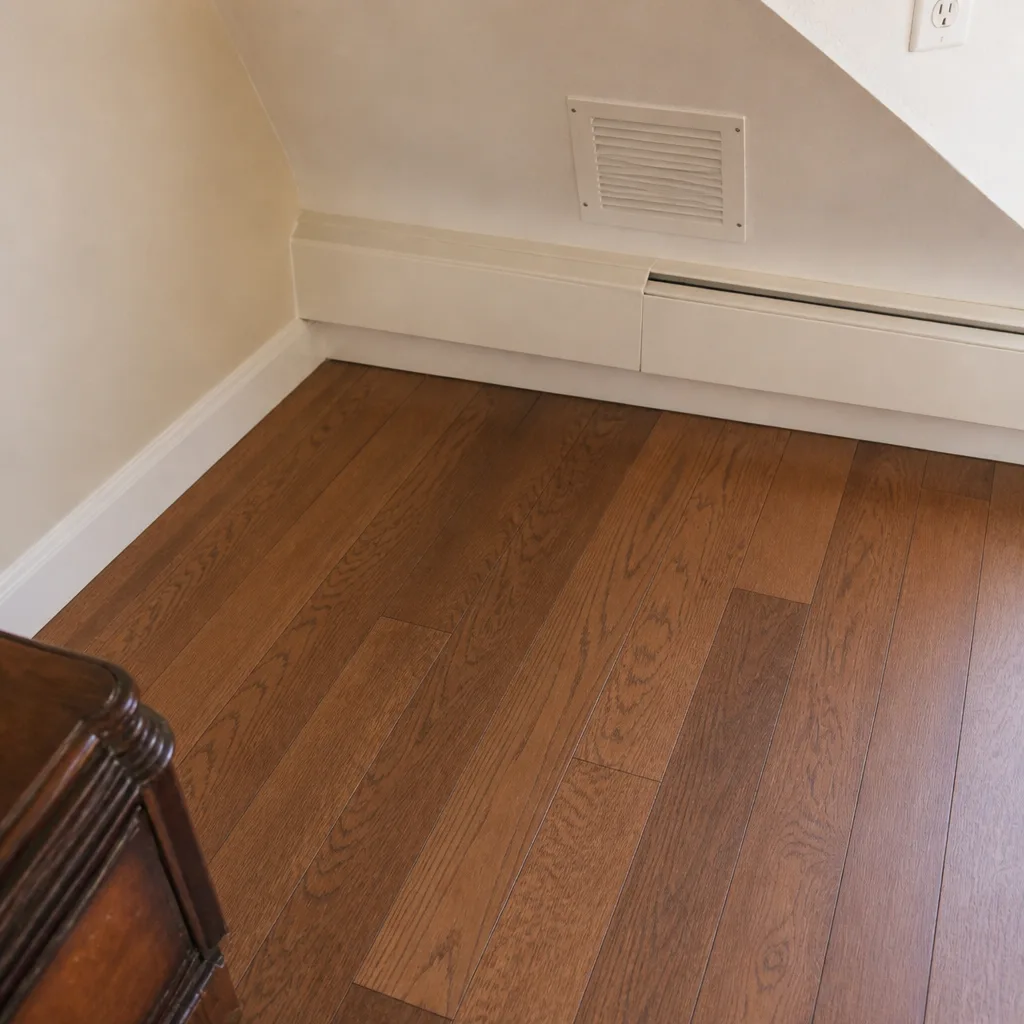 After
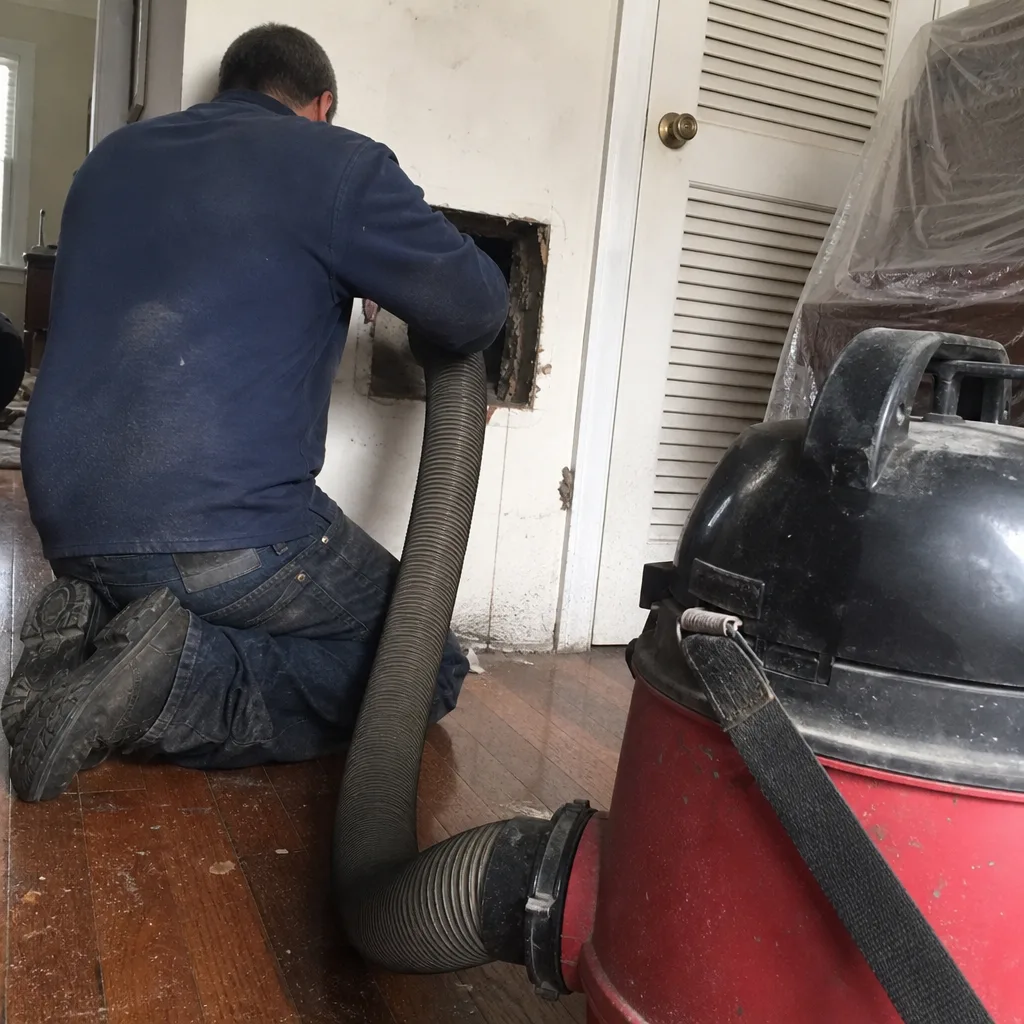 Before
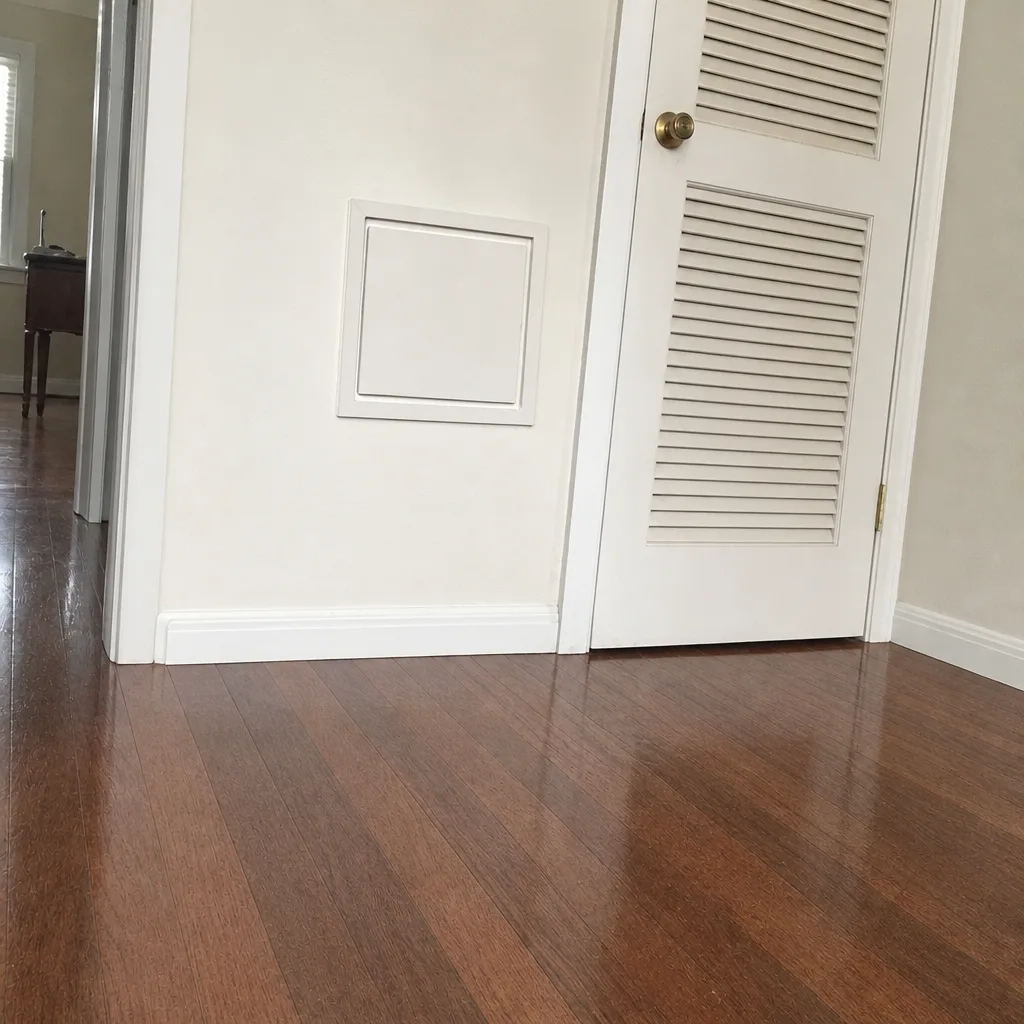 After
When to Call a Professional
Call when your log says two or more years since the last cleaning, when you’re seeing buildup behind the grille, when you smell something damp coming from a supply vent, or when airflow has become uneven and a fresh filter didn’t change it. Call before a switchover rather than after, so the system runs its busiest weeks on clean ducts instead of pushing settled debris through the rooms. Call before a renovation if you’re moving walls or ceiling in a way that will send dust into the returns. And call if you’ve had low-cost duct work in the past and you’re not sure what was actually done.
Air Duct Cleaning Co-op City offers free estimates in Co-op City – call (844) 443-4901. We answer 24/7, and fast dispatch from 7am to 7pm handles the scheduling. Estimates are free, the price is set per job by the written estimate, and you’ll know the scope before any work starts: one fixed price per system, before-and-after photos of your own ducts, and a satisfaction guarantee on the work.
Frequently Asked Questions
Every two to three years is the usual range for a Co-op City apartment, sooner if someone in the household has asthma or allergies, if there’s a pet, or if the unit sits close to the expressway and rail corridors. Clean before each seasonal switchover rather than after. Call (844) 443-4901 for an exact timeline based on your building and your log – estimates are free.
Yes, directly. Because building management sets the heat-to-AC switch on a fixed schedule rather than following outdoor temperature, your ducts spend several weeks each spring and fall idle with no airflow, during which time settled debris and moisture sit in the ductwork. Timing a cleaning to land 2 to 3 weeks before each switch is the single highest-value habit for a cooperative apartment.
For a typical apartment, professional whole-system cleaning is a per-job price rather than a per-vent rate, and the written estimate sets the final number. That structure is deliberate: a per-vent quote is the setup for a low teaser that grows once the technician is on site. Ask for a fixed price for the full system, including trunk, blower, and coil scope, and ask what documentation comes with it. Call (844) 443-4901 for an exact quote – estimates are free.
Because the scope is smaller. A low quote is usually grille-only, uses a shop vacuum rather than a HEPA-rated capture system, doesn’t include the blower or coil, and treats sanitizing as either skipped or magically included. Mechanical agitation with source capture is the part that takes time and real equipment, so it’s the part a bargain quote leaves out. Ask what equipment is used and whether before-and-after photos are included. If the answer is vague, the quote is telling you something.
Ask for before-and-after photos of your own ducts, taken during the service, plus a written scope and a dated record you can keep. A professional job documents itself. If the technician resists showing you the work, that’s your answer. At scheduling time, ask what you’ll receive at completion. Call (844) 443-4901 to book an estimate.
Cleaning removes accumulated debris mechanically; sanitizing addresses microbial contamination on the duct surfaces after that debris is gone. They’re separate phases of the same job, and doing one without the other leaves half the problem in place. We offer Guardsman antimicrobial sanitizing as a distinct service step you can see and price on its own rather than folded invisibly into a base rate.
No, for the inside of the ductwork. A home vacuum’s filtration isn’t designed to capture fine particulate at volume, and without mechanical agitation it can’t loosen what’s bonded to the duct walls. Grille cleaning, filter changes, and monthly visual checks are genuinely DIY-friendly. Any work inside the ducts, at the blower, or at the coil should be handled by a professional with the right equipment.
The Bottom Line
Your building’s fixed switchover calendar sets the maintenance rhythm for your apartment whether you plan for it or not. Work with it: filter inspection on a 30- to 45-day cadence during active seasons rather than starting from a suburban quarterly benchmark, monthly visual and airflow checks at every grille, professional whole-system cleaning every two to three years scheduled 2 to 3 weeks before each switchover, and a dated log with before-and-after photos for every service. That routine protects your indoor air, answers the board’s questions, and gives you documentation when you sell. It also turns “the ducts need cleaning” into a planned cost on your calendar instead of a surprise.
Written by the team at Air Duct Cleaning Co-op City.